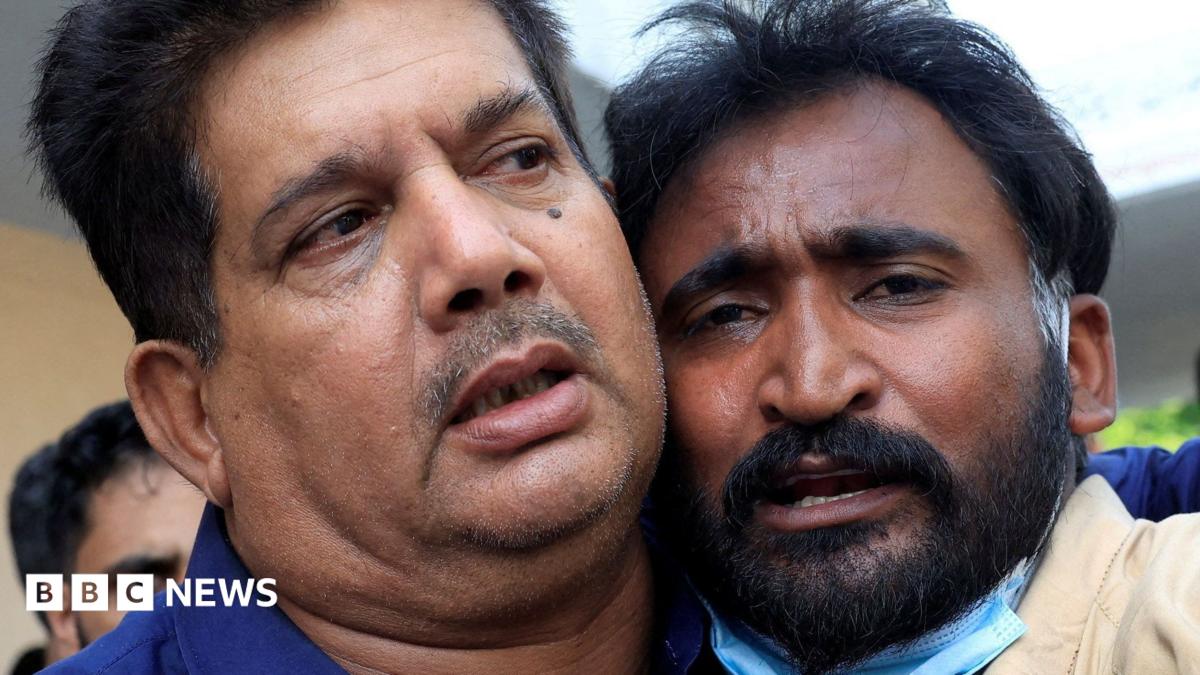
A catastrophic flash flood has struck Nepal, claiming at least 22 lives and leaving hundreds of people missing. The disaster has caused widespread devastation, particularly along the Nepal-China border.
- At least 22 fatalities have been confirmed following massive flash floods in Nepal.
- Hundreds of people remain missing, prompting large-scale search operations.
- The disaster has caused catastrophic damage near the Nepal-China border regions.
Nepal is reeling from a catastrophic flash flood that has claimed at least 22 lives and left hundreds of people missing. The sudden surge of water, described by witnesses as happening in mere seconds, has caused unprecedented destruction across several districts, particularly in high-altitude regions near the Nepal-China border.
Footage emerging from the affected areas shows scenes of absolute devastation, with entire landscapes altered by the rushing torrents of mud and debris. The scale of the disaster has raised immediate fears regarding the safety of tourists who were traveling through these scenic but volatile mountainous corridors. The search for the missing continues under extremely difficult conditions.
Why This Matters
BozokMedia analysis shows that the increasing frequency of such extreme weather events in the Himalayan region is a direct consequence of global climate shifts. For Nepal, these sudden-onset disasters pose a dual threat: an immediate humanitarian crisis and a long-term economic blow to its vital tourism sector.
The intensity of these flash floods highlights the growing vulnerability of mountain ecosystems to rapid climatic changes.
In a significant gesture of regional cooperation, the Indian Air Force (IAF) has offered assistance for relief operations. An Indian C-130 jet is reportedly prepared to depart for Nepal to deliver essential supplies and support rescue efforts. Local authorities and international aid organizations are currently struggling against terrain-related obstacles to reach isolated communities.
Historical Background
Nepal has long been susceptible to monsoon-related disasters and landslides. However, the combination of melting glaciers and intensified monsoon patterns has led to more frequent and violent flash floods in recent years, making traditional disaster management strategies even more critical.
Frequently Asked Questions
Question 1: What is the current status of the rescue operations?
Answer: Rescue operations are underway, but heavy debris and difficult terrain are significantly slowing down the search for missing persons.
Question 2: Is international aid being provided?
Answer: Yes, neighboring countries like India have offered military and logistical support to assist in the relief efforts.