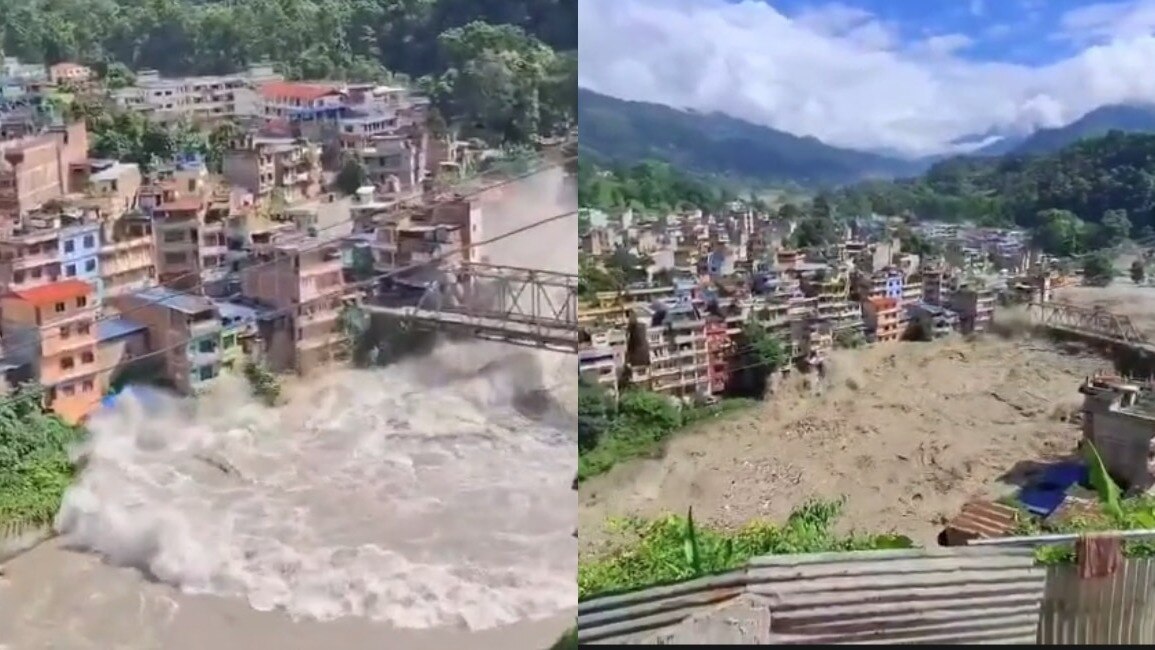
Catastrophic flooding in Nepal has claimed 157 lives and left nearly 800 people missing. As river levels rise, authorities in India's Uttar Pradesh and Bihar have been placed on high alert.
- Death toll in Nepal floods has reached 157.
- Approximately 800 people remain missing in various regions.
- High alert issued in Uttar Pradesh and Bihar, India.
- World Bank pledges 25 billion rupees for relief and reconstruction.
Nepal is grappling with a massive humanitarian crisis as relentless rains trigger devastating floods and landslides across the country. According to the latest updates, the death toll has climbed to 157, while an alarming 800 people are reported missing, sparking intense search and rescue operations in difficult terrain.
The Gandak River has seen a significant rise in water levels, prompting local administrations to issue emergency evacuation orders. Residents in low-lying areas are being urged to move to higher ground immediately to avoid the rising deluge.
Why This Matters
BozokMedia analysis shows that the hydrological connection between Nepal and India makes this a transboundary crisis. The surge in Nepalese rivers directly impacts the flood plains of India's Uttar Pradesh and Bihar. Consequently, Indian authorities have activated emergency protocols and issued high alerts to manage potential inundation in border districts.
The scale of displacement and loss of life in Nepal underscores the urgent need for enhanced transboundary disaster management systems in South Asia.
In a significant move for international aid, the World Bank has committed 25 billion rupees to support Nepal's recovery efforts. This financial infusion is expected to aid in rebuilding destroyed infrastructure and providing immediate relief to displaced families.
Regarding regional connectivity, the Delhi-Kathmandu bus service continues to operate for now. However, the Delhi Transport Corporation (DTC) is monitoring the situation closely and has indicated that services may be suspended if the weather and river conditions deteriorate further.
Historical Background
Nepal's mountainous geography makes it exceptionally vulnerable to monsoon-induced disasters. The country has a history of devastating flash floods and landslides, which are increasingly becoming more frequent and intense due to shifting global climate patterns.
Frequently Asked Questions
1. What is the current death toll in Nepal?
As of the latest reports, 157 people have lost their lives due to the floods and landslides.
2. How does this affect India?
The rising water levels in Nepalese rivers pose a direct flood threat to the Indian states of Uttar Pradesh and Bihar.