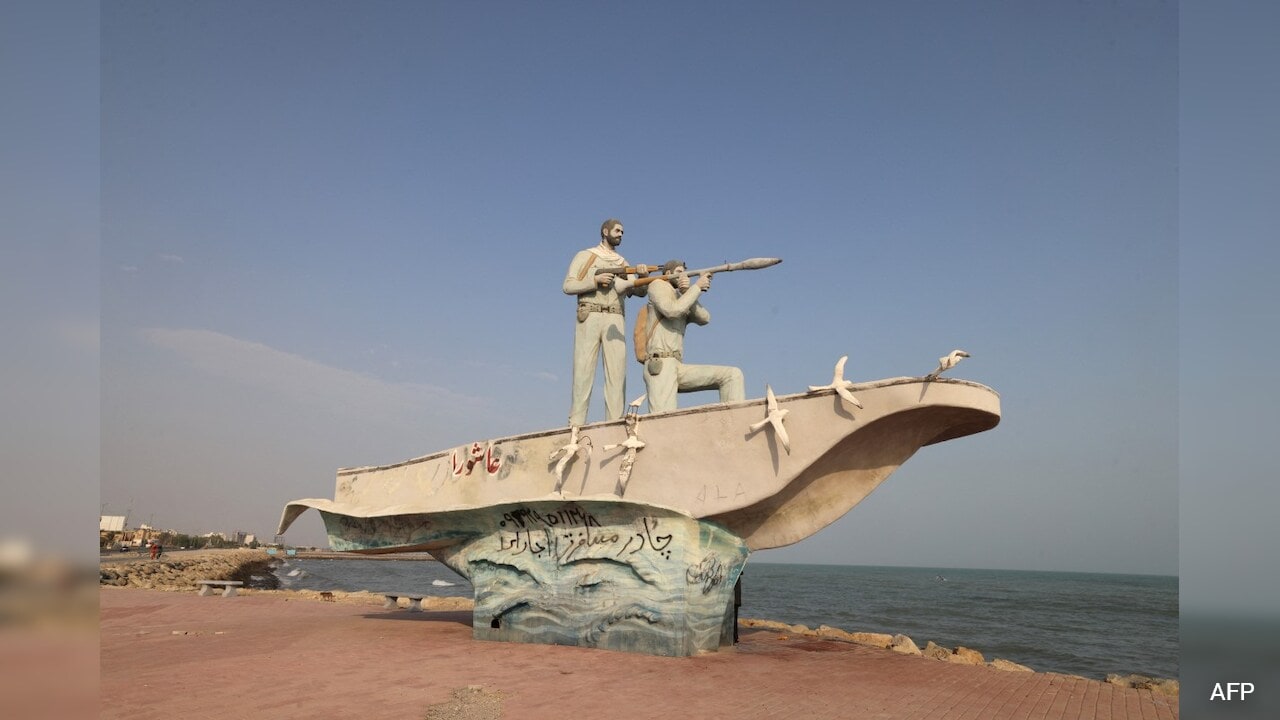
Addressing the UN Security Council, India's Permanent Representative Ambassador Harish Parvathaneni emphasized that securing maritime trade routes is vital to prevent global food insecurity caused by regional conflicts. India called for the protection of sea lanes to ensure the movement of food, fuel, and fertilizers.
- India called for collective international action to protect critical maritime trade routes.
- Ambassador Harish Parvathaneni highlighted that conflict-driven disruptions have global ripple effects on food and energy.
- The UN reported record-high global acute hunger, with 266 million people affected in 2025.
In a decisive address to the United Nations Security Council (UNSC) during a high-level debate titled 'Food Under Fire,' India has underscored the critical link between maritime security and global stability. Ambassador Harish Parvathaneni, India's Permanent Representative to the UN, warned that modern conflicts generate devastating ripple effects that extend far beyond the immediate battlefields, primarily manifesting as global food insecurity.
Why This Matters
BozokMedia analysis shows that the weaponization of trade routes and the disruption of maritime logistics are no longer just regional issues but systemic threats to the global economy. As developing nations remain highly import-dependent for essential commodities, any instability in sea lanes directly translates to hunger and economic coercion in the Global South.
Secure and predictable maritime trade routes are indispensable for the uninterrupted movement of food, fertilisers, fuel and other essential commodities.
India emphasized that the UNSC's immediate priority must be mitigating the humanitarian consequences of war. This includes facilitating rapid, unimpeded humanitarian access and ensuring that sanctions regimes do not inadvertently block legitimate agricultural trade. India's stance highlights the need for a rules-based international order that protects commercial shipping from geopolitical volatility.
A Global Crisis: Famines and Conflict
The gravity of the situation was echoed by UN Secretary-General Antonio Guterres, who noted that 2025 has been a year of unprecedented hardship. With the highest number of armed conflicts since World War II, the world is also witnessing record levels of acute hunger. Guterres pointed to the "shameful milestone" of simultaneous famines being confirmed in Sudan and Gaza.
The geopolitical tension in the Strait of Hormuz and the Red Sea serves as a stark reminder of this vulnerability. The Strait of Hormuz alone handles approximately one-fifth of the world's oil supplies and a third of the global fertilizer trade, making it a critical chokepoint for global survival.
Strategic Recommendations by India
To combat these challenges, India proposed a multi-faceted approach. This involves using the technical expertise of the Food and Agriculture Organisation (FAO) and the World Food Programme (WFP) to conduct objective assessments of supply chain disruptions. Furthermore, India urged member states to strengthen domestic production and diversify supply chains to reduce over-reliance on single-source models that are vulnerable to economic coercion.
| Critical Resource | Maritime Chokepoint Impact | Global Consequence |
|---|---|---|
| Oil/Energy | Strait of Hormuz | Price Volatility & Energy Crisis |
| Fertilizers | Strait of Hormuz / Red Sea | Agricultural Decline |
| Food Grains | Red Sea / Global Sea Lanes | Acute Hunger & Famine |
Frequently Asked Questions
1. What is India's main concern regarding maritime routes?
India is concerned that disruptions in sea lanes due to conflict will impede the flow of food, fuel, and fertilizers, disproportionately affecting developing nations.
2. How does conflict lead to food insecurity according to India?
India argues that conflict, political instability, and underdevelopment are the drivers of food insecurity, which then disrupts global supply chains.