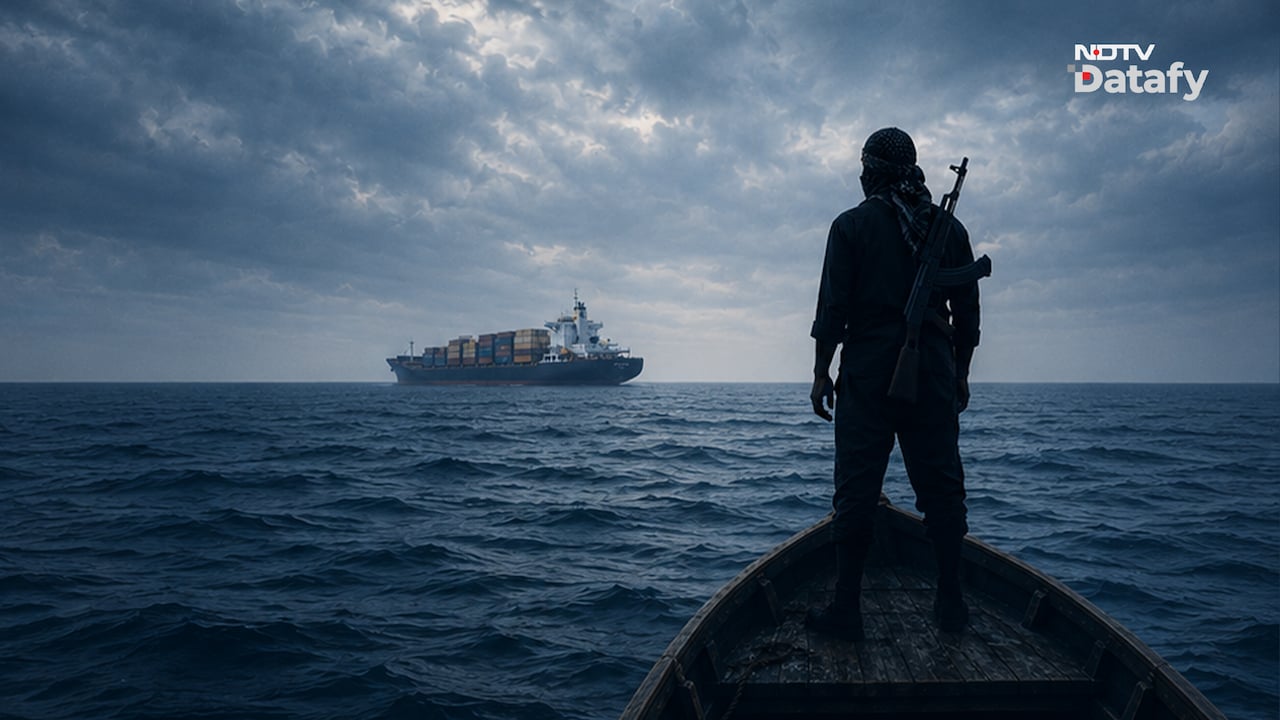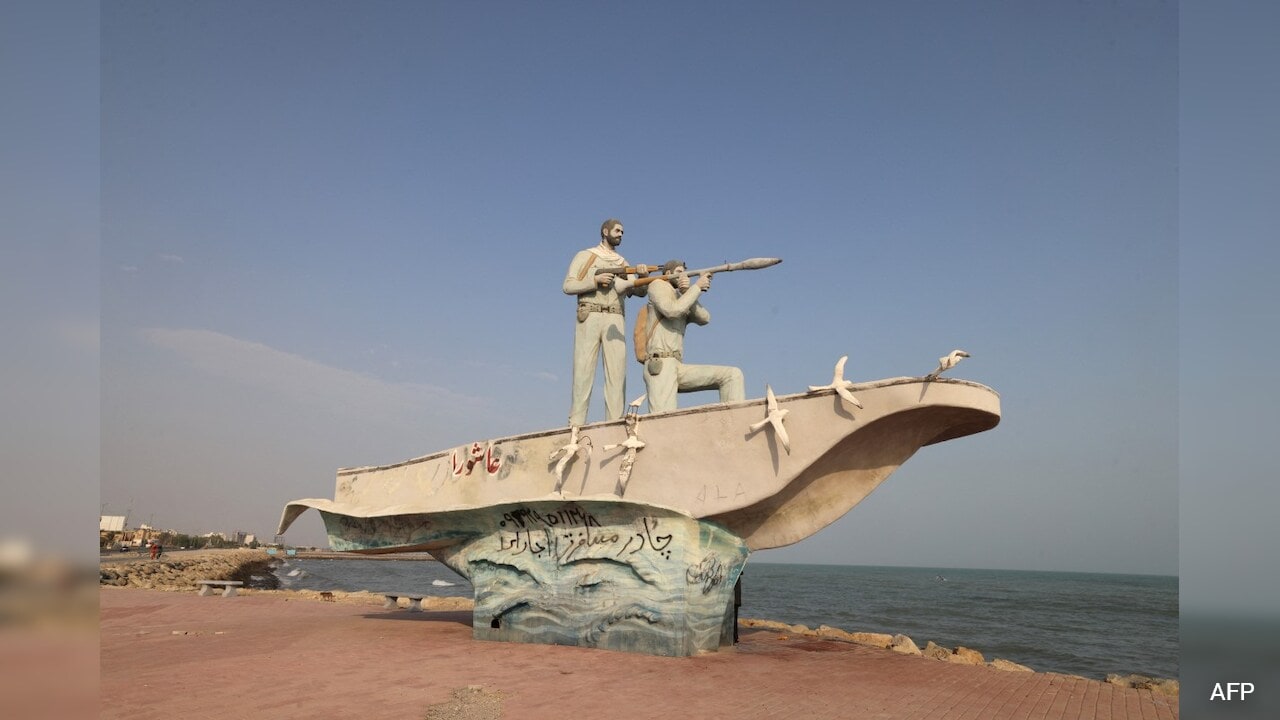
Tehran has blacklisted 45 vessels, including those from India and Pakistan, alleging violations of transit rules in the Strait of Hormuz.
- Iran has blacklisted 45 ships for allegedly breaching Strait of Hormuz transit regulations.
- Vessels from India and Pakistan are among those targeted in the blacklist.
- AFP analysis reveals one-third of these vessels have already faced attacks during the Middle East conflict.
In a significant escalation of maritime tension, Iran has blacklisted 45 vessels for allegedly violating transit rules within the Strait of Hormuz. The list includes commercial ships from India and Pakistan, raising alarms regarding the safety of international shipping lanes in one of the world's most sensitive maritime corridors. Tehran's move appears to be an attempt to enforce its own shipping protocols within the region.
Escalating Middle East Tensions
The implications of this blacklist are compounded by the ongoing instability in the Middle East. According to a data analysis by AFP, approximately one-third of the vessels currently on Iran's blacklist have already been targeted in attacks stemming from the broader Middle East war. This intersection of regulatory enforcement and active conflict zones creates a high-risk environment for international mariners.
Why This Matters
BozokMedia analysis shows that the Strait of Hormuz is a critical artery for global energy supplies. Any attempt by Iran to unilaterally impose its own shipping corridors or blacklist international vessels can lead to immediate volatility in global oil markets. For major regional players like India and Pakistan, this move poses a direct threat to their maritime trade security and economic interests.
The unilateral enforcement of transit rules in the Strait of Hormuz could redefine maritime sovereignty and global energy security.
Analysts suggest that Tehran is seeking to assert greater control over the maritime traffic passing through its waters. By imposing its own regulations, Iran is testing the boundaries of international maritime law and the response of the global community to its territorial claims.
Historical Background
The Strait of Hormuz has long been a geopolitical flashpoint. Throughout various conflicts involving Iran and Western powers, the waterway has been used as a strategic lever. The threat of vessel seizures and the presence of military activity in these narrow waters have historically caused massive fluctuations in global commodity prices.
Frequently Asked Questions
Question 1: Which countries' ships are affected by the Iranian blacklist?
Answer: The blacklist includes ships from several nations, specifically highlighting vessels from India and Pakistan.
Question 2: What is the link between the blacklist and the Middle East war?
Answer: AFP analysis found that one-third of the blacklisted ships have already been subject to attacks during the ongoing conflict.