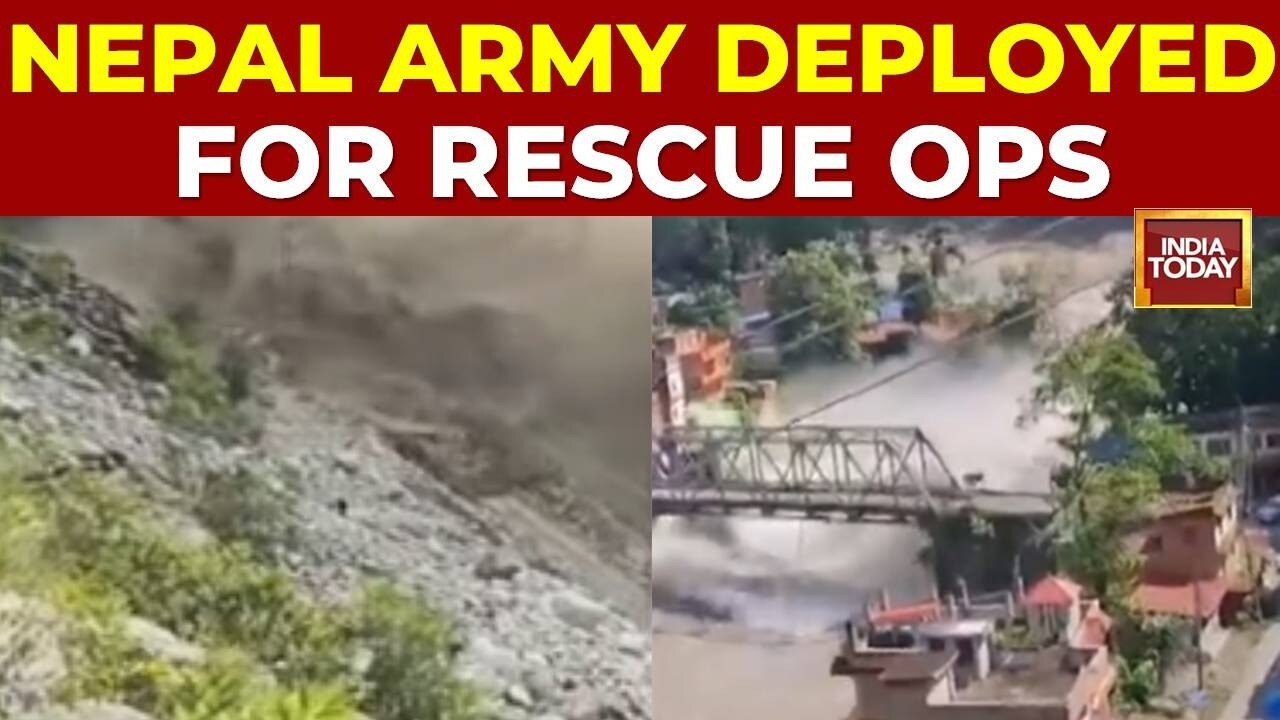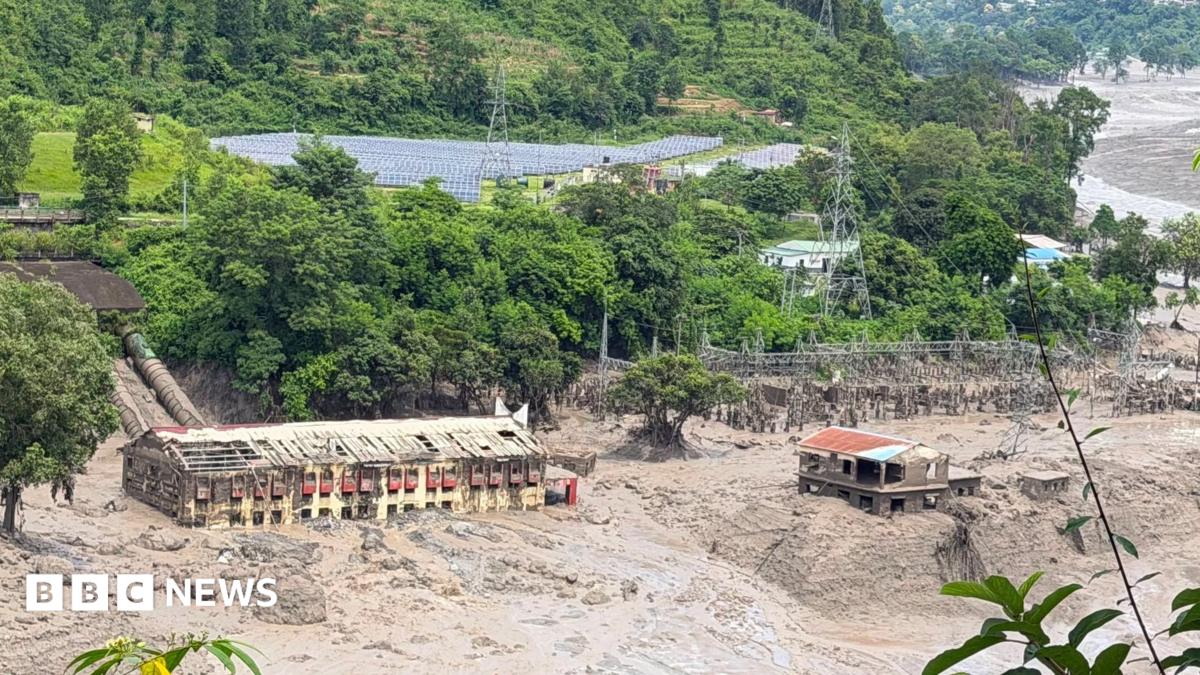
A catastrophic flash flood and mudslide triggered by excessive snowmelt in the Bhote Koshi river has claimed at least 17 lives in Nepal's Rasuwa district, threatening entire villages along the Tibet border.
- At least 17 fatalities confirmed following massive flash floods in Rasuwa, Nepal.
- The disaster was triggered by rapid snowmelt in the Bhote Koshi river.
- Critical infrastructure, including the main road to Kathmandu, is severely damaged or closed.
- Search and rescue operations are underway but hampered by high winds.
A devastating flash flood and subsequent mudslides have struck the Rasuwa district of Nepal, near the Tibetan border, leaving at least 17 people dead and causing widespread destruction. The disaster, which occurred early Wednesday, is believed to have been caused by excessive snowmelt feeding into the Bhote Koshi river, a major waterway flowing from Tibet through Nepal.
According to Nepal Police spokesman Abhi Narayan Kaphle, all security agencies are mobilized for rescue efforts. While 12 individuals have been successfully rescued so far, the scale of the disaster remains uncertain. Chinese state media has also reported significant casualties on the Tibetan side, while Nepalese officials warn of a "huge scale loss" as villages are reportedly being washed away by the surging waters.
Why This Matters
BozokMedia analysis shows that the increasing frequency of Glacial Lake Outburst Floods (GLOFs) and rapid snowmelt in the Himalayan corridor is a direct consequence of rising regional temperatures. These events pose a systemic risk to border stability, logistics, and the lives of thousands living in downstream valleys.
The suddenness of this event, coupled with the destruction of vital communication and transport links, highlights the extreme vulnerability of Himalayan border communities.
The impact on infrastructure has been profound. The main artery connecting the region to Kathmandu is currently closed, and power and communication lines have been severed. Local businesses are struggling; Yee Liang, a Chinese businessman in Kathmandu, reported losing all contact with his logistics team stationed in the flood zone due to the total loss of signal.
Historical Background
This is not the first time Rasuwa has faced such devastation. Last year, a similar glacier burst on the Chinese side of the border resulted in the deaths of 18 people. However, officials on the ground believe that the current disaster's scale may exceed the impact of last year's tragedy due to the intensity of the snowmelt.
| Event Metric | Previous Year Disaster | Current Disaster (2026) |
|---|---|---|
| Fatalities | 18 | 17 (Confirmed) |
| Primary Cause | Glacier Burst | Excessive Snowmelt |
| Infrastructure Impact | High | Severe/Critical |
Frequently Asked Questions
Question 1: Can rescue helicopters reach the affected areas?
Answer: While authorities have attempted to deploy helicopters, strong winds are currently making aerial inspections and rescues extremely difficult.
Question 2: Is the road to Kathmandu open?
Answer: No, the main road to Kathmandu is currently closed due to damage and debris.