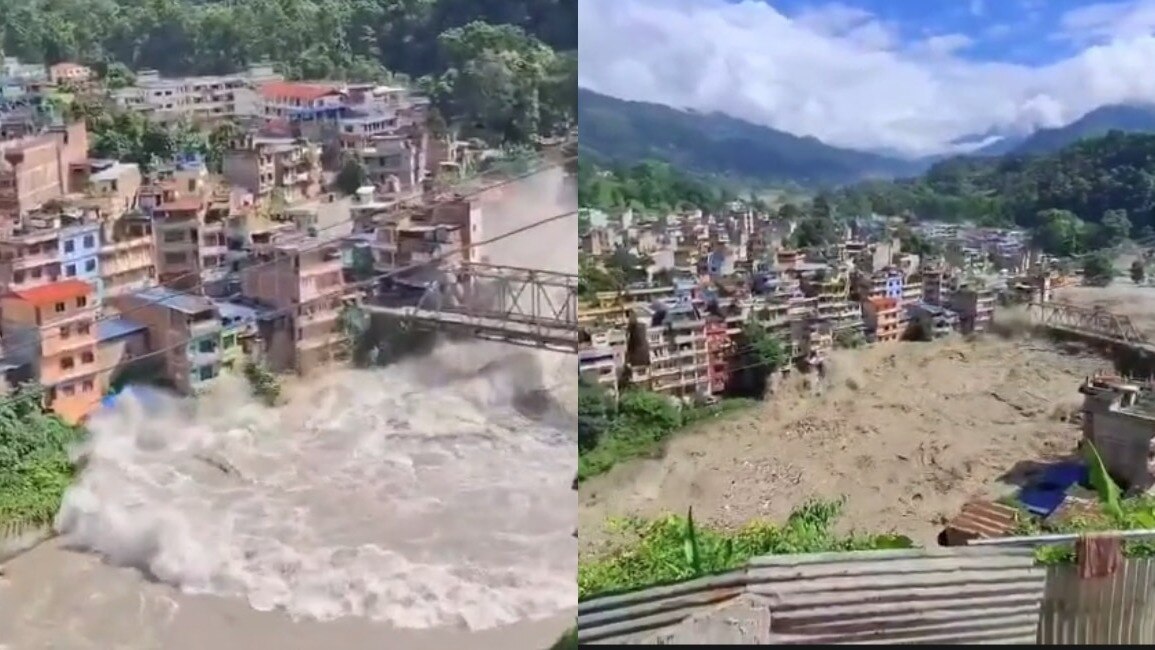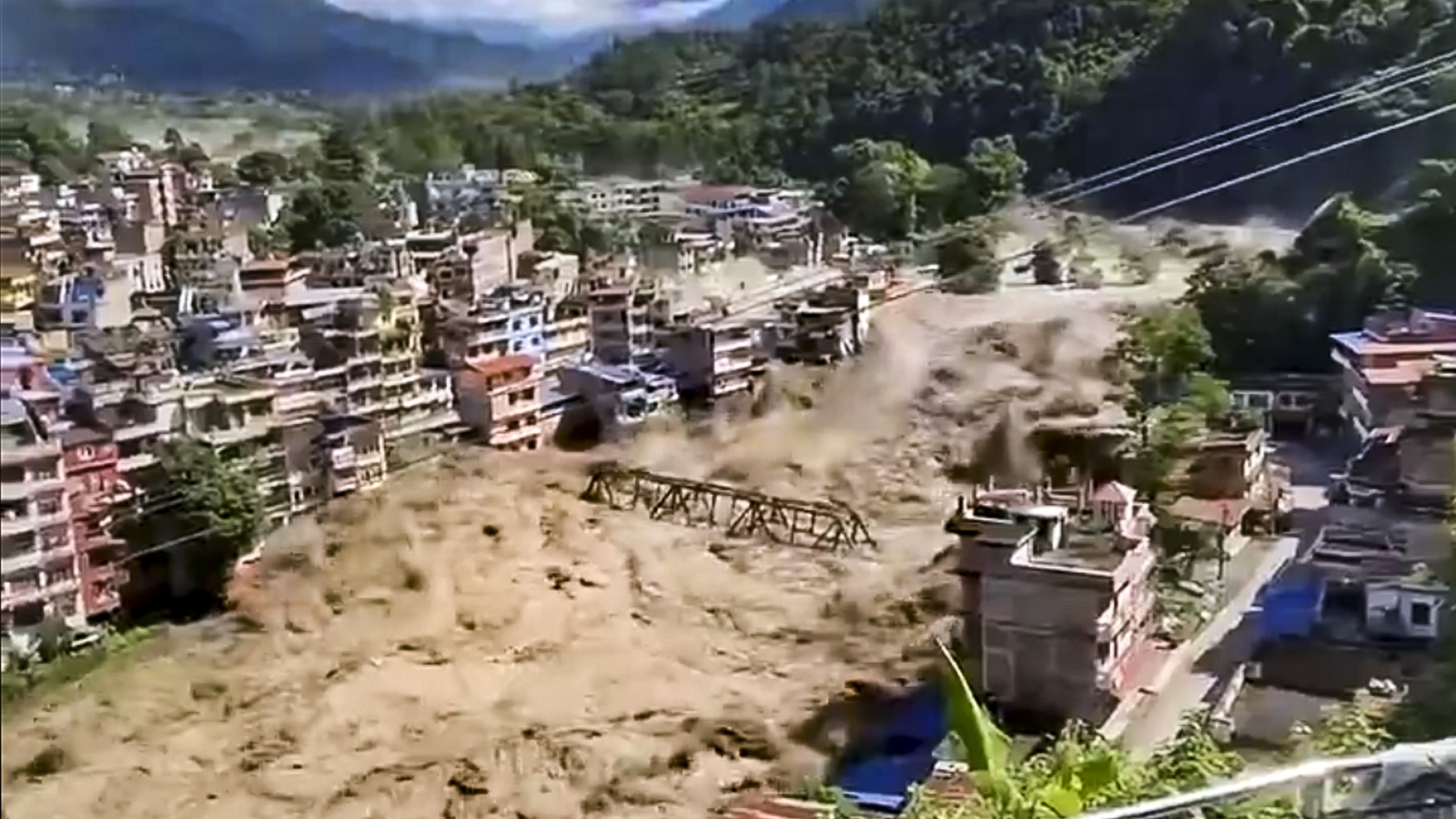
Devastating flash floods triggered by a suspected glacial avalanche have struck the Nepal-Tibet border, killing over 150 people and leaving more than 100 Indians missing.
- Over 150 people confirmed dead following massive flash floods in Nepal.
- At least 105 Indians and 37 NRIs are reported missing.
- Most missing Indians were pilgrims on the Kailash Mansarovar Yatra.
- A glacial avalanche is suspected to be the primary cause of the surge.
- Critical hydropower infrastructure destroyed, affecting 700 MW of power.
A catastrophic flash flood has struck the districts of Nepal bordering Tibet, resulting in a staggering death toll that has already crossed 150 individuals. The scale of the disaster is immense, with at least 484 people reported missing, including 105 Indian nationals and 37 Non-Resident Indians (NRIs).
Tragically, sources indicate that the majority of the missing Indians were travelers heading toward the sacred Kailash Mansarovar. The disaster has also claimed the lives of several Nepali security personnel, including 44 from the Army, 28 from the Police, and 13 from the Armed Police Force. International tourists from the US, UK, Malaysia, South Africa, Australia, and the Netherlands are also among those missing.
Why This Matters
BozokMedia analysis shows that this event underscores the extreme vulnerability of the Himalayan trade and pilgrimage routes. The affected areas, including Rasuwa and Dhading, are densely populated and serve as vital corridors for both trade and religious tourism. The destruction of critical infrastructure, such as a dozen hydropower projects, has also crippled the regional power grid, impacting 700 MW of generation.
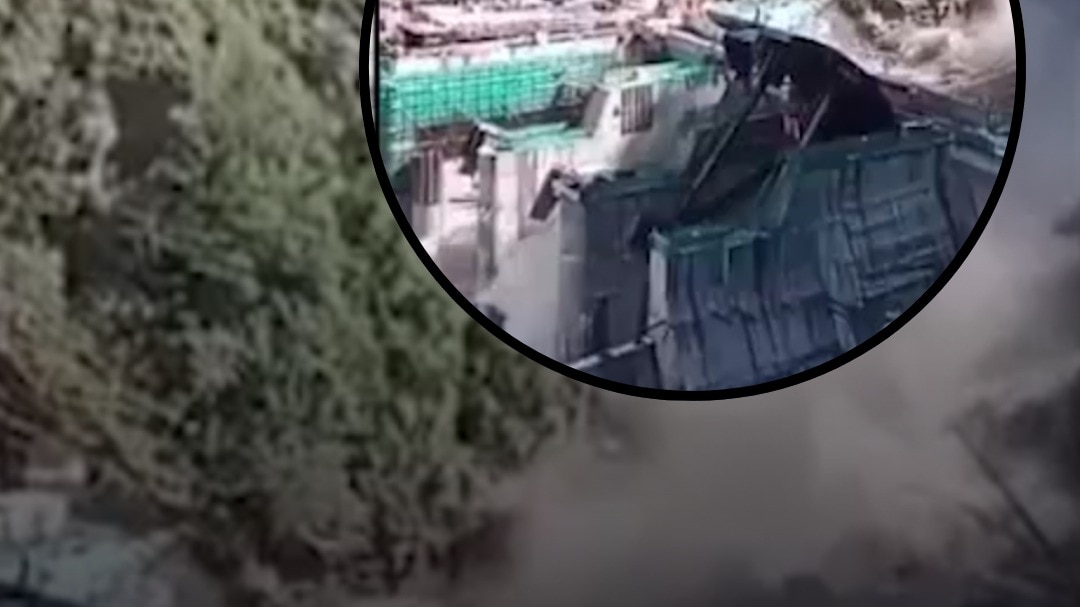
The flooding began shortly after 9:00 AM local time on Wednesday, sweeping away settlements along the 60-km stretch from Gyirong in Tibet through Rasuwa and Dhading to Nuwakot. In Nuwakot, the scene was one of utter devastation, with multi-storied buildings, trucks, and vans buried under thick layers of mud.
Preliminary assessments suggest a large volume of ice and rock debris entered the Lhende Khola, a tributary of the Bhote Koshi River, creating a sudden, violent surge.
Climate experts at the International Centre for Integrated Mountain Development (ICIMOD) believe a glacial avalanche likely triggered the surge. Furthermore, Nepal’s Foreign Minister Shisir Khanal informed Parliament that an earthquake in the region may have acted as the catalyst for the avalanche that caused the floods.
Historical Background
The Himalayan region has witnessed a rise in extreme weather events and geological disasters over the last decade, often linked to climate change and rapid infrastructure development. The Rasuwa district is a high-altitude zone known for its 108 lakes, including the sacred Gosaikunda Lake. While the monsoon season is generally considered unfavorable for trekking, it remains a peak period for the Kailash Mansarovar Yatra via the Rasuwa-Gyirong route.
Frequently Asked Questions
Question 1: Who are the most affected among the missing?
Answer: A significant number of missing persons are Indian pilgrims traveling to Kailash Mansarovar.
Question 2: What caused the sudden flood?
Answer: Experts suggest a glacial avalanche, potentially triggered by seismic activity, caused debris to enter the Lhende Khola river.