A major scandal has rocked South Korea's Jeju Island following the discovery of four missing persons' bodies, leading to the arrest of a police sergeant accused of systemic deception.
- Four bodies of missing individuals were recovered on Jeju Island.
- Police Sergeant Bu has been arrested for allegedly lying to families and prematurely closing cases.
- President Lee Jae-myung has ordered sweeping police reforms.
- Nearly 300 missing persons cases handled by the suspect are under review.
The tranquil holiday destination of Jeju Island has been thrust into the center of a national crisis. The discovery of four bodies belonging to missing persons has exposed deep-seated failures within the South Korean police force, sparking widespread public outrage and calls for immediate systemic overhaul.
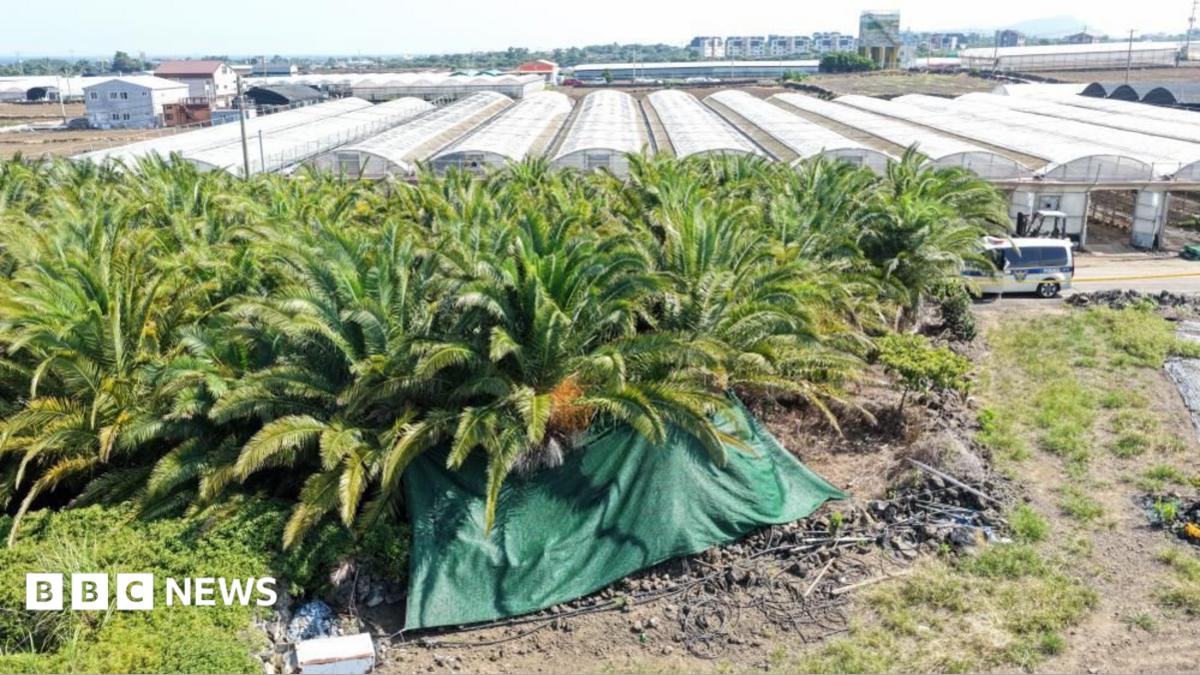
The scandal deepened significantly with the arrest of a police sergeant, identified by the surname Bu. He stands accused of a pattern of deception, specifically targeting the families of the missing by providing false updates to justify closing investigations prematurely. One such victim, 37-year-old Jang Mi-ran, was found dead at a palm tree farm, months after she was reported missing.
Why This Matters
BozokMedia analysis shows that this incident highlights a dangerous culture of complacency within certain police ranks. In a country where violent crime is statistically low, officers have developed a tendency to treat missing persons cases with undue haste, assuming most will be resolved quickly. This 'assumption-led policing' has resulted in catastrophic delays in finding actual victims.
The arrest of the sergeant reveals a systemic breakdown where administrative efficiency was prioritized over the actual search for human life.
The human cost of this negligence is devastating. In one instance, the family of a man in his 60s was told by Sergeant Bu that the individual was 'safe' but simply did not wish to be located. Fifty-one days later, his body was recovered, leaving a family shattered by the police's false assurances.
Political Implications and Reform
This scandal arrives at a volatile political juncture. The South Korean government recently passed reforms to transfer investigative powers from prosecutors to the police to reduce political influence. However, the perceived incompetence and corruption within the police force have fueled public skepticism regarding this massive transfer of power.
| Aspect | Pre-Scandal Status | Post-Scandal Direction |
|---|---|---|
| Investigative Power | Transitioning from Prosecutors | Increased oversight required |
| Case Management | High resolution speed (99%) | Focus on accuracy over speed |
| Public Trust | Questionable | Urgent rebuilding phase |
In response to the mounting crisis, President Lee Jae-myung has ordered a comprehensive reform of the police force, citing a breakdown in discipline and public safety responsibility. Four high-ranking officers in the sergeant's chain of command have already been placed on administrative leave.
Frequently Asked Questions (FAQs)
1. What is the scale of the investigation?
Authorities are currently re-examining nearly 300 missing persons reports that were handled by the arrested sergeant.
2. Why is Jeju Island significant to this story?
Jeju is a major tourist hub; the incident undermines the safety perception of one of South Korea's most vital economic and tourism assets.