A catastrophic flash flood in Nepal's Lhende Khola river system has claimed at least 100 lives, with 105 Indians reported missing. Authorities suspect an earthquake-induced avalanche triggered the disaster.
- At least 100 dead and many missing following flash floods in the Nepal-Tibet border region.
- 105 Indian nationals are among the missing, raising cross-border concerns.
- The disaster is suspected to be caused by an ice-rock avalanche triggered by an earthquake.
- Critical infrastructure, including Gyirong Port and hydropower plants, has been severely damaged.
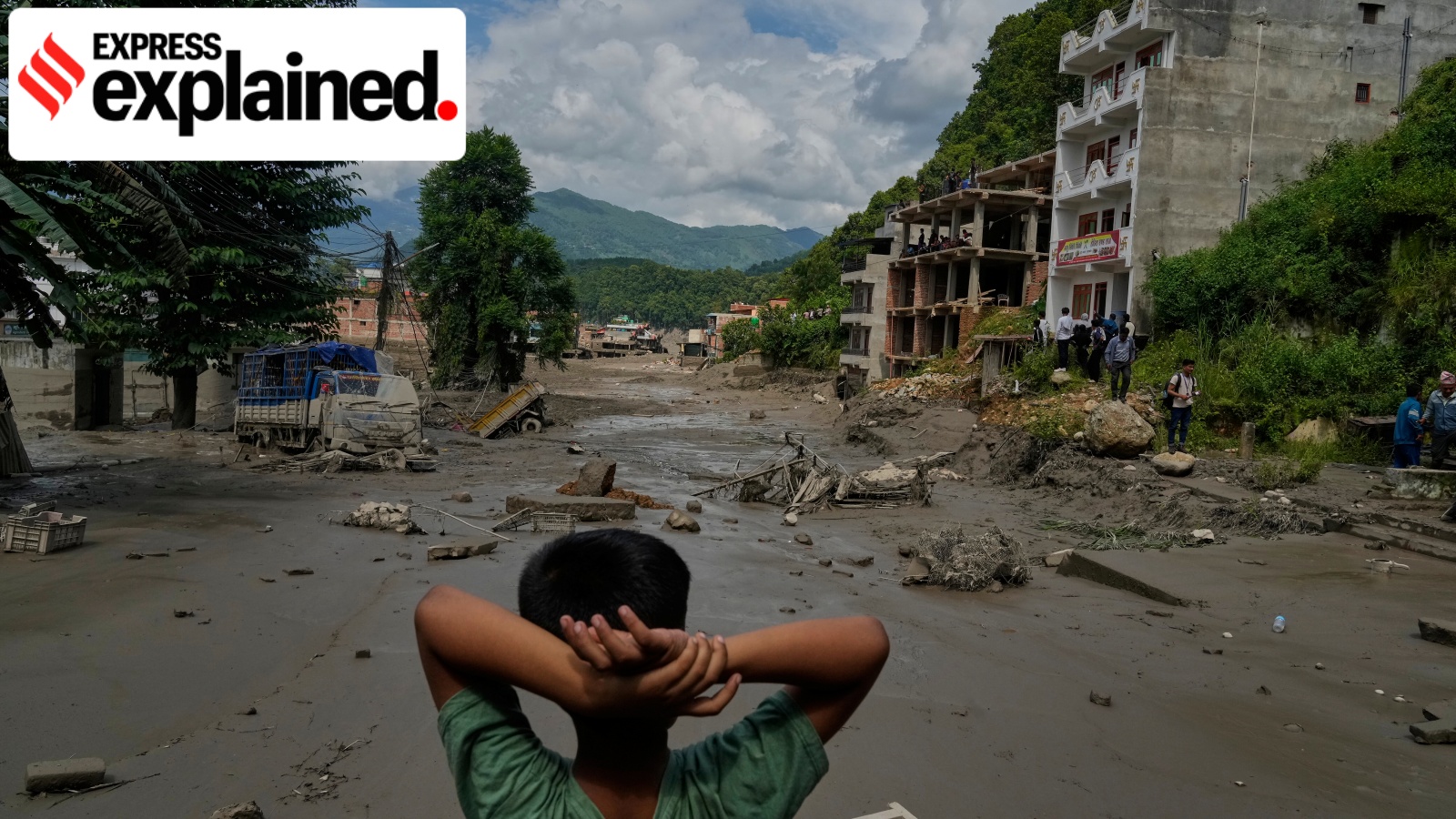
On Wednesday, August 26, 2026, a massive flash flood struck the border regions of Nepal and Tibet, resulting in a humanitarian crisis. The flooding, centered around the Lhende Khola and Bhote Koshi river systems, has claimed at least 100 lives. Most alarmingly, 105 Indians are reported missing, prompting urgent concerns for cross-border relief efforts.
The surge of water and debris has decimated vital infrastructure, swallowing roads, bridges, and homes. The Gyirong Port, a crucial transit point between Tibet and Nepal, has been crippled by mudslides, while power and communication networks have been severed. This follows a similar disaster last year, where a Glacial Lake Outburst Flood (GLOF) significantly impacted Nepal's energy sector.
Why This Matters
BozokMedia analysis shows that this is not merely a weather-related event but a complex geological catastrophe. The suddenness of flash floods in mountainous terrains leaves downstream communities with virtually no window for evacuation. The destruction of hydropower infrastructure also highlights the economic vulnerability of the region, which relies heavily on these water resources for energy.
The combination of steep gradients and narrow gorges creates a 'funnel effect' that accelerates floodwaters to lethal velocities.
Authorities are investigating the possibility that an earthquake triggered a massive ice-rock avalanche upstream. In the high-altitude Himalayas, seismic activity can destabilize glaciers and rock formations. When this debris falls into narrow river channels, it can form a temporary natural dam. When the pressure becomes too great, the dam ruptures, sending a violent wall of water and debris downstream.
The Topographic Trap
Nepal’s unique topography plays a dual role in its development and its destruction. While the high peaks and deep gorges are ideal for hydropower generation, they also act as natural accelerators for floodwaters. The narrow valleys force water into concentrated channels, increasing its destructive energy.
| Factor | Impact on Disaster Severity |
|---|---|
| Seismic Activity | Triggers avalanches and sudden debris dams |
| Topography | Creates 'funneling' effect, increasing water speed |
| Terrain Gradient | Increases sediment and boulder transport capacity |
Frequently Asked Questions
1. Why are so many Indians missing?
Due to the proximity of the disaster to the border and the presence of workers in regional hydropower projects, many Indian nationals were in the affected zone.
2. Is there a risk of more flooding?
Yes, authorities have warned of a potential second flood due to remaining debris blockages still lodged upstream.