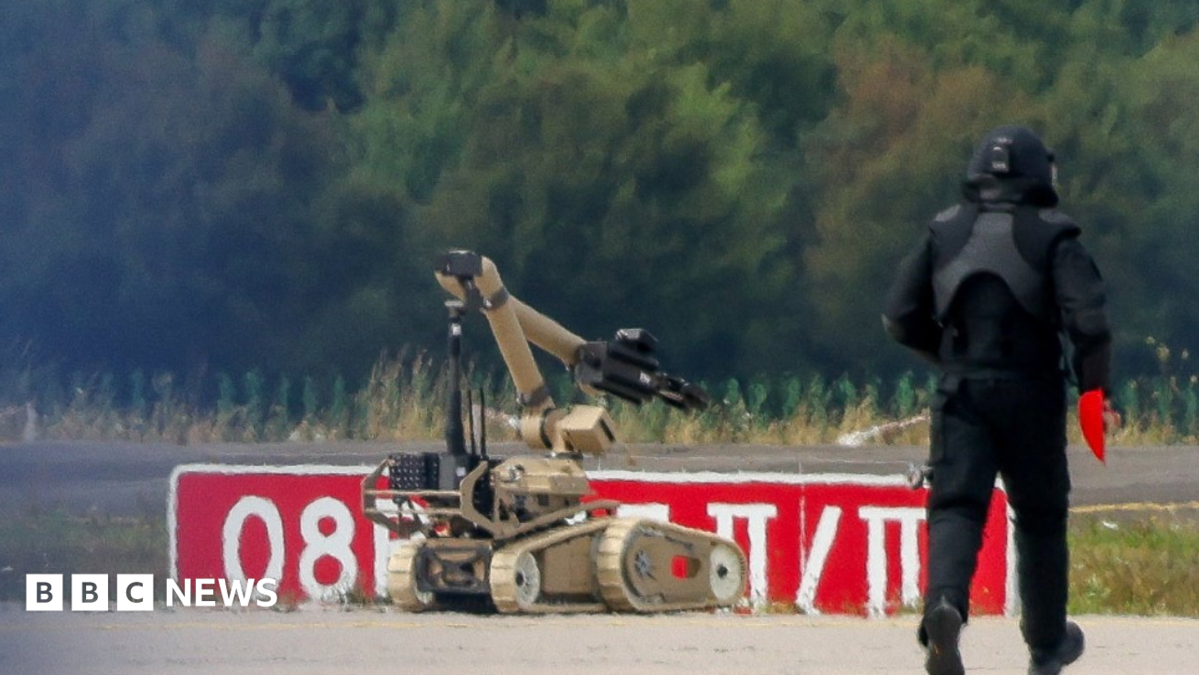
Russia is intensifying its hybrid attack campaign across Europe, targeting critical infrastructure and defense manufacturing, leaving NATO heavyweights scrambling for answers.
- Significant escalation in Russian hybrid warfare, including cyber and physical sabotage.
- Targeting of strategic military assets, such as the Milrem Robotics factory in Estonia.
- European nations face a critical gap in responding to non-traditional warfare.
According to recent intelligence and reports from Bloomberg, Russia is aggressively escalating its hybrid warfare operations across the European continent. Moving beyond mere digital disruptions, the Kremlin is now employing a multi-pronged approach that includes physical sabotage, disinformation campaigns, and attacks on critical infrastructure to destabilize Western security.
A recent alarming incident in Estonia involving suspected arson at the Milrem Robotics factory has brought these fears to the forefront. Three suspects were detained in connection with the incident, highlighting a direct attempt to cripple European defense manufacturing capabilities. This pattern of targeting weapons factories suggests a calculated move to weaken NATO's military readiness.
Why This Matters
BozokMedia analysis shows that these 'gray zone' tactics are designed to stay below the threshold of conventional warfare, making it difficult for European nations to trigger collective defense protocols like NATO's Article 5. By operating in the ambiguity between peace and war, Russia aims to cause maximum disruption with minimum risk of a direct military retaliation.
The shift from cyber espionage to physical sabotage marks a dangerous new chapter in Russia's strategy to destabilize the West.
Countries like Finland have issued stern warnings regarding the rising threat of Russian sabotage. The strategic intent is clear: to create internal chaos, undermine public trust, and disrupt the logistics required to support Ukraine and strengthen European defense lines.
Historical Background
While hybrid warfare has been a staple of Russian foreign policy for years—seen in election interference and energy blackmail—the current escalation represents a much more aggressive phase. The integration of physical attacks on industrial sites marks a significant evolution in their capability to project power without a formal declaration of war.
Frequently Asked Questions
Question 1: What constitutes a 'hybrid attack'?
Answer: It is a combination of cyberattacks, psychological warfare, economic pressure, and physical sabotage intended to destabilize a target.
Question 2: How is Europe responding?
Answer: European nations and NATO are currently working to increase intelligence sharing and bolster the physical security of critical industrial sites.