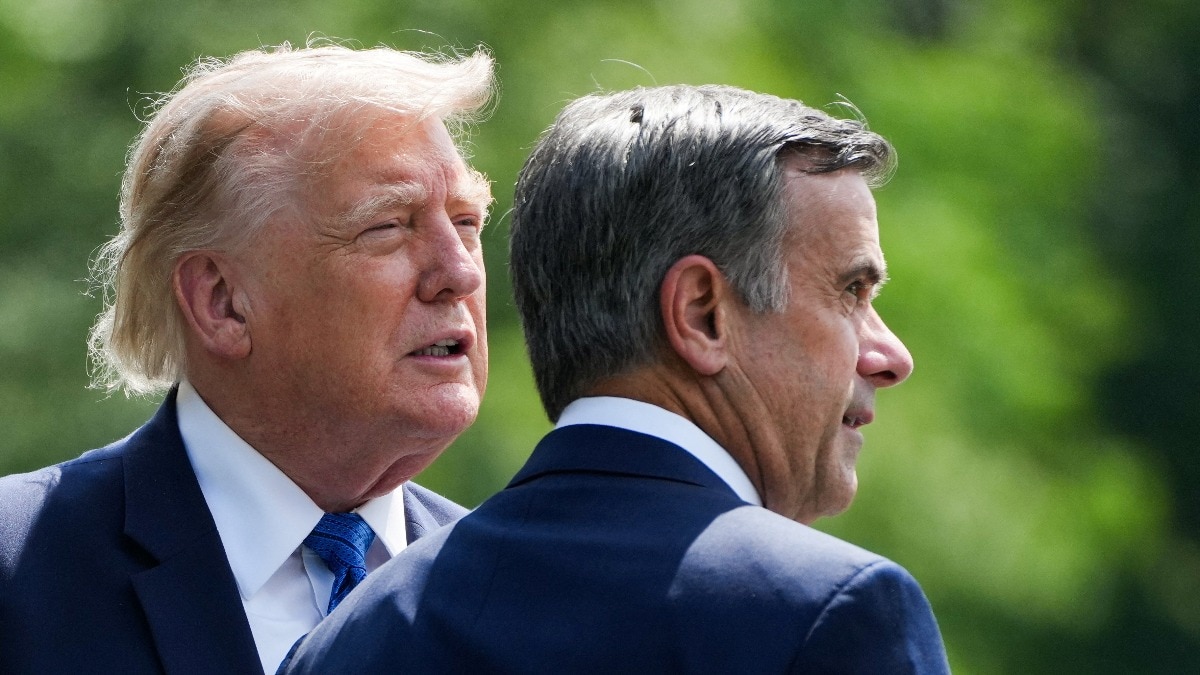
US President Donald Trump has downplayed the mystery surrounding CIA Director John Ratcliffe's surprise trip to Moscow, calling it 'semi-routine' despite intense global speculation regarding the Ukraine conflict.
- CIA Director John Ratcliffe conducted a surprise, brief visit to Moscow via US military aircraft.
- President Donald Trump labeled the mission as "semi-routine" during a media appearance.
- The Kremlin confirmed intelligence-level talks but denied a meeting with President Putin.
- Analysts suggest the trip may involve warnings regarding Russia's non-conventional warfare against NATO.
US President Donald Trump has moved to calm the growing storm of speculation regarding CIA Director John Ratcliffe's sudden and highly secretive trip to Moscow. As the world watches the escalating tensions between Washington and Moscow, Ratcliffe's brief appearance in the Russian capital has sparked intense debate over the future of the Ukraine conflict and broader NATO security.
Why This Matters
BozokMedia analysis shows that the timing of this intelligence-led mission is critical. Ratcliffe traveled to Moscow on a US military aircraft and departed within hours, a pattern that suggests high-stakes, rapid-response diplomacy. While the White House and Pentagon have remained tight-lipped, the movement signals that direct intelligence channels between the two superpowers are being utilized to navigate the most volatile period of the decade.
The secrecy surrounding Ratcliffe's mission highlights the delicate dance of espionage-led diplomacy in a post-invasion landscape.
During an interview with conservative host Glenn Beck, Trump addressed the rumors directly. He dismissed claims of high-level conspiracies, describing the visit as "semi-routine." However, he did not shy away from the geopolitical implications, stating that Washington "would like to see the war in Ukraine end" and hinting that "something may come out of" the discussions held in Moscow.
The Kremlin has since stepped in to clarify the scope of the meeting. Kremlin press secretary Dmitry Peskov confirmed that while Ratcliffe engaged with Russian intelligence officials, there was no direct meeting with President Vladimir Putin. Peskov characterized the contact as a "positive phenomenon," emphasizing that communication must persist even during periods of extreme bilateral tension.
Historical Context and Strategic Implications
This visit marks a significant precedent in US-Russia relations. It is only the second time in recent years that a CIA chief has traveled to Moscow for such high-level intelligence talks. The last major instance was in November 2021, involving then-Director William Burns, shortly before the full-scale invasion of Ukraine. The current trip comes at a time when Russia has increased military pressure on NATO allies, including incursions near Poland and Romania.
Furthermore, reports suggest that the US coordinated this move with Ukraine, asking Kyiv to temporarily suspend strikes to allow the delegation to conduct its mission safely. This level of coordination underscores the gravity of the intelligence exchange being attempted.
| Feature | Ratcliffe Visit (2026) | Burns Visit (2021) |
|---|---|---|
| Primary Objective | Potential War De-escalation | Warning against invasion |
| Outcome Context | Ongoing Ukraine War | Pre-Invasion Tension |
| Status | Substance Under Wraps | Led to invasion months later |
Frequently Asked Questions
1. Did John Ratcliffe meet Vladimir Putin in Moscow?
No, the Kremlin has officially stated that Ratcliffe met with intelligence officials but did not meet with President Putin.
2. What was the purpose of the CIA director's visit?
While not officially disclosed, experts suggest it was related to the Ukraine war and warnings regarding Russia's actions against NATO members.

