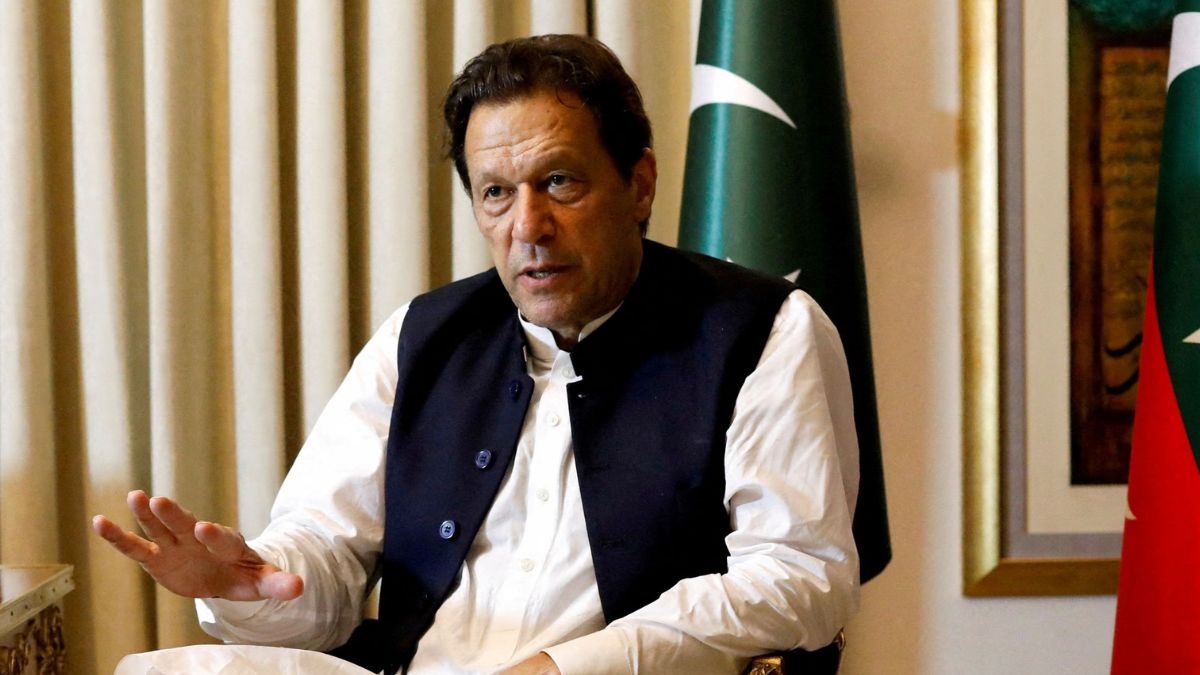
US Secretary of State Marco Rubio signals a shift from military strikes to aggressive economic sanctions against Iran, even as China's influence poses a significant challenge to US policy.
- The US is not planning immediate fresh military strikes against Iran.
- Secretary of State Marco Rubio emphasizes using sanctions as the primary pressure tool.
- China's economic ties with Iran present a massive obstacle to US sanctions effectiveness.
The Trump administration is pivoting its strategy toward Iran, opting for an intense economic squeeze rather than immediate military escalation. US Secretary of State Marco Rubio has signaled that the United States does not expect to launch fresh military strikes against Iran "for the time being." This shift indicates a strategic preference for economic warfare over kinetic military action.
According to reports from Axios, citing US officials, the focus of the State Department will now shift toward a robust sanctions initiative. This move is designed to tighten the noose around the Iranian economy, aiming to curb Tehran's regional influence and nuclear ambitions through financial isolation.
Why This Matters
BozokMedia analysis shows that this transition from military threats to economic coercion represents a calculated attempt to achieve geopolitical goals while minimizing the risk of a full-scale regional war. However, the efficacy of this strategy is heavily dependent on international compliance, which is increasingly difficult to maintain in a multipolar world.
Economic sanctions are a double-edged sword that can pressure adversaries but often trigger complex shifts in global trade alliances.
The most significant roadblock to this American strategy is China. As a major economic partner to Iran, China holds the power to mitigate the impact of US-led sanctions. If Beijing continues to facilitate trade and energy deals with Tehran, the intended 'squeeze' on Iran's economy may fail to reach its full potential.
The geopolitical tension between the US and China adds a layer of complexity to the Iran issue. While Washington seeks to isolate Iran, Beijing’s pursuit of influence in the Middle East through economic cooperation creates a counter-pressure that complicates US diplomatic and economic maneuvers.
Historically, sanctions on major energy-producing nations like Iran have had ripple effects across global markets. The current administration's ability to coordinate with allies and bypass Chinese economic interference will be the ultimate test of this new policy direction.
Frequently Asked Questions
Question 1: Is the US preparing for war with Iran?
Answer: Not currently; Secretary Marco Rubio indicated that the focus is on economic sanctions rather than fresh strikes.
Question 2: How does China affect US sanctions?
Answer: China's economic relationship with Iran can provide a financial lifeline to Tehran, undermining the pressure applied by the US.