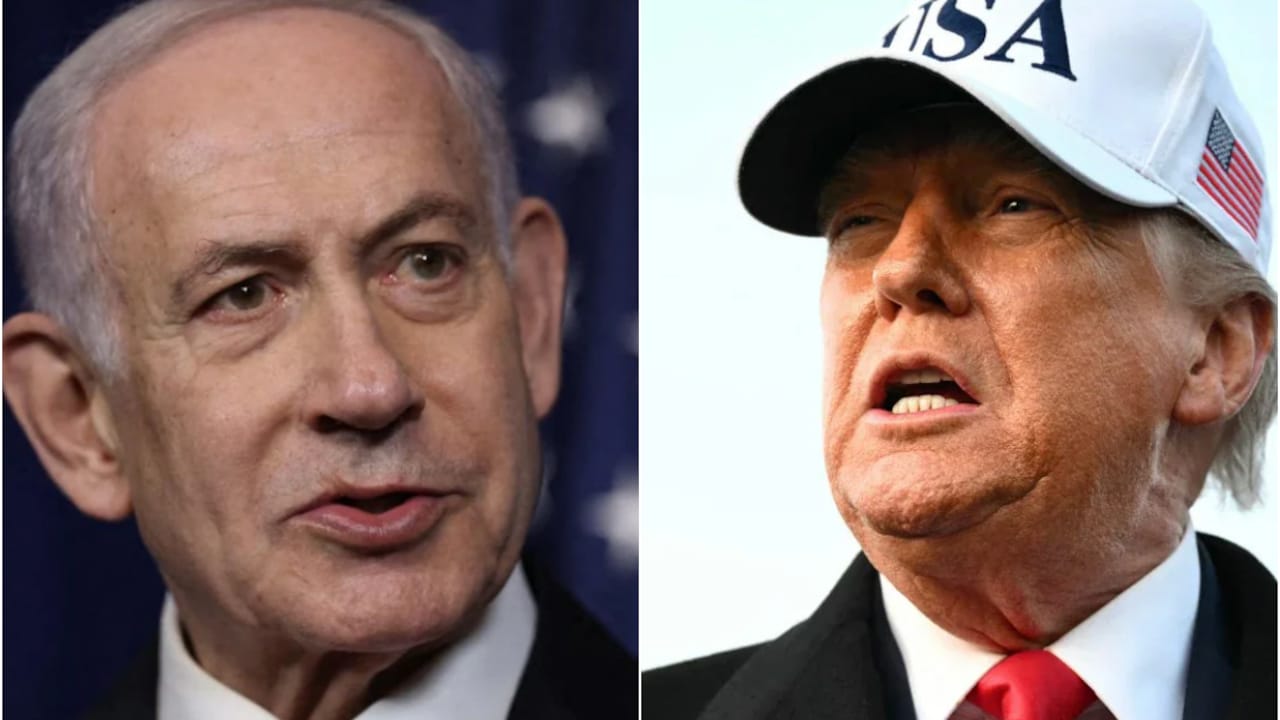
U.S. President Donald Trump briefed Israeli Prime Minister Benjamin Netanyahu on Thursday about ongoing U.S. military actions in the Gulf region, the Israeli premier's office said. The briefing came after Iran reported fresh American airstrikes, raising questions about escalating tensions.
U.S. President Donald Trump briefed Israeli Prime Minister Benjamin Netanyahu on Thursday regarding the latest U.S. operations in the Gulf, according to the Israeli prime minister's office. The briefing followed Iran's claim of fresh American air strikes, intensifying concerns over a potential escalation in the already volatile Middle East.
Strategic Context of the Gulf
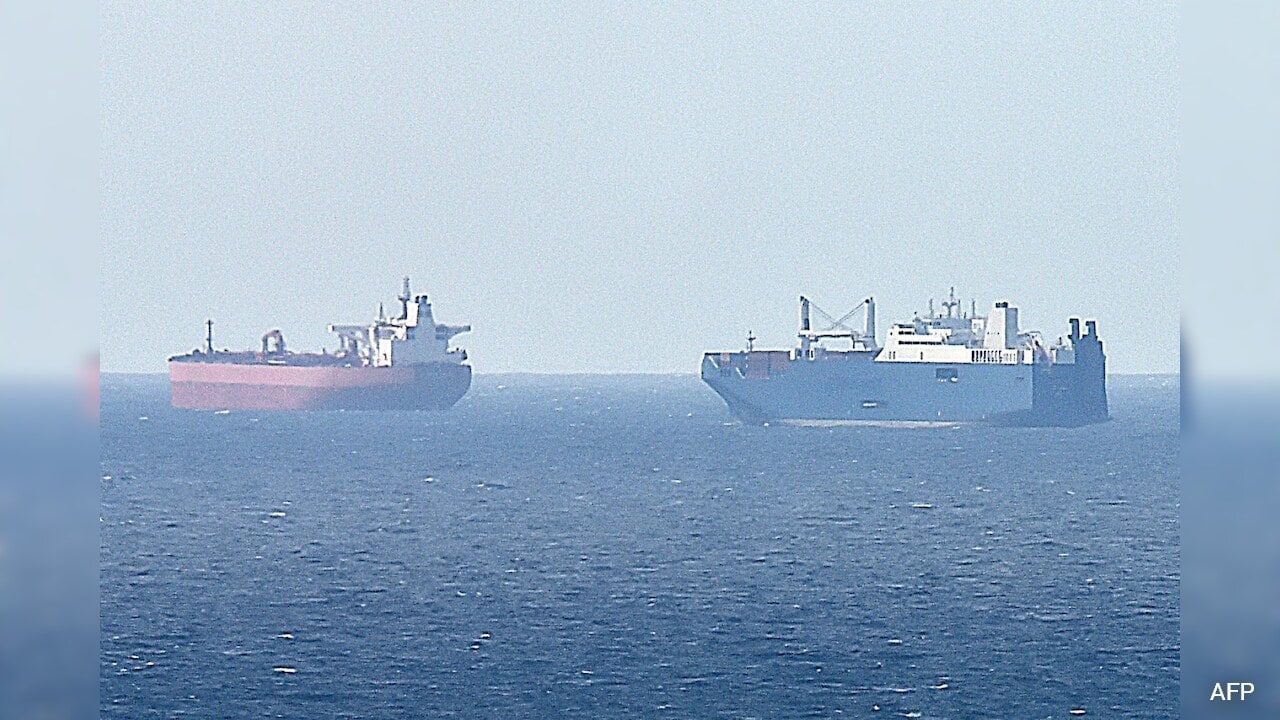
The Gulf region has long been a focal point for global energy security and geopolitical rivalry. The United States maintains a robust naval presence to safeguard shipping lanes and deter regional adversaries, particularly amid heightened tensions between Tehran and Washington. Recent U.S. air campaigns targeting Iranian nuclear facilities and missile sites have underscored a pattern of coercive signaling that risks spiraling into broader conflict.
Evolving U.S.-Israel Coordination
The U.S.-Israel defense partnership, rooted in decades of strategic cooperation, appears to be entering a new phase of intelligence sharing. Netanyahu's administration has repeatedly highlighted the necessity of American backing against Iranian threats. By receiving direct briefings on Gulf operations, Israel demonstrates its reliance on U.S. military decisions to shape its own security posture.
Iran's Reaction and Potential Fallout
Tehran denounced the recent strikes as violations of international law and warned of retaliatory measures. Prolonged hostilities could trigger spikes in oil prices, disrupt global supply chains, and invite broader regional involvement. Analysts suggest that such briefings may embolden Israel to adopt a more proactive stance, potentially influencing the calculus of future U.S. actions in the area.
Future Outlook
Going forward, the high‑level dialogue between Washington and Jerusalem signals an intent to coordinate not only military but also diplomatic responses. Multilateral forums, including the United Nations, will likely become arenas for managing the fallout and seeking de‑escalation pathways to preserve regional stability.