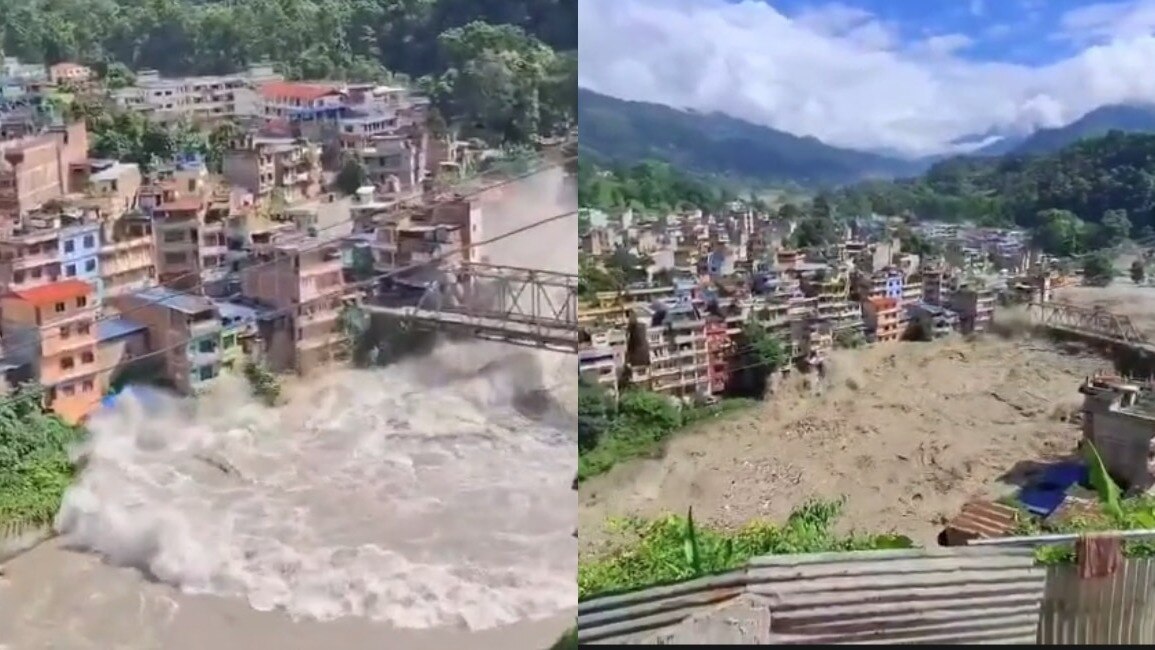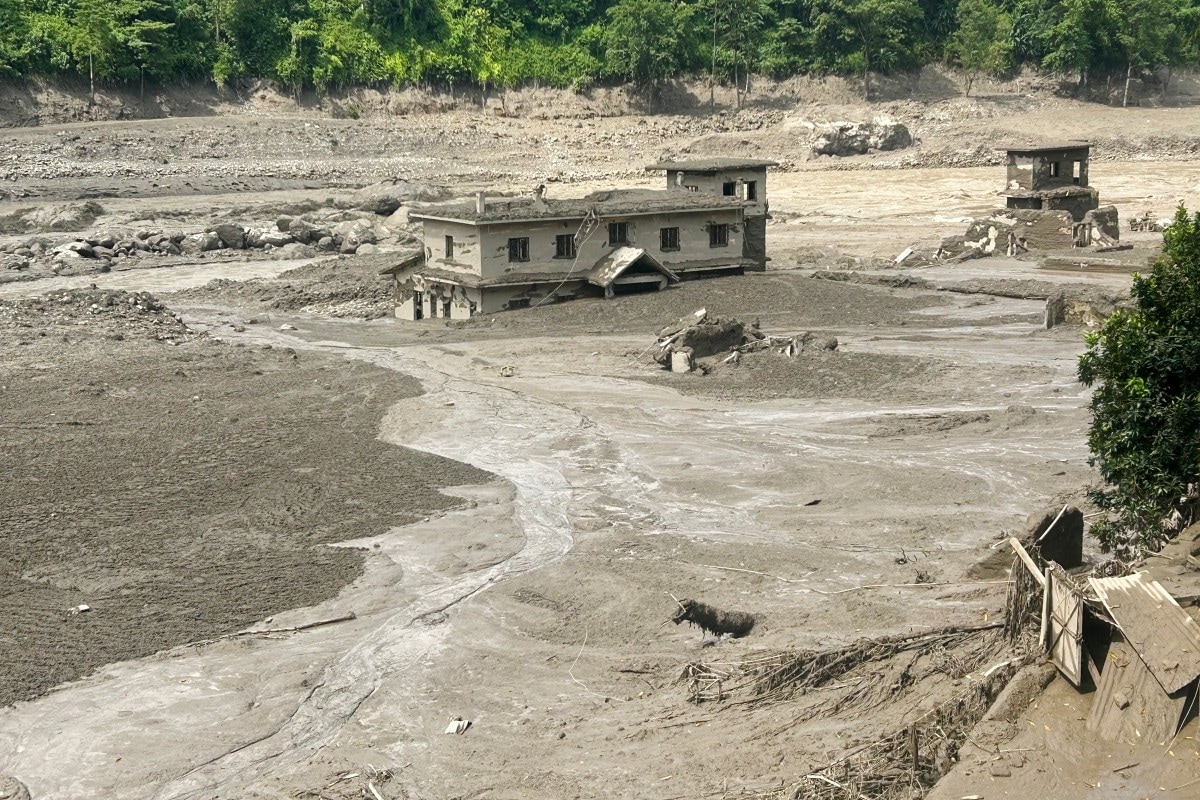
The United States Geological Survey (USGS) has clarified that the recent tremors along the Nepal-China border were caused by a massive landslide, not a 4.4-magnitude earthquake.
- Initial reports suggested a 4.4-magnitude earthquake near the Nepal-China border.
- USGS investigation confirmed the activity was actually a powerful landslide.
- The seismic signals were misinterpreted during the initial detection phase.
In a significant update regarding recent seismic activity in the Himalayan region, the United States Geological Survey (USGS) has clarified that the tremors felt along the Nepal-China border were not caused by an earthquake. While initial reports categorized the event as a 4.4-magnitude earthquake, subsequent analysis has provided a different conclusion.
The investigation revealed that the ground shaking was the direct result of a massive and powerful landslide occurring in the rugged mountainous terrain. The kinetic energy released by the shifting earth during the landslide was intense enough to be picked up by seismic sensors, mimicking the signature of a moderate earthquake.
Why This Matters
BozokMedia analysis shows that distinguishing between tectonic earthquakes and landslide-induced tremors is critical for accurate disaster assessment in the Himalayas. Misidentifying these events can lead to incorrect geological modeling and impact how regional authorities prepare for future natural disasters.
Large-scale landslides in high-altitude regions can generate seismic signals that closely resemble low-magnitude earthquakes, necessitating advanced post-event verification.
The Himalayan range is one of the most geologically active zones in the world. The constant movement of the Indian and Eurasian plates creates immense pressure, leading to both frequent earthquakes and unstable slopes prone to landslides. This event highlights the complexity of monitoring such a volatile landscape.
Experts suggest that as climate change leads to more erratic weather patterns, the frequency of landslides in this region may increase, making the ability to differentiate them from true seismic events a priority for global geological agencies.
Frequently Asked Questions
Question 1: Was there an earthquake in Nepal recently?
Answer: No, according to the USGS, the tremors were caused by a powerful landslide, not an earthquake.
Question 2: Why did the USGS initially report it as an earthquake?
Answer: The seismic waves produced by a massive landslide can closely resemble those of a small earthquake, leading to initial misidentification.