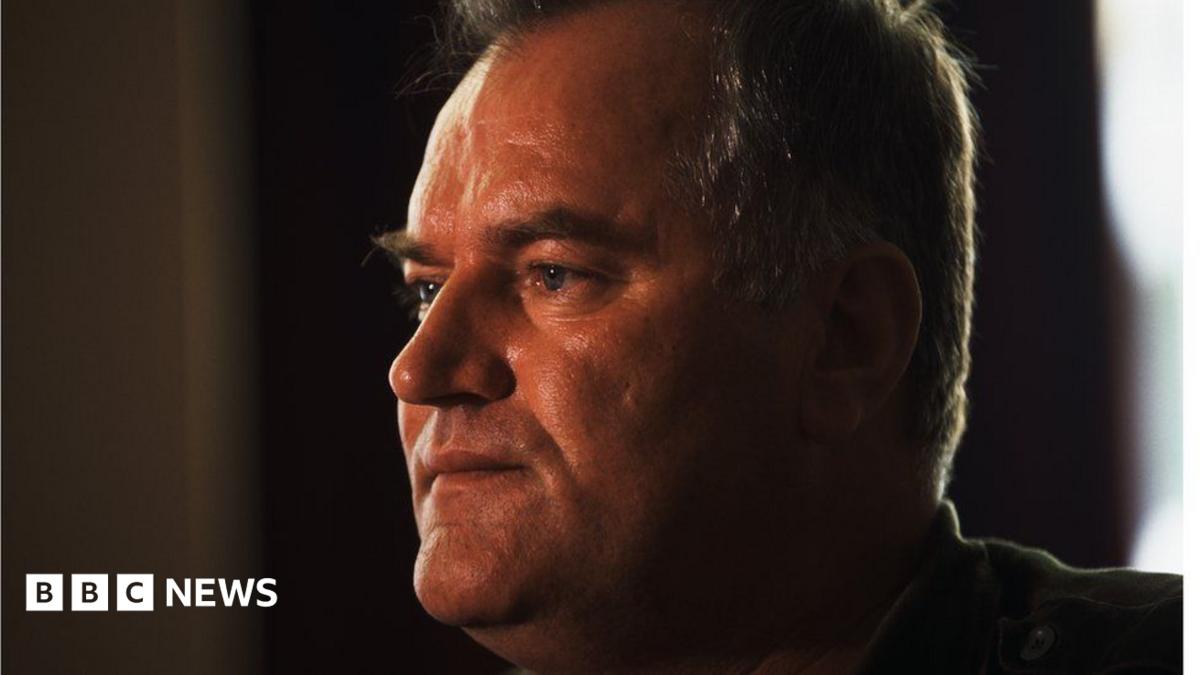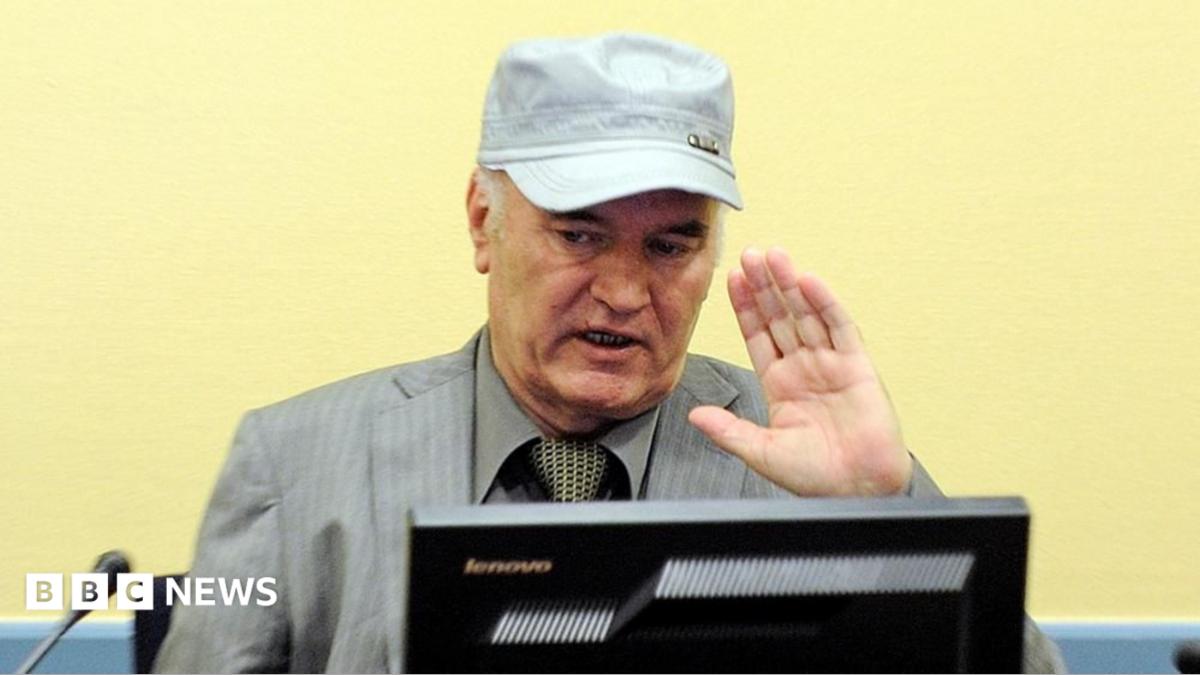
Ratko Mladić, the convicted war criminal sentenced to life for genocide during the Bosnian War, has passed away at age 84.
- Ratko Mladić died at age 84 in a UN prison in The Hague.
- He was convicted of genocide, war crimes, and crimes against humanity.
- He spent 16 years on the run before his capture in 2011.
Convicted Bosnian Serb war criminal Ratko Mladić has died in a United Nations prison at The Hague at the age of 84. The news of his passing was officially confirmed by a UN official. Mladić was serving a life sentence handed down in 2017 for his role in the genocide, war crimes, and crimes against humanity committed during the devastating wars in the former Yugoslavia between 1992 and 1995.
A Decade of Fugitive Life
Following the conclusion of the Bosnian War, Mladić evaded international justice for approximately 16 years. His period as a fugitive ended in 2011 when he was finally tracked down in rural Serbia and subsequently transferred to The Hague to face trial. Known infamously as the "Butcher of Bosnia," his conviction was upheld upon appeal in 2021, solidifying his legacy as one of the most notorious figures of the 20th century.
Why This Matters
BozokMedia analysis shows that Mladić's death marks the closing of a significant chapter in international criminal law. His trial served as a landmark moment for the International Criminal Tribunal for the former Yugoslavia (ICTY), demonstrating that even high-ranking military officials could be held accountable for mass atrocities.
The death of Mladić closes a dark chapter of the Balkan conflicts, yet the scars of his crimes remain deeply embedded in the region's collective memory.
In the months leading up to his death, Mladić had been receiving palliative care at the UN jail hospital. Earlier this year, in May, a UN court at The Hague denied his request for release on humanitarian grounds. While the judge acknowledged his "dire" health condition, the court ruled that he was receiving "comprehensive and compassionate treatment" while incarcerated.
Historical Background
The wars in the former Yugoslavia were characterized by intense ethnic cleansing and mass violence following the collapse of the socialist federation. Mladić's actions, particularly during the Srebrenica massacre, became the focal point of international investigations into war crimes and genocide in Europe.
Frequently Asked Questions
Question 1: What were Ratko Mladić's primary crimes?
Answer: He was convicted of genocide, war crimes, and crimes against humanity during the Yugoslav Wars.
Question 2: Where was he being held at the time of his death?
Answer: He was being held in a United Nations prison facility in The Hague.