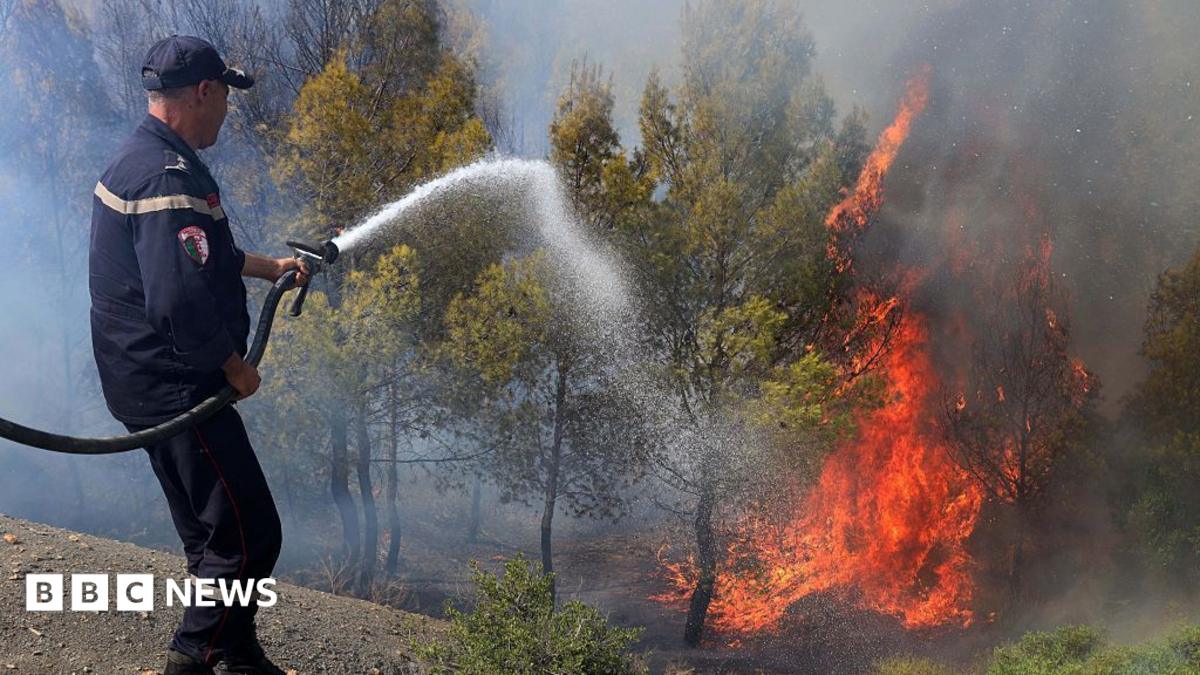
Severe wildfires fueled by extreme heatwaves have claimed at least 12 lives and injured dozens across northern Algeria.
- At least 12 deaths and 54 injuries reported due to wildfires in northern Algeria.
- Major impact seen in Jijel, Bejaia, and Tizi Ouzou provinces.
- Extreme heatwaves and rapid regional warming are exacerbating the crisis.
A devastating wave of wildfires has swept through the northern coastline of Algeria, claiming at least 12 lives and leaving dozens injured. Interior Minister Said Sayoud confirmed on Wednesday night that at least 54 people have suffered burn injuries, with six currently fighting for their lives in intensive care units.
The fires have struck several provinces with varying intensity. According to official reports, five fatalities occurred in Jijel, four in Bejaia, and three in Tizi Ouzou. In response to the escalating crisis, Minister Sayoud and Health Minister Mohamed Seddik Ait Messaoudene have traveled to Bejaia to oversee firefighting and emergency evacuation operations.
Why This Matters
BozokMedia analysis shows that these wildfires are a direct consequence of the intensifying climate crisis in North Africa. The combination of extreme heatwaves and prolonged water shortages is creating a perfect storm for catastrophic landscape-scale fires.
The rapid warming of North Africa is fundamentally altering the frequency and intensity of seasonal wildfire events.
Local residents in Bejaia and Jijel have been forced to flee their homes as thick smoke blankets the region. Footage from local broadcasters shows citizens seeking refuge in public buildings, such as post offices, to escape the suffocating smoke. The civil protection agency reported battling 69 separate blazes across the country earlier this week.
Historical Background
Wildfires are a recurring seasonal threat in Algeria, but the scale of destruction is increasing. Three years ago, the Bejaia region suffered a similar catastrophe that killed 30 people. In July alone, authorities recorded more than 2,000 fire incidents across the nation, highlighting a growing trend of seasonal volatility.
The World Meteorological Organization (WMO) has noted that North Africa is one of the fastest-warming subregions globally, with temperatures rising by 0.43°C per decade between 1991 and 2025.
Frequently Asked Questions
Question 1: Which provinces are most affected by the current fires?
Answer: Jijel, Bejaia, and Tizi Ouzou are the hardest-hit areas.
Question 2: What is the role of climate change in this event?
Answer: Climate change has driven extreme heatwaves and rapid warming, making the wildfires more intense and harder to control.