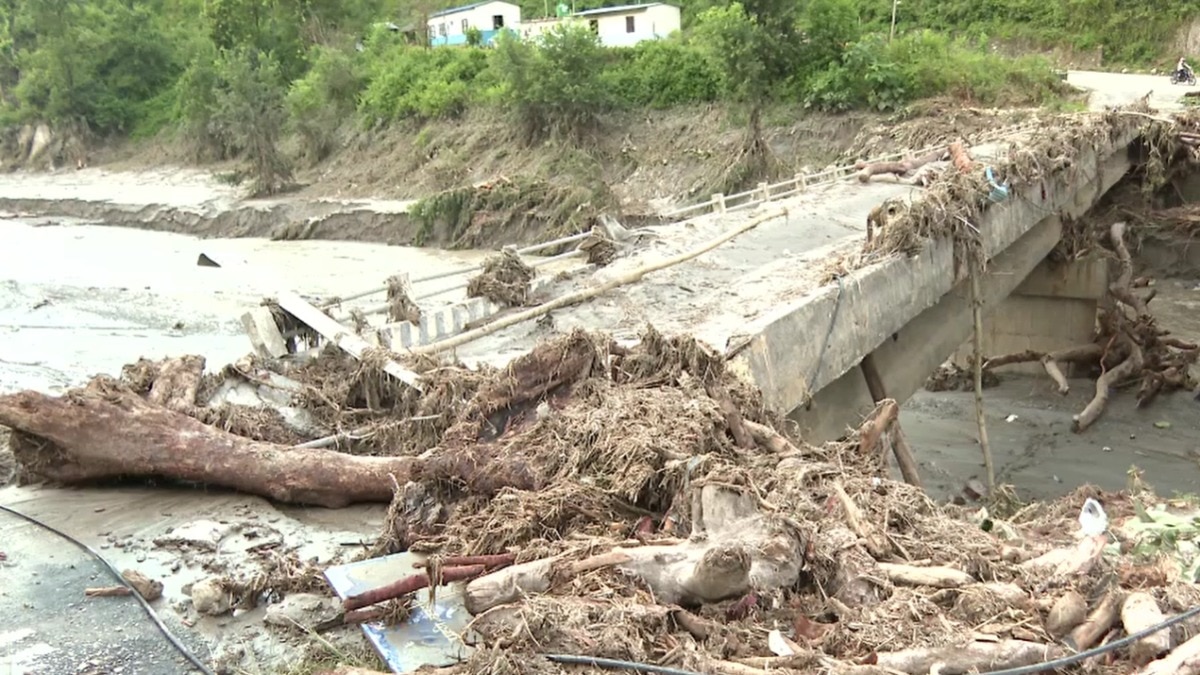
Catastrophic flooding in Nepal has caused massive destruction, with the Trishuli River washing away 35 motorable and 45 suspension bridges. Numerous homes have been swept away, leaving entire communities isolated.
- Extreme monsoon rainfall has triggered devastating floods in Nepal.
- A total of 80 bridges, including 35 motorable and 45 suspension bridges, have been destroyed.
- Widespread destruction of homes has left numerous families homeless.
The monsoon fury in Nepal has taken a catastrophic turn, with ground reports indicating widespread devastation across several districts. The Trishuli River has surged to unprecedented levels, unleashing a torrent that has decimated local infrastructure and residential areas. The scale of destruction is described by locals as a 'calamity' that has turned entire landscapes upside down.
According to recent reports, the structural damage is immense. A total of 35 motorable bridges and 45 suspension bridges have been washed away by the raging currents. The loss of these bridges has severed vital communication and transport links, isolating remote mountain villages from essential services and medical aid.
Why This Matters
BozokMedia analysis shows that the destruction of such a high number of bridges highlights the extreme vulnerability of Nepal's connectivity infrastructure to climate-induced weather extremes. When suspension bridges—the lifeline of rural Nepal—are lost, the socio-economic impact on marginalized communities is immediate and profound.
The recurring destruction of infrastructure in Nepal demands a radical shift toward climate-resilient engineering and proactive disaster management.
Beyond the infrastructure, the human cost is rising rapidly. The phrase 'homes after homes washed away' captures the grim reality on the ground. Entire clusters of houses situated near riverbanks have been swallowed by the floodwaters, leaving hundreds of citizens displaced and seeking refuge in temporary shelters.
Historical Background
Nepal's topography, characterized by steep terrain and fast-flowing river systems, makes it highly susceptible to flash floods and landslides during the monsoon season. In recent years, the intensification of the monsoon cycle, partly attributed to global warming and Himalayan glacial melt, has led to more frequent and violent flooding events in river basins like the Trishuli.
Frequently Asked Questions
Question 1: How many bridges were destroyed in the Nepal floods?
Answer: Reports confirm that 35 motorable bridges and 45 suspension bridges have been destroyed.
Question 2: What is the main cause of this devastation?
Answer: Extreme monsoon rainfall and the subsequent overflowing of the Trishuli River are the primary causes.