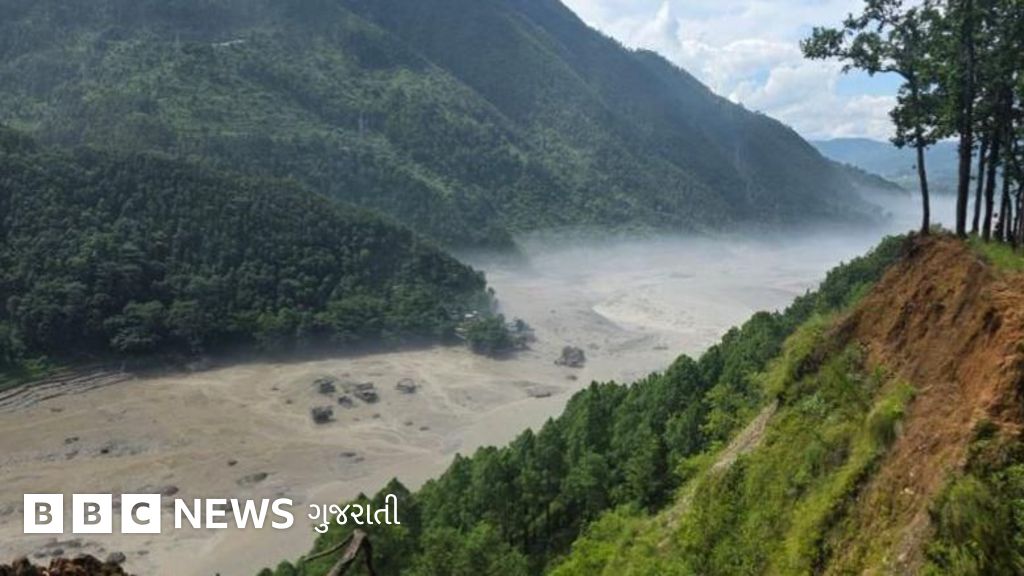
A catastrophic flood triggered by a glacier landslide has struck Nepal, causing widespread destruction of infrastructure and claiming at least 95 lives. Hundreds remain missing, including many foreign nationals.
- Catastrophic flooding triggered by a glacier landslide in Nepal.
- 95 confirmed deaths; 384 people reported missing, including 100+ Indians.
- India and China have pledged immediate support for rescue operations.
- High alert issued for coastal areas near the Trishuli River.
Nepal is grappling with a massive humanitarian and infrastructural crisis following unprecedented flooding near the China-Nepal border. Visual evidence from CCTV footage depicts a terrifying scene of muddy, high-velocity torrents swallowing roads, vehicles, and entire buildings in their path. The sheer force of the water has left a trail of destruction across several districts.
Humanitarian Impact and Missing Persons
The scale of the tragedy is immense. According to the Nepal Tourism Board, 384 people are currently untraceable, including 291 foreign nationals. Notably, more than 100 Indian citizens are among those missing. The Rasuwa district is facing the brunt of the crisis, with fears of significant loss of life continuing to rise as rescue teams struggle to navigate the terrain.
The suddenness of these glacial-triggered events leaves almost zero lead time for local communities to evacuate safely.
Global Diplomatic Response
International leaders have moved swiftly to address the disaster. Chinese President Xi Jinping has issued directives to accelerate search and rescue operations to locate the missing. Simultaneously, Indian Prime Minister Narendra Modi held a telephonic conversation with Nepalese Prime Minister Balendra Shah. Expressing deep condolences, PM Modi reaffirmed that India stands firmly with its Nepalese brothers and sisters, stating that Indian teams are working closely with Nepalese authorities to provide all possible humanitarian assistance.
Why This Matters
BozokMedia analysis shows that this event is a stark reminder of the vulnerability of the Himalayan region to climate-induced disasters. As glacial melting accelerates, the frequency of Glacial Lake Outburst Floods (GLOFs) is expected to rise, posing a permanent threat to the socio-economic stability of Nepal and surrounding regions.
Historical Background
The Himalayan belt has long been prone to seismic activity and seasonal flooding. However, the paradigm of these disasters has shifted from predictable monsoon cycles to unpredictable, high-intensity events caused by melting glaciers and unstable mountain slopes, making traditional disaster management protocols increasingly insufficient.
Frequently Asked Questions
Question 1: What caused the massive flooding in Nepal?
Answer: Preliminary reports indicate that a landslide in a glacier triggered the sudden and violent surge of water.
Question 2: How is India assisting Nepal in this crisis?
Answer: India has committed full humanitarian support, with specialized teams working alongside Nepalese officials for relief and rescue.


