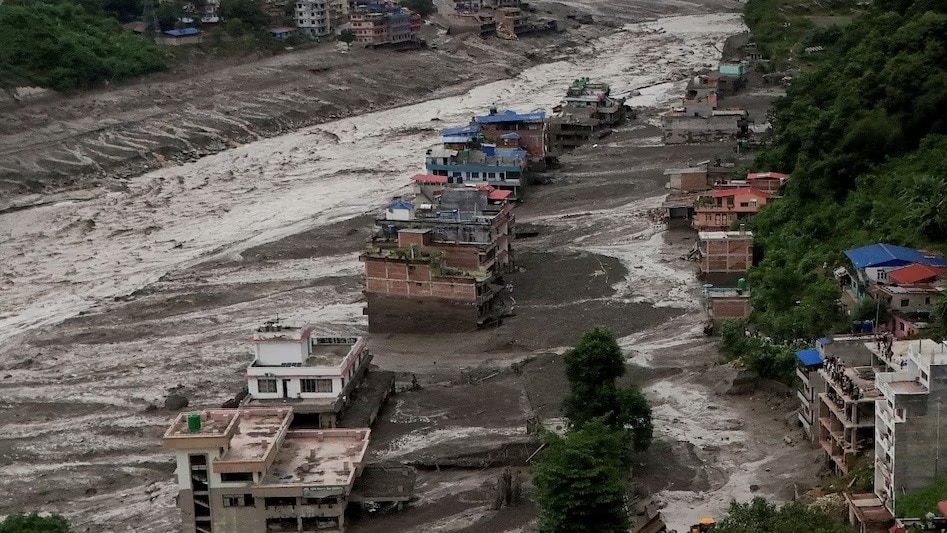
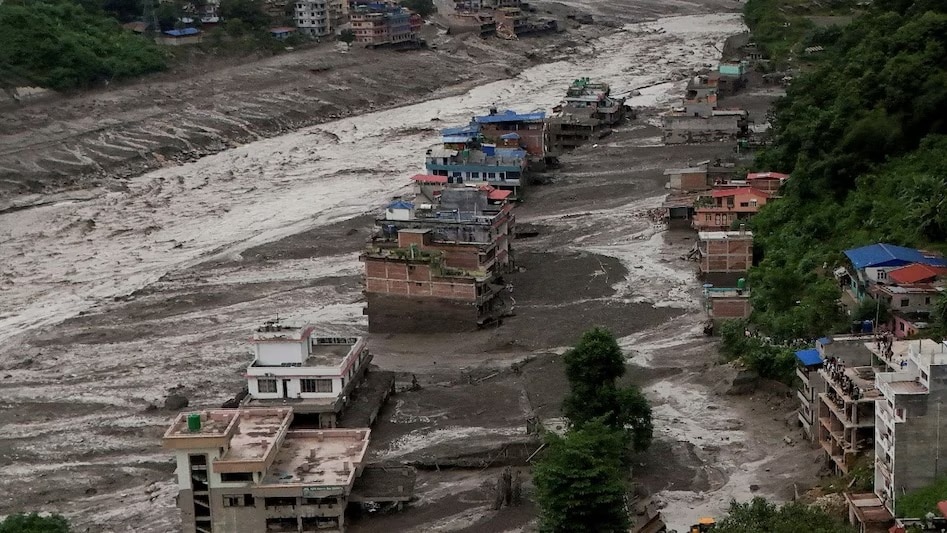
A catastrophic glacier collapse has triggered devastating flash floods across the Nepal-China border, leaving at least 270 dead and more than 1,300 people missing.
- Glacier collapse triggered massive flash floods across Nepal and Tibet.
- Death toll stands at 270, with over 1,300 people currently missing.
- Infrastructure damage includes dozens of destroyed bridges and 40km of ruined roads.
- International pilgrims and foreign nationals are among the missing.
A catastrophic torrent of floodwater and mud, triggered by a sudden glacier collapse, has swept through several communities along the Nepal-China border, resulting in one of the region's most devastating natural disasters. Authorities have confirmed that at least 270 people have lost their lives, while a staggering 1,300 people remain missing, including several foreign nationals and pilgrims traversing the Himalayan region.
Rescue operations are being severely hampered by widespread destruction of infrastructure. Nepali officials report that dozens of bridges have been washed away and nearly 40 kilometers (25 miles) of essential roads have been destroyed, cutting off many remote villages from emergency services. The Trishuli hydropower project area was also heavily impacted, necessitating urgent evacuations.
Why This Matters
BozokMedia analysis shows that the increasing frequency of glacial melt and sudden collapses in the Himalayan belt highlights a growing regional vulnerability to climate-induced disasters. This event underscores the urgent need for better early warning systems and resilient infrastructure in high-altitude zones.
The scale of this displacement and loss suggests that current regional disaster management frameworks must be urgently re-evaluated in the face of rapid glacial changes.
The Nepali Army has been at the forefront of the rescue efforts. Brigadier General Raja Ram Basnet stated that army helicopters successfully airlifted more than 100 people from isolated flood zones on Thursday. At least eight foreign nationals were evacuated to the capital, Kathmandu, for safety. Tragically, search teams discovered bodies approximately 100 kilometers downstream in the Chitwan district.
In Tibet, the situation is equally grim. According to China's state broadcaster CCTV, a massive mudslide near the Gyirong land border crossing has left roads buried under up to 2 meters (6 feet) of sludge, paralyzing movement in the area.
Historical Background
The Himalayan region is increasingly prone to Glacial Lake Outburst Floods (GLOFs). As global temperatures rise, glaciers melt at an unprecedented rate, creating unstable lakes that can burst without warning, sending walls of mud and water crashing into downstream valleys.
Frequently Asked Questions
Question 1: What is causing the search delays?
Answer: The destruction of bridges and significant damage to nearly 40km of roads are making it difficult for rescue teams to reach affected areas.
Question 2: Are there foreign nationals missing?
Answer: Yes, authorities have confirmed that foreign nationals and pilgrims are among the 1,300 people reported missing.