The US has launched 'Operation Economic Outcast' targeting Iran's key sectors, but geopolitical experts suggest the impact may be minimal due to Iran's established resistance economy.
- US has launched 'Operation Economic Outcast' targeting Iran's digital, tech, gold, and shipping sectors.
- Treasury Secretary Scott Bessent labeled the move 'Economic D-Day'.
- Sanctions target nearly 60 entities across China, UK, France, Singapore, UAE, and Ukraine.
- Iran's 'Resistance Economy' and control over the Strait of Hormuz provide significant leverage.
In a significant escalation of economic warfare, the United States has announced a massive new sanctions regime against Iran. US Treasury Secretary Scott Bessent has termed this move 'Operation Economic Outcast', referring to it as an 'Economic D-Day'. This strategy aims to paralyze the Iranian regime by targeting its digital assets, technology, gold, aviation, and shipping sectors.
The Office of Foreign Assets Control (OFAC) has sanctioned approximately 60 entities, including individuals and vessels across multiple jurisdictions. Notably, the sanctions extend beyond Iran's borders, affecting firms in China, the UK, France, Singapore, the UAE, and Ukraine. This move signals a pivot in Washington's strategy, moving away from direct military strikes toward a massive economic blockade.
Why This Matters
BozokMedia analysis shows that this shift in US policy reflects a growing realization that military intervention has failed to dislodge the Iranian government. As both nations enter a de facto ceasefire, the battleground has moved from the battlefield to the global financial system. However, the effectiveness of this blockade is questionable given Iran's strategic positioning.
Historically, aggressive US sanctions have often consolidated power within the Iranian regime rather than weakening it.
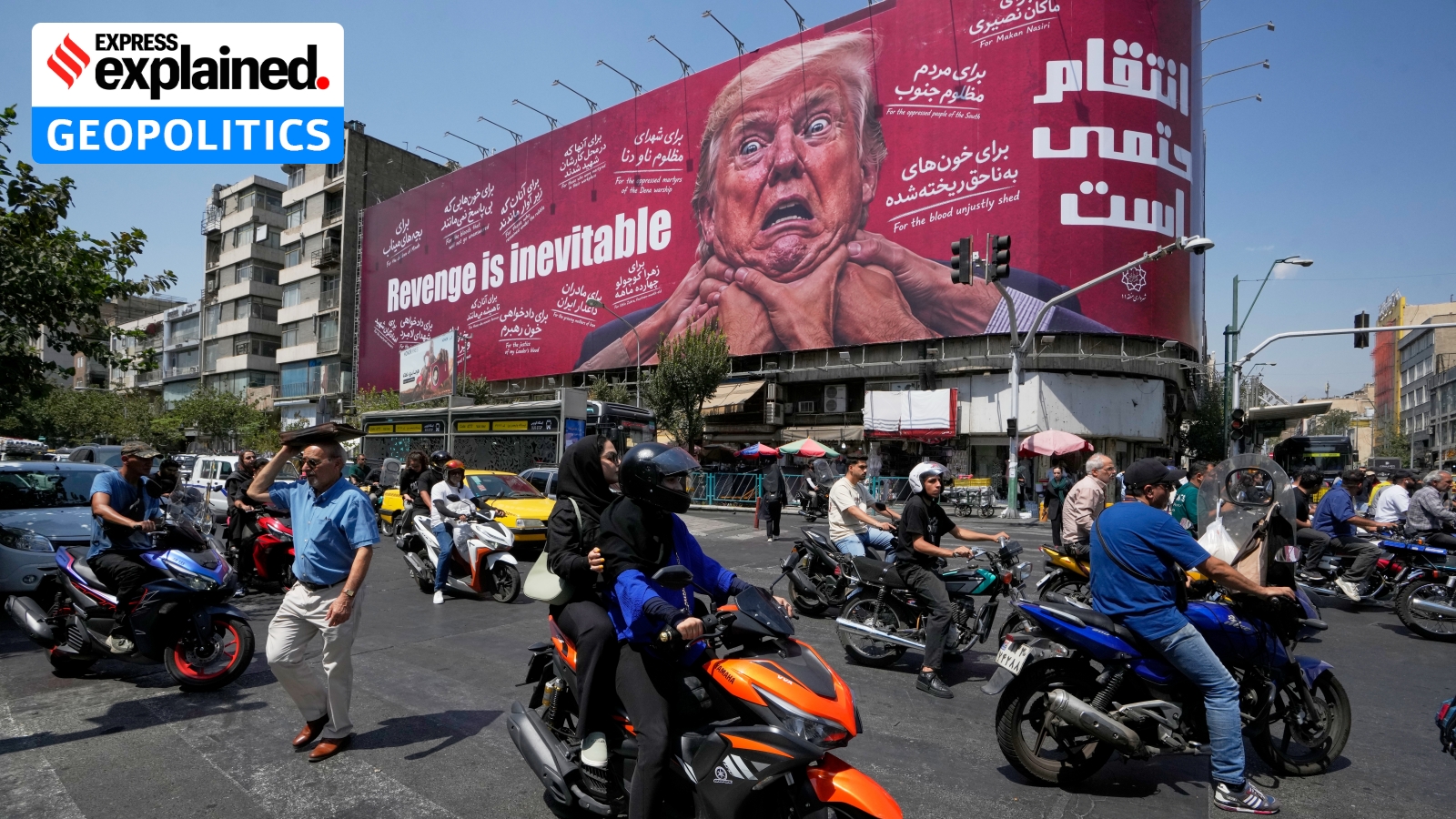
Despite the aggressive framing, these sanctions are an intensification of a decades-long policy. Since the 1979 revolution, Iran has been one of the most sanctioned nations in history. While the Iranian rial has faced near-freefall, reaching approximately 2 million rial per US dollar, the regime has successfully institutionalized a 'Resistance Economy'.
Historical Background
The history of US-Iran economic tension is cyclical. The Trump administration previously employed a 'maximum pressure' campaign during its first term (2017-2021). While the Joe Biden administration offered some relief, the current administration has doubled down on these measures. This cycle has forced the Iranian populace to normalize living under extreme economic duress, creating a sense of national solidarity that often works against the intended goals of US coercion.
Furthermore, Iran's recent ability to maintain control over the Strait of Hormuz following the US-Israeli conflicts gives them significant economic leverage that didn't exist in previous decades of sanctions.
Frequently Asked Questions
1. What sectors are being targeted by the new US sanctions?
The sanctions focus on Iran's digital assets, technology, gold, aviation, and shipping industries.
2. How is Pakistan involved in this situation?
Pakistan's Chief of Defence Forces, Asim Munir, is engaging in mediation efforts to promote regional stability amid the rising tensions.