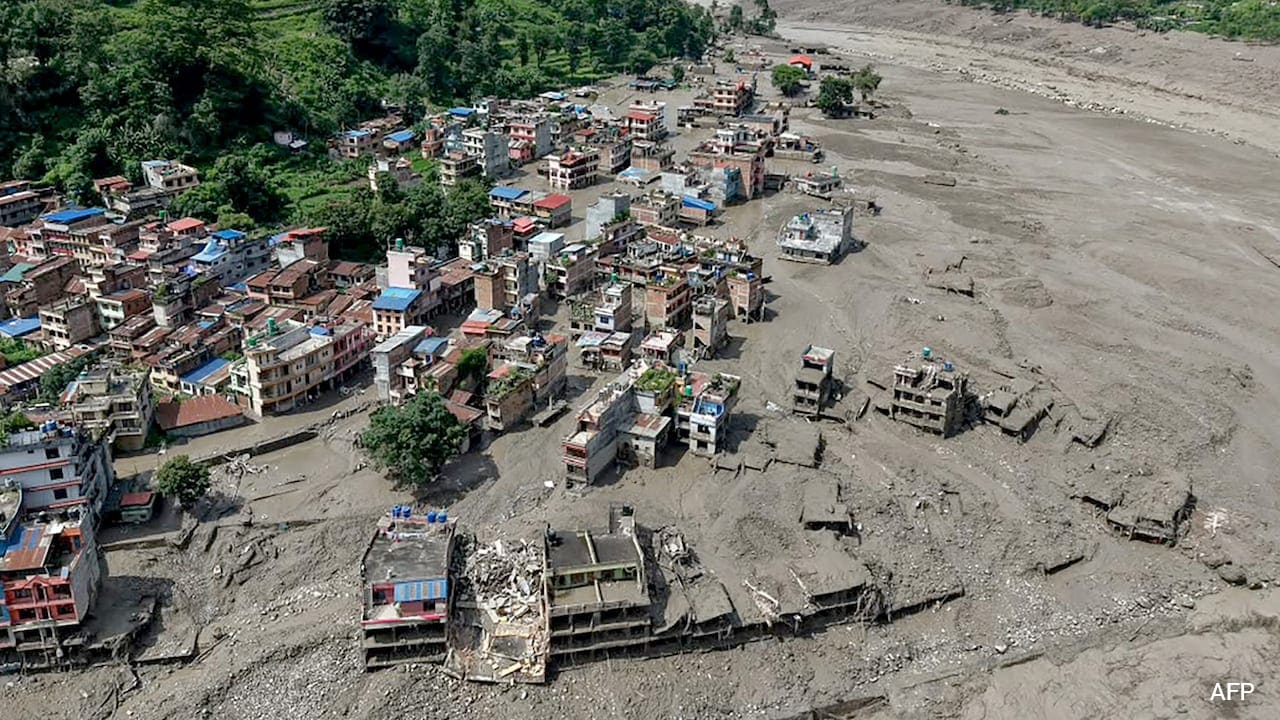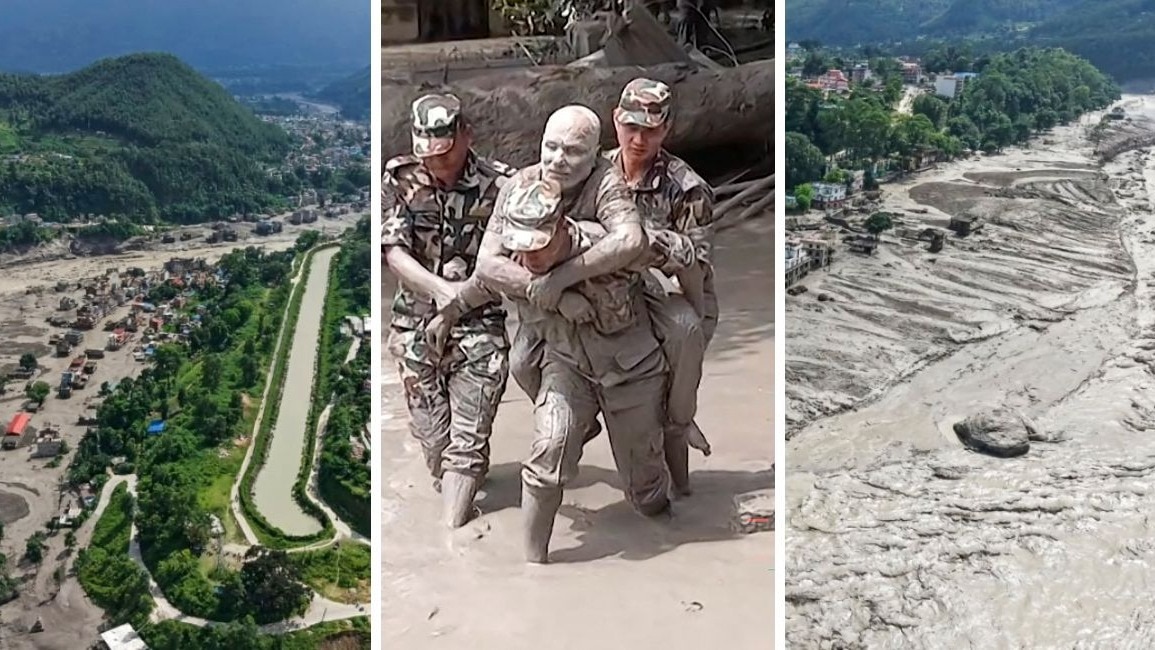
A massive surge in the Bhote Koshi river, triggered by Himalayan fissures and landslides, has caused widespread destruction in Nepal. Dive into the details of this mountain catastrophe.
- Himalayan fissures and landslides caused a sudden, massive surge in the Bhote Koshi river.
- The devastating flood has severely impacted local infrastructure and human settlements.
- Climate change and Himalayan instability are identified as primary underlying drivers.
Terrifying reports are emerging from the high-altitude regions of Nepal, where the Bhote Koshi River has transformed into a torrent of destruction. Following geological shifts and cracks appearing in the Himalayan slopes, the river's volume increased so rapidly that local communities were caught completely off guard. This event is being viewed not just as a natural disaster, but as a grim indicator of the increasing fragility of the Himalayan ecosystem.
According to local reports, massive amounts of debris, rocks, and sediment were pushed into the riverbed due to structural cracks in the mountains. This turned the Bhote Koshi into a 'river of death,' characterized by extreme velocity and immense force. The surge has reportedly swept away bridges, damaged critical road networks, and threatened remote settlements, leaving a trail of devastation in its wake.
Why This Matters
BozokMedia analysis shows that such flash floods in the Himalayan belt are becoming increasingly frequent and unpredictable. The combination of melting glaciers and geological instability makes this region one of the most vulnerable zones to global climate change. Without significant upgrades to disaster management and resilient infrastructure, the human and economic cost will continue to escalate.
The sudden surges in Himalayan rivers are a direct consequence of the increasing geological instability caused by shifting tectonic pressures and erratic weather.
Historically, Nepal's river systems have been powerful, but the intensity of recent extreme weather events suggests a shift in the regional climate pattern. This catastrophe serves as a stark warning to the millions living in the shadow of these mountains regarding the unpredictable nature of the changing landscape.
Frequently Asked Questions
Question 1: What caused the sudden rise in the Bhote Koshi river?
Answer: Geological fissures in the Himalayas led to massive landslides, which dumped immense amounts of debris into the river.
Question 2: Is climate change linked to this event?
Answer: Yes, experts suggest that rising temperatures and extreme weather patterns are exacerbating the instability of the Himalayan terrain.