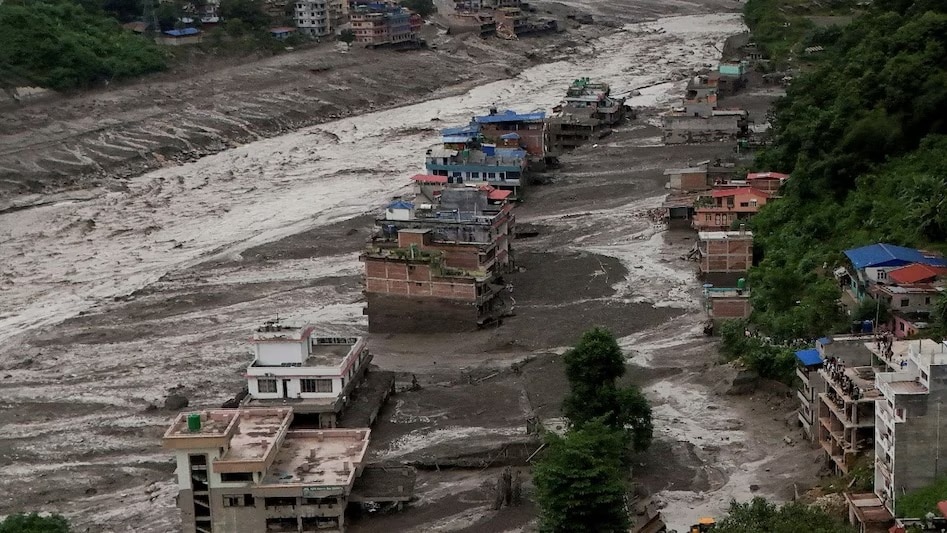
Devastating floods and landslides in Nepal have claimed over 250 lives, leaving 1,500 people missing. Families in Kathmandu are desperate for news as rescue operations struggle against broken infrastructure.
- Over 250 confirmed deaths following massive landslides and floods in Nepal.
- Approximately 1,500 people remain missing, including an estimated 800 foreign nationals.
- The disaster was triggered by a massive avalanche on the Langtang Lirung peak.
- Critical infrastructure, including six major hydropower plants, has been destroyed.
The landscape of Nepal has been transformed into a scene of absolute devastation. As rescue operations continue, the cries of grieving families echo through the streets of Kathmandu. Outside the Tribhuvan University Teaching Hospital, the atmosphere is thick with desperation and uncertainty.
Among the crowd is Subina Tamang, a woman whose life has been upended by the tragedy. Searching for her missing husband, her voice trembled as she shared her only wish: "I just want my husband to return to me safe and sound. I don't want anything else." Her words encapsulate the profound human suffering currently unfolding across the nation.
Why This Matters
BozokMedia analysis shows that the scale of this disaster highlights the extreme vulnerability of Himalayan communities to rapid geological shifts. The destruction of vital infrastructure, such as the Girong Port trade center and multiple hydropower plants, signifies a long-term economic blow to the region that extends far beyond immediate casualties.
According to official reports, the death toll has surpassed 250, while the number of missing persons stands at a staggering 1,500. Crucially, nearly 800 of those missing are reported to be foreign nationals, elevating this from a local disaster to a significant international humanitarian crisis.
The sudden influx of debris from high-altitude avalanches into river systems creates a 'wall of water' effect that is nearly impossible to predict or survive.
The scientific consensus points to a massive avalanche on the northern slopes of the Langtang Lirung peak. This landslide sent a colossal amount of debris into the Lhende Khola river, causing it to swell into a violent torrent that decimated towns and valleys downstream.
Historical Context and Infrastructure Impact
Nepal's topography, while beautiful, is geologically volatile. The Bhote Koshi river, known for its powerful currents, has once again demonstrated its destructive potential when triggered by mountain instability. The current disaster has caused rivers to change course for over 100 kilometers near the Indian border.
| Impact Metric | Details |
|---|---|
| Confirmed Fatalities | 250+ |
| Total Missing | ~1,500 |
| Missing Foreigners | ~800 |
| Hydropower Plants Lost | 6 Major Plants |
Frequently Asked Questions
Question 1: How are victims being transported to hospitals?
Answer: Due to washed-out roads and severed ground connectivity, many injured victims are being airlifted via helicopters.
Question 2: What caused the sudden flooding?
Answer: A massive avalanche on the Langtang Lirung peak triggered a landslide into the river, causing sudden and extreme water surges.