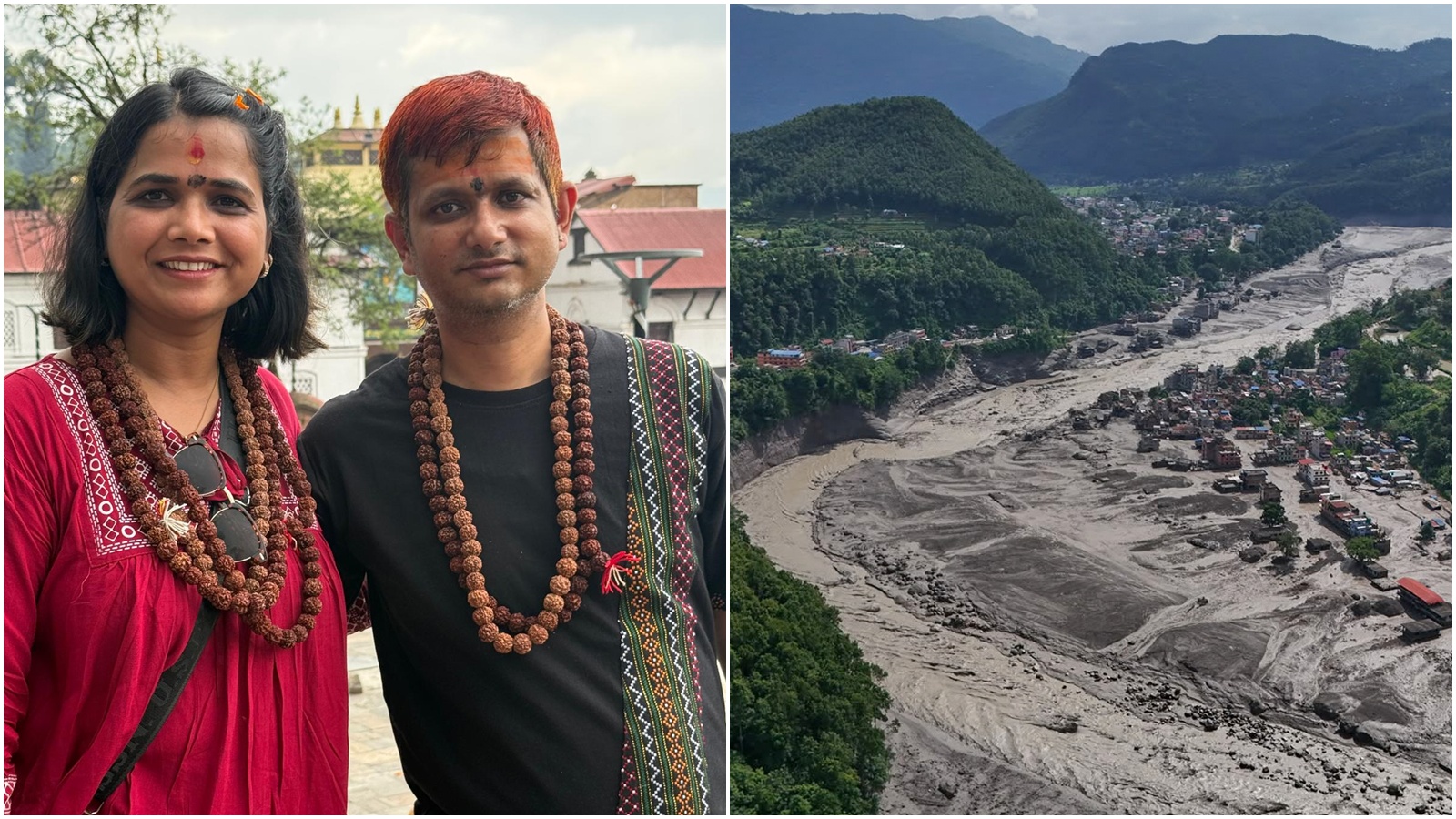
A catastrophic landslide and glacial collapse have triggered massive flooding across Nepal and China's Tibet region, leaving over 1,300 people missing.
- A massive collapse of mud and rock into a Himalayan river triggered catastrophic flooding.
- Over 1,300 people are missing across Nepal and Tibet, including 700+ foreign nationals.
- At least 165 deaths have been confirmed, with the toll expected to rise.
A devastating surge of mud, rock, and water triggered by a massive Himalayan collapse has left more than 1,300 people missing across Nepal and China’s Tibet region. Authorities have confirmed that the disaster has caused widespread destruction in local towns and valleys. In Nepal, police officials confirmed that nearly 500 foreigners are among the 826 people currently missing in the country.
Rising Death Toll and Global Impact
Nepalese police spokesperson Abi Narayan Kafle stated that the confirmed death toll of 165 is expected to rise significantly as search operations resume. The missing include a diverse group of international travelers: 177 from India, 63 from the United States, 34 from Australia, 33 from the United Kingdom, and 25 from Canada.
Devastation in Tibet
Across the border in Gyirong County, Tibet, the situation is equally dire. According to China's state broadcaster CCTV, 558 people are reported missing, including 260 foreign nationals. Video footage has captured the terrifying moment rapid torrents of debris swept away people and infrastructure at the border crossing.
Why This Matters
BozokMedia analysis shows that this event highlights the increasing vulnerability of high-altitude pilgrimage routes. As climate patterns shift, the stability of glacial regions becomes a critical concern for international tourism and regional security.
The seismic energy recorded was not a traditional earthquake but the violent kinetic force of a glacial collapse.
While early reports suggested a magnitude 4.4 earthquake triggered the event, the US Geological Survey clarified that the seismic activity was actually the result of a massive debris flow caused by the sudden collapse of glacial rock and ice.
Historical Background
The Himalayan range is one of the most seismically active regions in the world. Historically, flash floods and landslides have been common, but the increasing frequency of such extreme events is being linked by scientists to the melting of glaciers and the destabilization of mountain slopes due to warming temperatures.
Frequently Asked Questions
Question 1: Who is involved in the rescue operations?
Answer: Over 5,000 army and police personnel in Nepal, supported by helicopters and international aid, are conducting rescue efforts.
Question 2: Are there further risks in the region?
Answer: Yes, Chinese authorities have warned that a still-dammed lake upstream in Gyirong poses a secondary risk of further flooding.