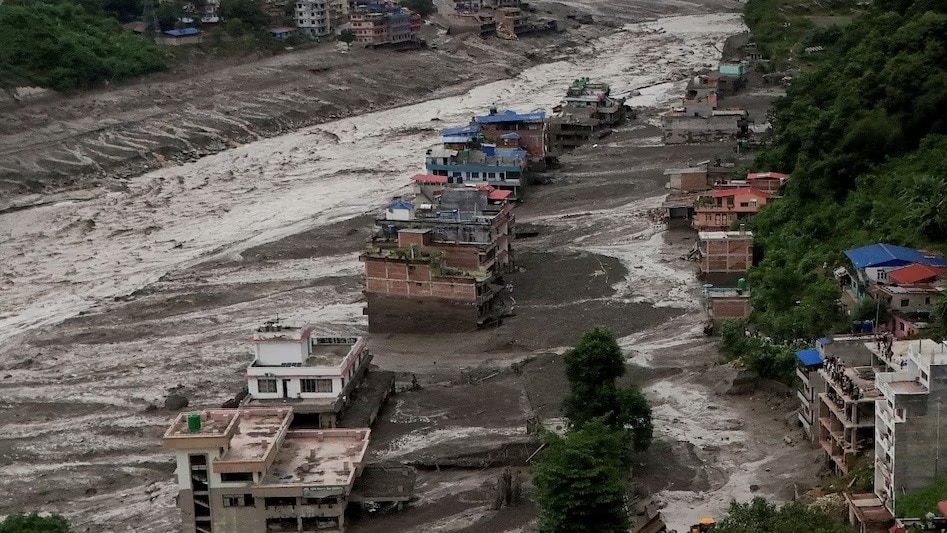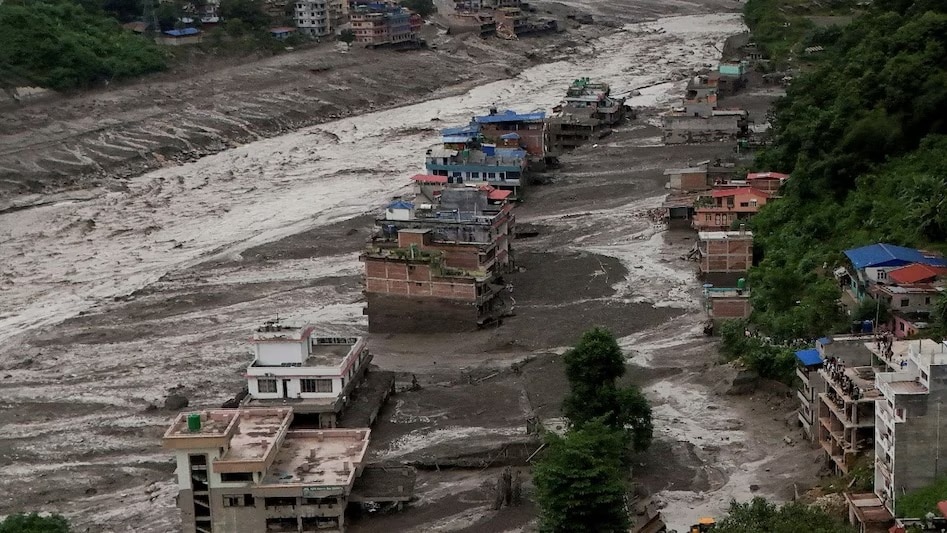
A catastrophic flash flood on the Nepal-Tibet border has claimed over 175 lives and left 800 missing. Survivors describe a terrifying scene where entire families were swallowed by mud and debris in seconds.
- Over 175 fatalities confirmed and 800 people reported missing following massive flash floods.
- The force of the deluge was so intense that seismologists initially mistook it for an earthquake.
- Entire villages along the Nepal-Tibet border have been decimated by mud and debris.
The scale of devastation unleashed by the massive flash floods in Nepal is nothing short of apocalyptic. On Wednesday, torrents of mud and water tore through villages situated along the border of Nepal and Tibet, leaving a trail of destruction that has claimed at least 175 lives and left over 800 people missing. The sheer power of the event was so immense that seismologists initially flagged the tremors as potential earthquake activity.
Survivors are struggling to process the unimaginable trauma of watching their loved ones disappear. Kalpana Malla, a resident of the Nuwakot district, shared a harrowing account with the BBC. "My family members were swept away by the flood in front of my eyes," she said, describing how her father, mother, sister, and her sister's children were all taken by the water. Malla and her son, Sugam Malla, managed to survive by clinging to a rooftop, but the emotional toll of their loss is immeasurable.
Why This Matters
BozokMedia analysis shows that these sudden-onset disasters in the Himalayan region pose an existential threat to local communities. The combination of steep terrain and extreme weather patterns makes flash floods in these areas particularly lethal, often leaving zero time for evacuation.
"This flood took everything, but my son and me climbed the rooftop to survive," said a survivor.
The economic impact is equally catastrophic. Beyond the loss of life, the floods have wiped out the livelihoods of thousands. Goma Pandit, another survivor, lamented the loss of her livestock and agricultural assets, noting that her farmland, mustard seeds, and entire grain stocks were swallowed by the mud. For many, the disaster has not just taken their families, but their entire means of survival.
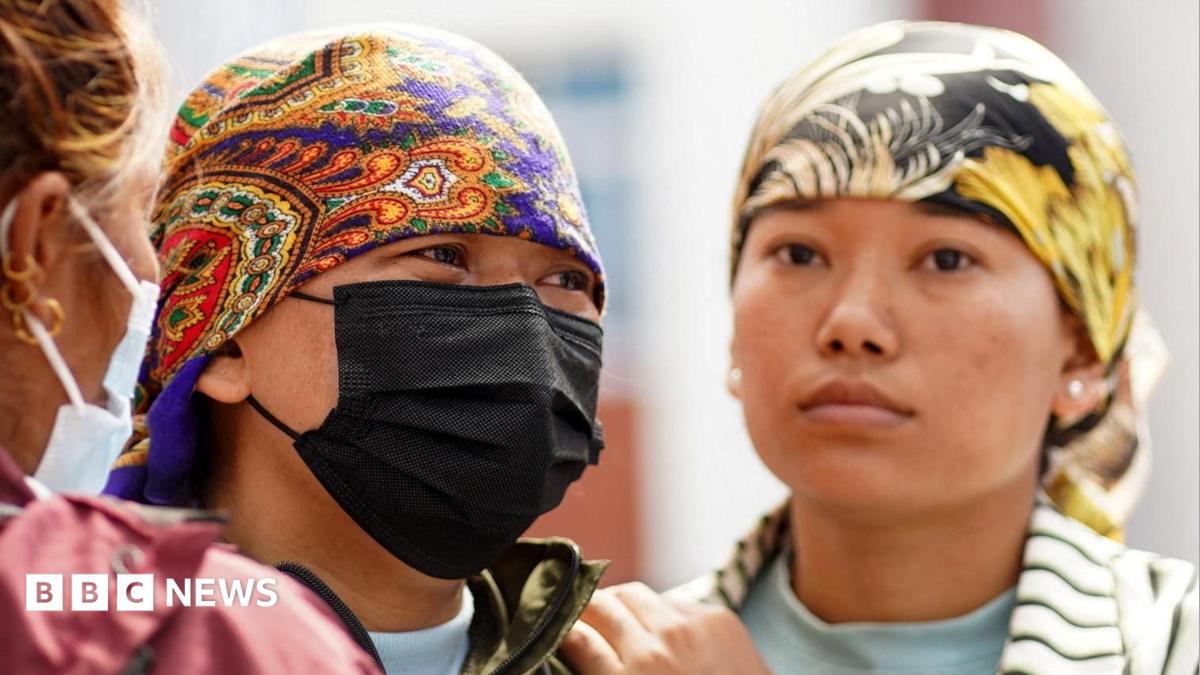
In Kathmandu, at the TU Teaching Hospital, the atmosphere is one of desperate waiting. Families of the missing are congregating, hoping for news that may never come. Ram Khumari Shrestha and Mani Shrestha Bishwa are among those waiting anxiously for relatives who went silent as the floods struck. Trekking guide Sonam Dorjee, who narrowly escaped the wrath of the water in Rasiwa Syafru, described the sound of the approaching flood as being akin to a massive earthquake.
Frequently Asked Questions
Question 1: How many people are currently missing in the Nepal floods?
Answer: Authorities report that approximately 800 people remain missing following the devastating floods.
Question 2: Why was the flood mistaken for an earthquake?
Answer: The massive volume of water and debris moving through narrow valleys created seismic vibrations that mimicked earthquake patterns.