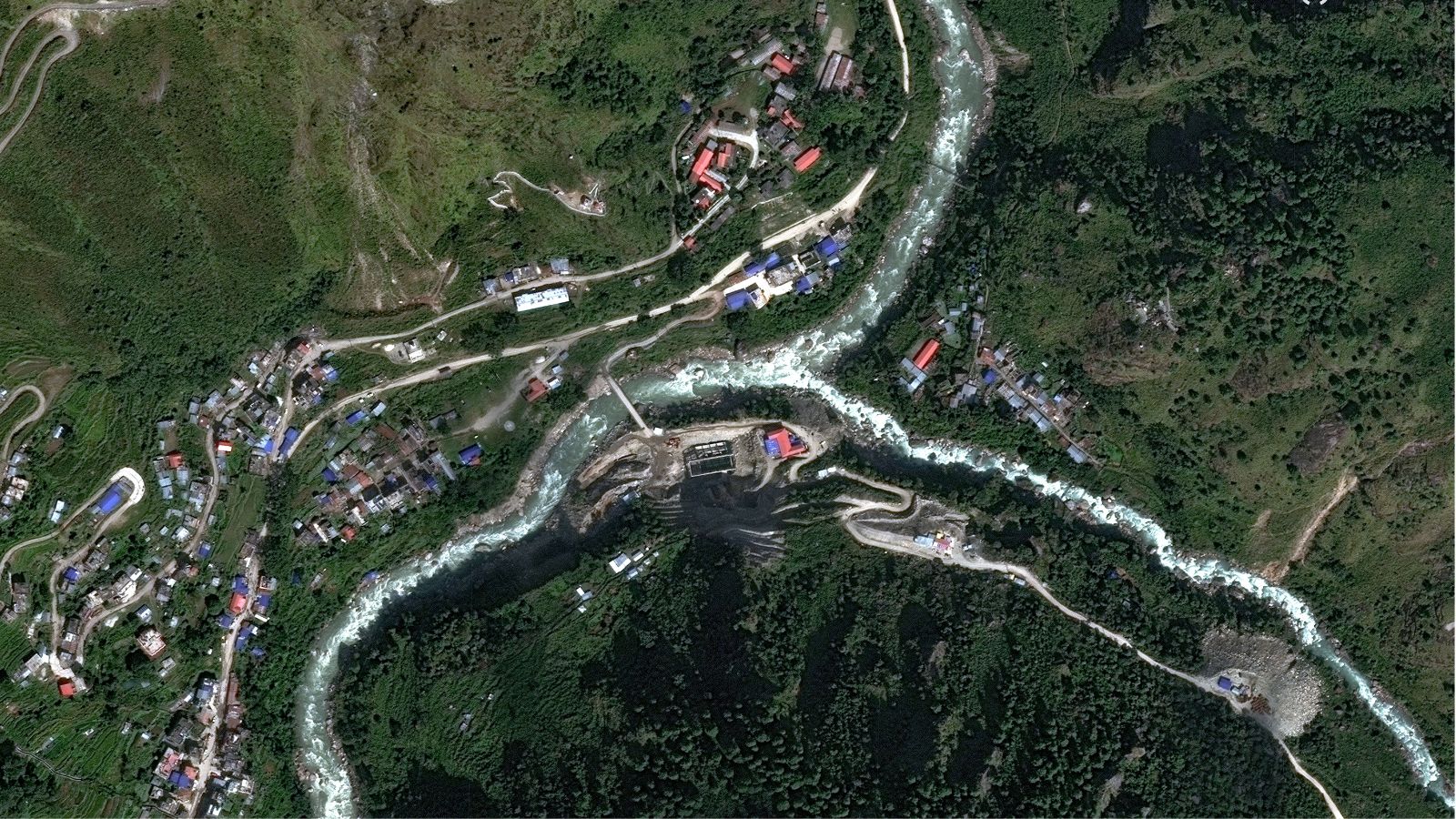
A devastating flash flood triggered by a hanging glacier collapse in Nepal and China has left people from over 30 nations missing. India's NDMA is launching a study to mitigate similar risks in vulnerable Indian regions.
- Massive flash floods in Nepal and China triggered by glacier collapse.
- Citizens from more than 30 different nations reported missing.
- India's NDMA to conduct a comprehensive study to prevent future disasters.
The catastrophic flash floods sweeping through parts of Nepal and China have escalated into a global humanitarian crisis. Reports indicate that individuals from more than 30 countries are currently missing following the sudden deluge. The primary driver of this devastation is believed to be the sudden collapse of a hanging glacier, a phenomenon that sends massive volumes of water and debris downstream with unstoppable force.
In the wake of this tragedy, the National Disaster Management Authority (NDMA) in India has moved into high alert. Given the geological similarities between the disaster zones in Nepal and several high-risk regions in India, the Indian disaster management setup is closely monitoring the situation to prepare for potential domestic threats.
Why This Matters
BozokMedia analysis shows that the increasing frequency of Glacial Lake Outburst Floods (GLOFs) and hanging glacier collapses is a direct consequence of rapid glacial melting. As the Himalayan ecosystem destabilizes, the risk to downstream populations—not just in Nepal, but across South Asia—is reaching critical levels.
The collapse of hanging glaciers represents one of the most unpredictable and lethal geological hazards in high-altitude terrains.
Krishna Swaroop Vatsa, a member of the NDMA, stated on Thursday that the authority plans to initiate a detailed study of the Nepal event. He emphasized that many areas in India are equally vulnerable to such disasters, making it imperative to understand the mechanics of this collapse to enhance early warning systems and mitigation strategies.
Historical Background
Hanging glaciers are ice masses that cling to steep mountain slopes. When they collapse, they often trigger a chain reaction of avalanches and floods. Over the last decade, climate change has accelerated the warming of the Himalayan range, leading to increased instability in these ice structures, making such 'flash' events more frequent and more violent than in previous decades.
Frequently Asked Questions
Question 1: What caused the flash flood in Nepal?
Answer: The primary cause is identified as the collapse of a hanging glacier, which sent a massive surge of water through the valleys.
Question 2: How is India responding to this event?
Answer: The NDMA is planning a comprehensive study of the disaster to help protect vulnerable Indian Himalayan regions from similar occurrences.