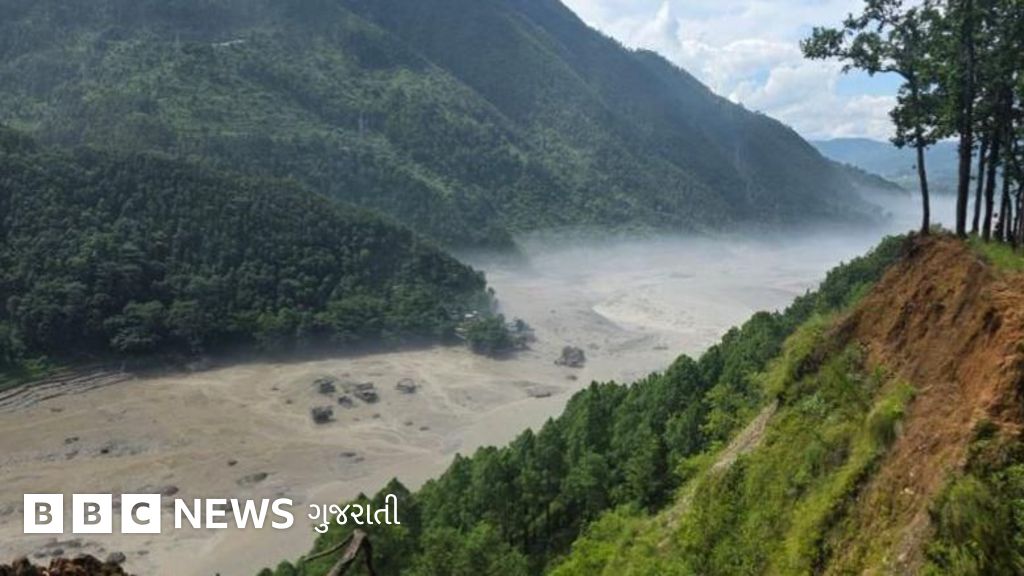
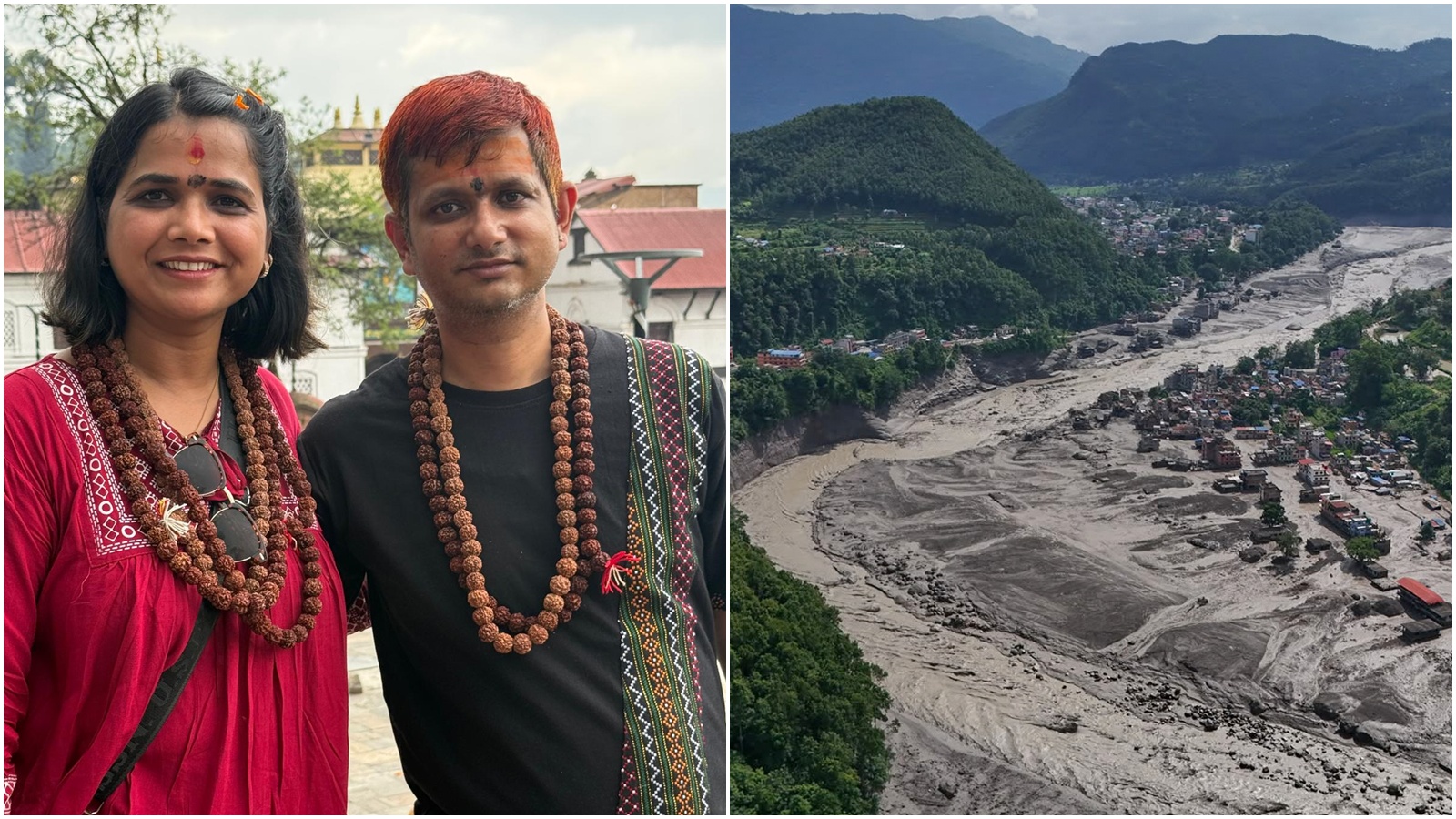
The U.S. Geological Survey (USGS) has debunked initial reports of an earthquake, identifying a massive glacial collapse and debris flow as the true trigger for Nepal's devastating flash floods.
- USGS analysis confirms no earthquake triggered the Nepal floods.
- The disaster was caused by a massive glacial collapse and subsequent debris flow.
- The surge consisted of a lethal mix of ice, rocks, mud, and water.
The devastating flash floods that recently ravaged Nepal have left a trail of destruction, claiming numerous lives and crippling essential infrastructure. While initial speculation pointed toward a seismic event triggering landslides and river blockages, the U.S. Geological Survey (USGS) has provided a definitive scientific explanation that contradicts those early reports.
According to the USGS, there was no earthquake. Instead, the catastrophe was triggered by a massive glacial collapse. The sudden movement of the glacier and the resulting debris flow generated seismic signals that were initially mistaken for tectonic activity. This collapse unleashed a catastrophic surge of ice, rocks, mud, and water that raced downstream with unstoppable force.
Why This Matters
BozokMedia analysis shows that the increasing frequency of such events in the Himalayan region is a direct consequence of rapid glacial melting. As glaciers become unstable due to rising global temperatures, the risk of Glacial Lake Outburst Floods (GLOFs) and sudden collapses increases, posing a catastrophic threat to downstream communities and regional stability.
The seismic signatures produced by massive debris flows can closely mimic earthquake patterns, making rapid, accurate scientific assessment vital during such crises.
The sheer volume of the debris flow was enough to overwhelm existing flood defenses and destroy bridges, roads, and homes. The humanitarian impact has been profound, with reports indicating significant casualties and hundreds of individuals still missing in the affected zones. International relief efforts, including those from India, have been mobilized to assist in the recovery phase.
Historical Background
The Himalayan mountain range is one of the most geologically active and climatically sensitive regions in the world. Historically, landslides and river blockages have been common, but the modern era has seen an uptick in glacier-related disasters driven by anthropogenic climate change, making the terrain increasingly unpredictable.
Frequently Asked Questions
Question 1: Was the Nepal flood caused by an earthquake?
Answer: No, the USGS confirmed that the seismic signals were caused by a glacial collapse and debris flow, not an earthquake.
Question 2: What exactly happened during the collapse?
Answer: A massive section of a glacier collapsed, creating a surge of ice, mud, and rocks that flowed downstream as a devastating flash flood.