Iran and Oman have finalized a landmark agreement regarding the revenue sharing of the Strait of Hormuz. The news comes amid security concerns following a projectile strike on a tanker in the region.
- Iran and Oman agreed on revenue sharing for the Strait of Hormuz.
- Iranian officials blamed US obstruction for previous negotiation delays.
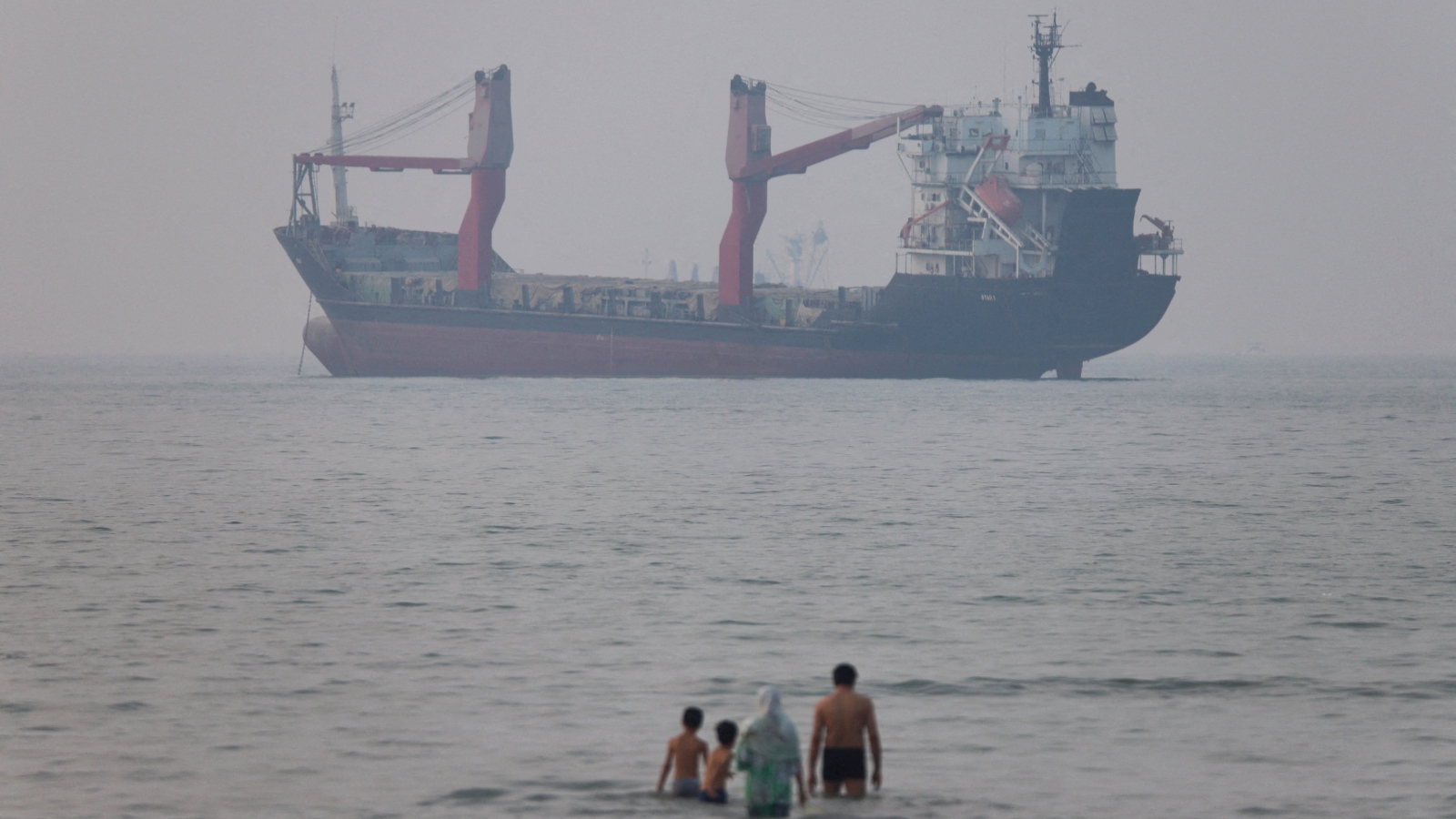
- An unknown projectile struck a tanker in the Strait, causing a fire.
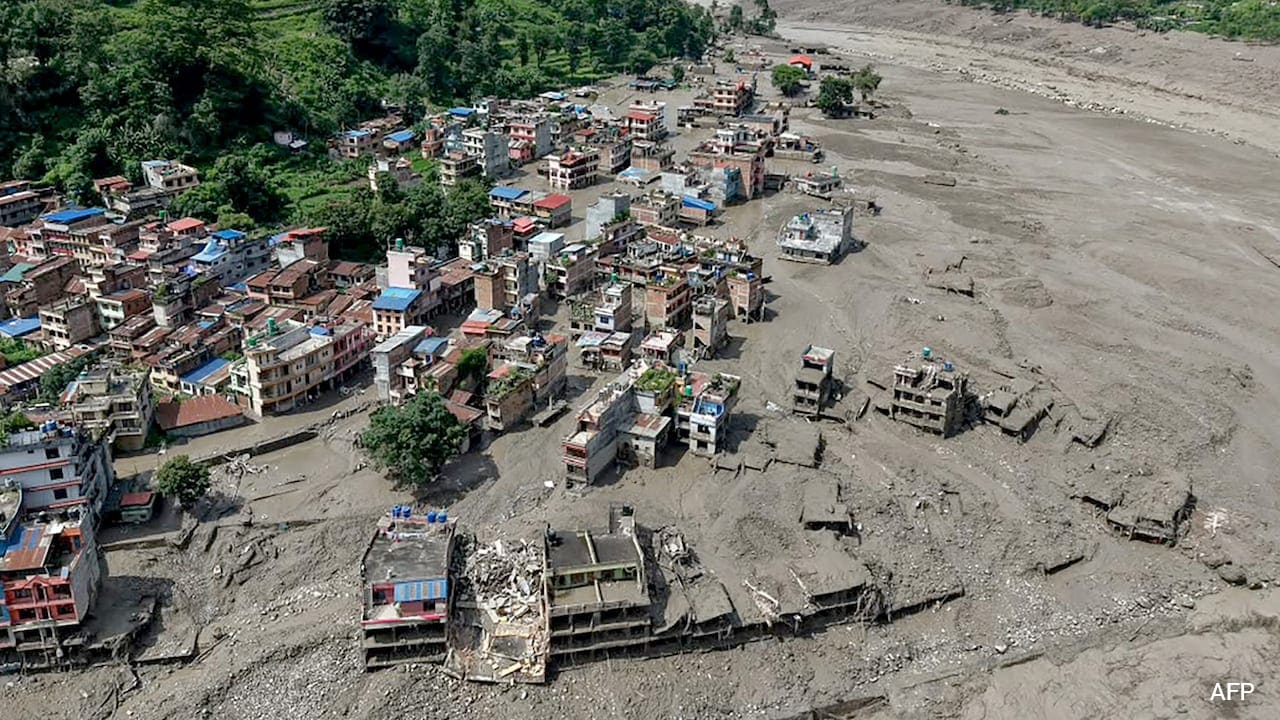
- Flash floods in Nepal and Tibet have claimed at least 160 lives.
In a significant development for Middle Eastern geopolitics, Iran and Oman have reached an agreement regarding the management and revenue sharing of the Strait of Hormuz. According to the semi-official Tasnim news agency, citing a spokesperson for the Revolutionary Guards, the two nations have settled their respective shares of the vital maritime corridor's revenues.
Security Concerns Amidst Diplomatic Moves
The diplomatic breakthrough coincides with heightened maritime tensions. The United Kingdom Maritime Trade Operations (UKMTO) reported that an unidentified projectile struck a tanker navigating the Strait, igniting a fire. While the fire was successfully doused and all crew members are reported safe, the incident underscores the volatility of this critical waterway. No environmental damage has been reported thus far.
Geopolitical Implications and US Involvement
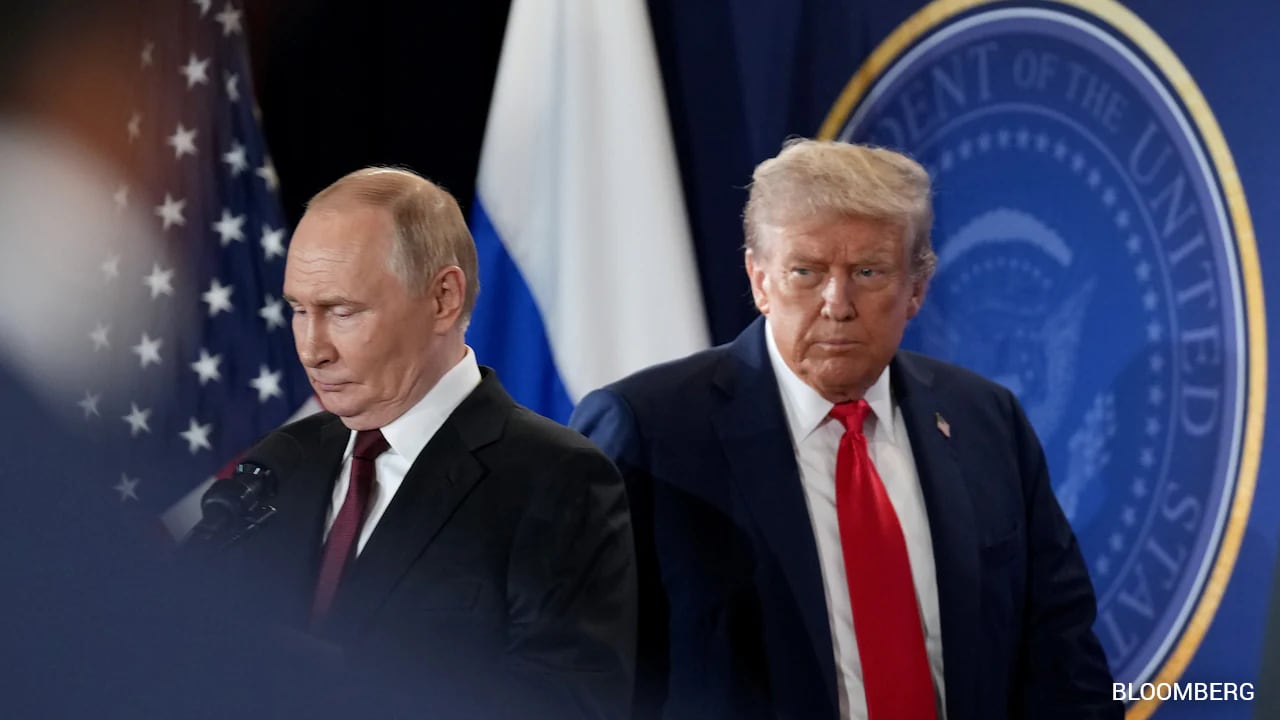
BozokMedia analysis shows that the timing of this agreement is highly significant. The Iranian spokesperson explicitly claimed that the United States had been obstructing negotiations, leading to prolonged delays in reaching this consensus. This highlights the ongoing friction between Tehran and Washington regarding maritime control in the Persian Gulf.
The ability of regional players to bypass Western influence through bilateral agreements could redefine maritime security in the Middle East.
Beyond the Middle East, the global news landscape is marked by tragedy and political tension. In Nepal and Tibet, catastrophic flash floods in the Bhote Koshi River have resulted in at least 160 confirmed deaths. Meanwhile, in the United States, Federal Reserve Governor Lisa Cook has challenged the Trump administration's legal authority to remove her from her position.
Why This Matters
The Strait of Hormuz is arguably the world's most critical oil transit chokepoint. Any shift in how its revenues are managed or how its security is handled has an immediate and profound impact on global energy markets and international stability.
Frequently Asked Questions
Question 1: What was the cause of the fire on the tanker in the Strait?
Answer: The fire was caused by an unknown projectile striking the vessel, according to UKMTO reports.
Question 2: Did the US play a role in the Iran-Oman negotiations?
Answer: Iranian officials claimed the US actively obstructed the negotiations, causing delays.