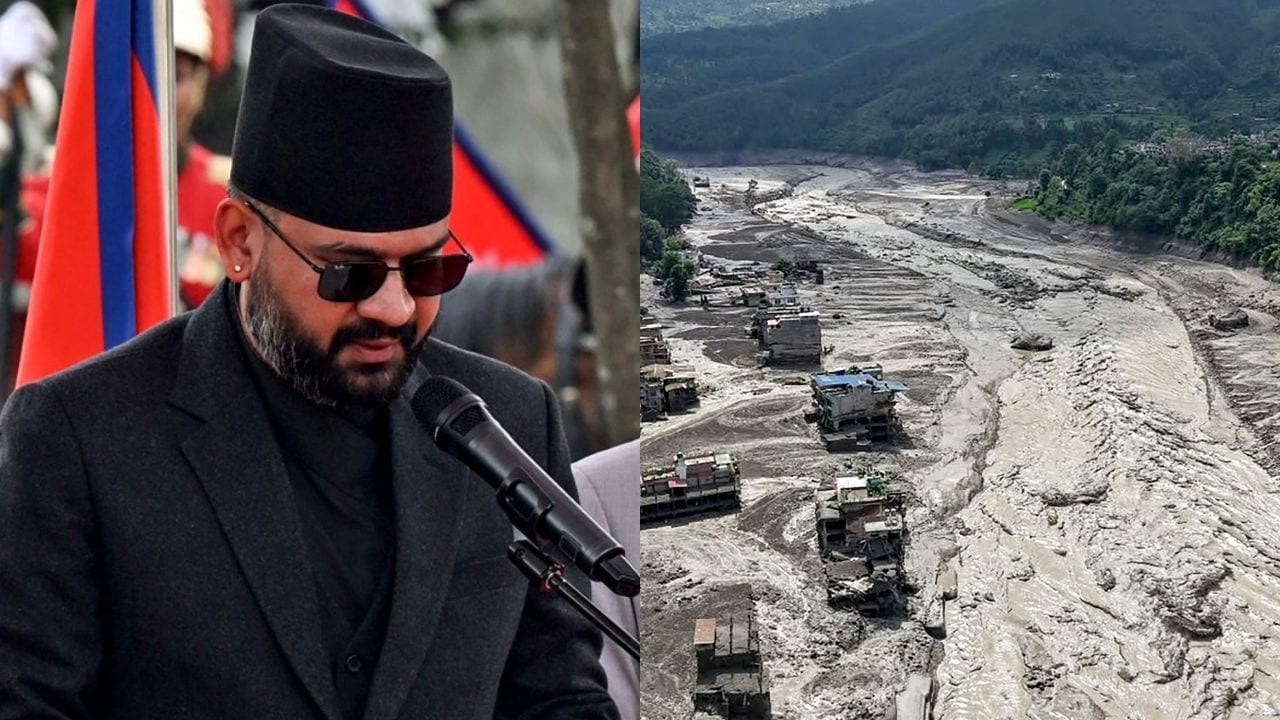
Devastating flash floods and landslides in Nepal and Tibet have claimed at least 165 lives, triggering a massive humanitarian crisis. The Nepali Army has launched extensive search and rescue operations, successfully evacuating over a hundred stranded citizens from the worst-hit Rasuwa district.
- At least 165 casualties reported across Nepal and Tibet due to catastrophic flash floods.
- The Nepali Army successfully rescued 116 stranded individuals from Timure in Rasuwa district.
- Prime Minister Balendra Shah has declared the situation an unprecedented disaster, pledging full state mobilization.
A catastrophic wave of flash floods and landslides triggered by relentless torrential rains has wreaked havoc across Nepal and neighboring Tibet, claiming the lives of at least 165 people. The disaster has prompted the mobilization of the country's elite military units as search and rescue operations intensify. Nepal's Prime Minister Balendra Shah has officially classified the ongoing crisis as an "unprecedented disaster," urging national solidarity and immediate international assistance to cope with the massive destruction.
According to official statements from the Prime Minister's office, the Nepali Army has been deployed to the hardest-hit regions to conduct high-risk rescue missions. In the remote Timure area of the Rasuwa district, military personnel successfully evacuated 116 stranded individuals who were trapped by rising floodwaters and debris. Despite severe weather conditions and blocked arterial highways, emergency responders are working tirelessly to reach isolated communities cut off from communication networks.
Historical Background: South Asia's Vulnerability to Monsoon Disasters
The Hindu Kush-Himalayan region, which spans Nepal and Tibet, has historically been highly susceptible to severe weather anomalies during the monsoon season. Over the past decade, rapid climate change has accelerated glacier melt and altered traditional rainfall patterns, leading to more frequent and intense cloudbursts. Similar catastrophic events in 2014 and 2021 caused massive loss of life and infrastructure, highlighting the region's acute vulnerability to ecological shifts and the urgent need for robust disaster-resilient infrastructure.
Why This Matters
A BozokMedia analysis shows that the economic toll of this disaster will likely severely impact Nepal's GDP, which heavily relies on tourism, agriculture, and hydropower. The destruction of key highways, such as the Araniko Highway connecting Nepal and China, threatens to disrupt bilateral trade and delay the supply of essential commodities. Furthermore, the transboundary nature of these floods emphasizes the necessity for coordinated disaster management frameworks between Kathmandu, New Delhi, and Beijing.
"The scale of this disaster is a stark reminder that climate change is no longer a future threat but an active crisis in the Himalayas. Immediate transboundary cooperation on early warning systems is crucial to saving lives." - Dr. Aris Thorne, Climate Adaptation Expert.
The current flood disaster ranks among the most severe in recent years. Below is a comparison of major flood events in Nepal over the last decade:
| Year | Affected Regions | Estimated Casualties | Key Impact |
|---|---|---|---|
| 2014 | Mid-Western Nepal | 250+ | Massive landslides, displacement of 10,000+ families |
| 2021 | Melamchi & Terai | 150+ | Severe damage to drinking water projects and highways |
| 2024 (Current) | Rasuwa, Tibet Border | 165+ | Unprecedented flash floods, destruction of trade corridors |
As the rain continues to lash the mountainous terrain, rescue operations face severe logistical bottlenecks. Landslides have blocked major transport routes, preventing heavy machinery from reaching landslide-hit villages. The government is currently prioritizing the distribution of food, clean drinking water, and medical supplies to prevent the outbreak of waterborne diseases in temporary relief camps established across the affected districts.
Frequently Asked Questions
Q1: What caused the sudden flash floods in Nepal and Tibet?
A1: The flash floods were triggered by intense, localized monsoon cloudbursts combined with rapid run-off from the steep Himalayan terrain, exacerbated by climate-induced weather instability.
Q2: How is the government responding to the displacement of citizens?
A2: The Nepali government, led by the military, has set up emergency relief camps, initiated helicopter rescue missions, and is distributing food, blankets, and medical aid to affected families.

