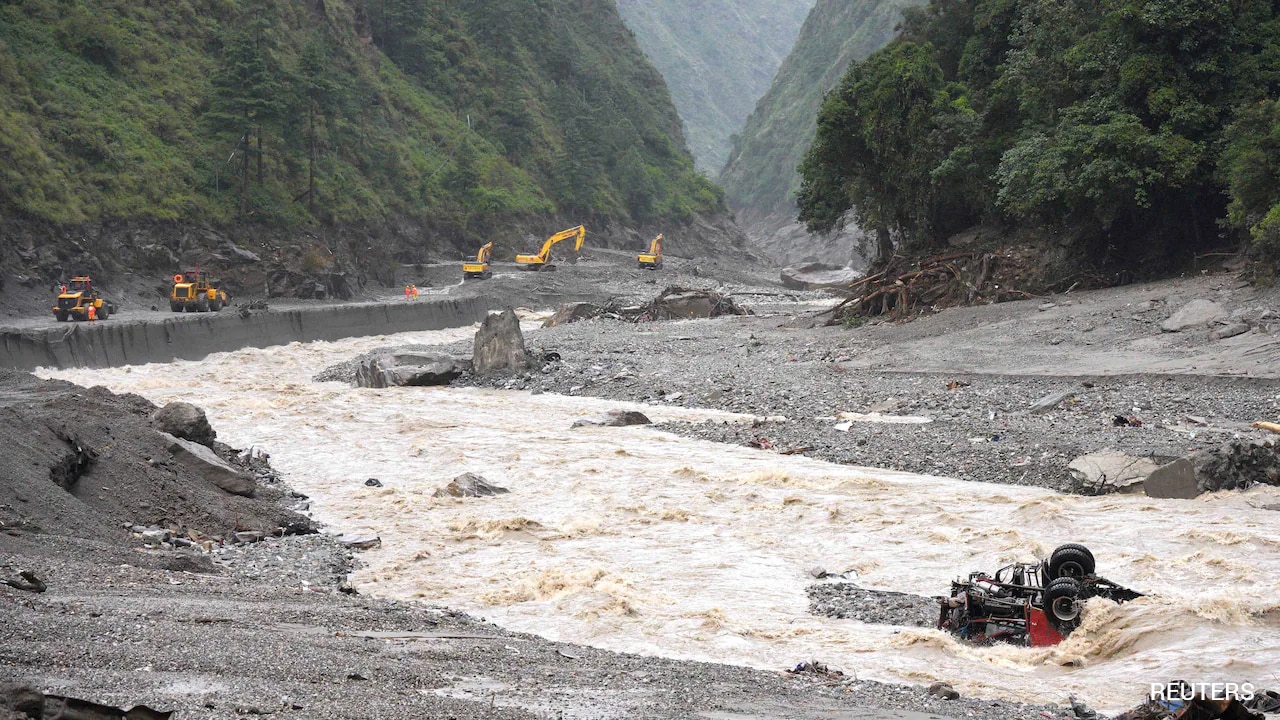
The sudden collapse of a glacier in Nepal has triggered catastrophic flash floods, leaving hundreds dead and thousands missing. This event raises urgent questions about the escalating climate risks in the Himalayan region.
- The glacier collapse in Nepal has led to massive flash floods, resulting in hundreds of deaths and thousands missing.
- The missing tally has surged, including 320 Indian nationals.
- The event serves as a critical warning sign of increasing climate instability in the Himalayas.
The recent catastrophic event in Nepal, where a glacier collapse triggered devastating flash floods, has sent shockwaves through the international community. This disaster is not just a localized tragedy but a profound indicator of the shifting climate patterns in the Himalayan mountain range. With the death toll currently standing at 584 and the number of missing persons rising to 2,482, the scale of the devastation is immense.
Adding a layer of regional complexity, the disaster has impacted Indian citizens significantly, with 320 Indians reported among the missing. Balen Shah, the Mayor of Kathmandu, has noted that massive relief operations are underway, with over 4,400 individuals rescued so far. Despite these efforts, the rugged terrain and the unpredictable nature of the floods continue to hamper rescue operations.
Why This Matters
BozokMedia analysis shows that the instability of Himalayan glaciers represents a looming existential threat to South Asian water security. As these glaciers melt and collapse at an accelerated rate, the entire hydrological cycle of major river systems like the Ganges and Brahmaputra faces unprecedented disruption, potentially impacting billions of lives downstream.
The accelerating rate of glacial retreat and sudden collapses are clear symptoms of a planet in climate distress.
International cooperation is playing a vital role in the aftermath, with Nepal and China intensifying joint rescue efforts. However, the geopolitical nuances of disaster management have surfaced, particularly regarding Kathmandu's stance on foreign assistance. This delicate balance between accepting aid and maintaining sovereignty is being closely watched by global observers.
Historical Background
While the Himalayas have always been prone to seismic and weather-related events, the phenomenon of Glacial Lake Outburst Floods (GLOFs) has become significantly more frequent due to anthropogenic climate change. The rapid warming of the high-altitude regions has turned once-stable ice masses into volatile threats, fundamentally changing the risk profile of the entire mountain ecosystem.
Frequently Asked Questions
1. How many people are currently missing in the Nepal floods?
According to recent updates, the missing count has risen to approximately 2,482 people.
2. Is there an international rescue effort underway?
Yes, Nepal and China are actively collaborating on rescue missions to reach the most affected areas.