A massive glacier collapse triggered catastrophic flash floods in the Bhote Koshi River, Nepal. With 579 confirmed dead and over 2,000 missing, international rescue efforts, including Indian assistance, are underway.
- Massive glacier collapse triggered sudden floods in the Bhote Koshi River.
- Death toll reaches 579, with over 2,000 individuals still unaccounted for.
- Third relief flight with Indian assistance has successfully landed in Kathmandu.
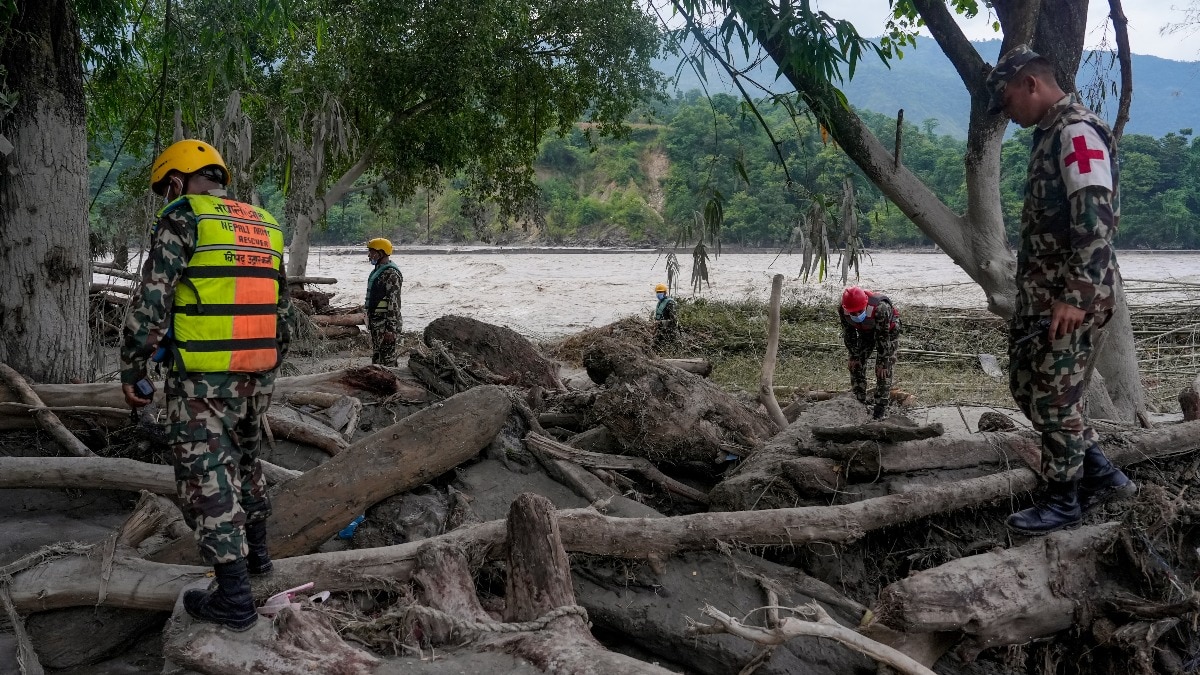
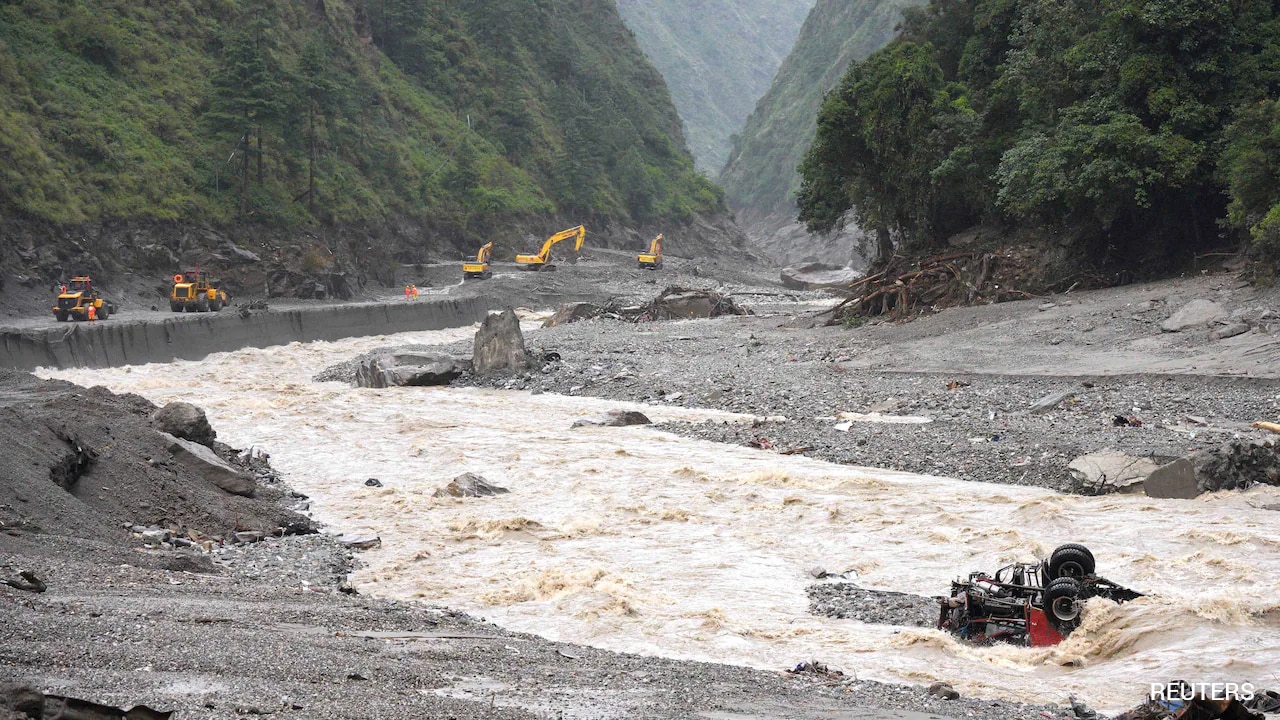
The Himalayan region of Nepal is grappling with an unprecedented natural disaster. A sudden glacier collapse has sent a massive surge of water down the Bhote Koshi River, causing widespread devastation across downstream communities. The scale of the tragedy is immense; authorities have confirmed the recovery of 579 bodies, while the number of missing persons has climbed to over 2,000, sparking fears of a much higher death toll.
In a critical move to bolster rescue operations, a third relief flight, operating with significant assistance from India, has arrived in Kathmandu. This mission is vital for transporting emergency medical supplies, food rations, and specialized search-and-rescue equipment to the hardest-hit mountainous zones. Ground teams are currently battling treacherous terrain and massive debris flows to reach isolated settlements.
Why This Matters
BozokMedia analysis shows that the increasing frequency of Glacial Lake Outburst Floods (GLOFs) in the Hindu Kush-Himalayan region is a direct consequence of global warming. This event highlights the extreme vulnerability of mountain nations to rapid environmental shifts and the critical need for robust trans-border disaster management protocols.
The sudden collapse of Himalayan glaciers represents a growing systemic risk that could redefine disaster response strategies across South Asia.
Search and rescue operations are being intensified using advanced drone technology to scan debris-heavy areas. However, the unpredictable nature of the river and the unstable soil conditions continue to hamper the progress of local security forces and international aid workers alike. Communication lines in several remote districts remain severed.
Historical Background
Nepal has long been susceptible to hydro-meteorological disasters. The Bhote Koshi river basin has historically been a high-risk zone for flash floods and landslides. However, the intensity of recent years' events suggests that the traditional patterns of mountain hydrology are being permanently altered by rising temperatures.
Frequently Asked Questions
Question 1: How many people are currently missing in Nepal?
Answer: As per the latest updates, more than 2,000 people remain unaccounted for.
Question 2: What is the role of India in this crisis?
Answer: India is providing critical logistical support, including specialized flights to deliver aid and emergency supplies to Kathmandu.