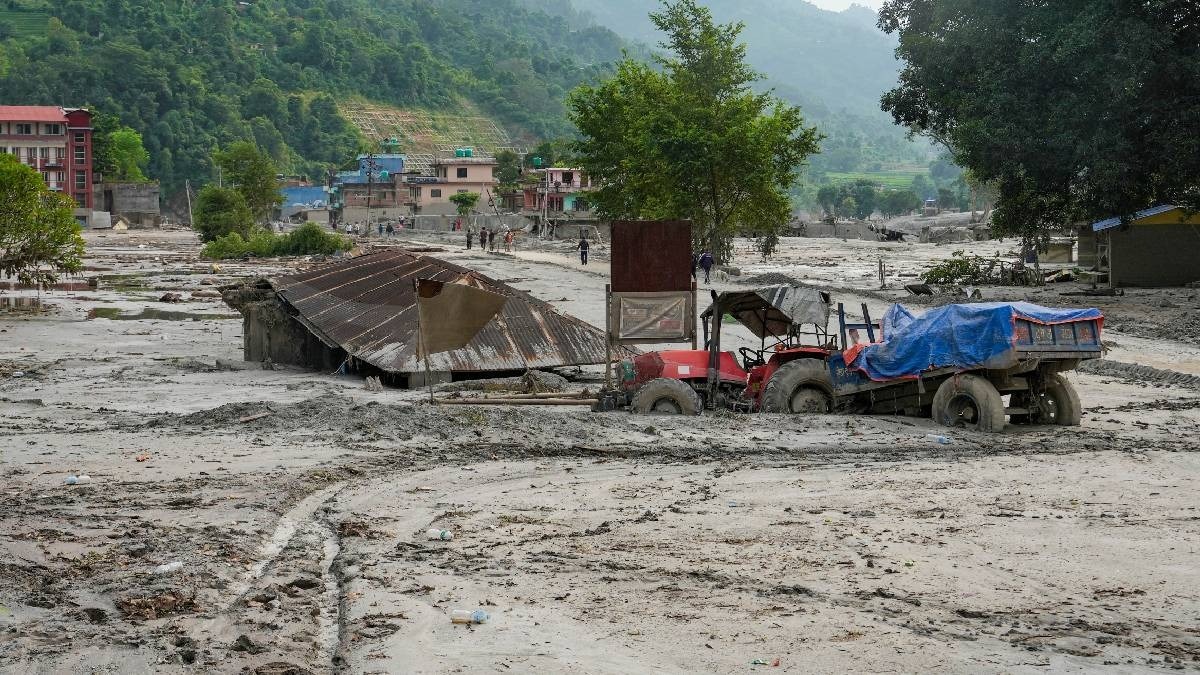
Massive underground hydropower construction by China near the Nepal-Tibet border is raising alarms among analysts regarding potential mega-earthquakes and downstream ecological disasters.
- China has developed dozens of underground hydropower projects near Nepal's Rasuwagadhi Valley in Tibet.
- Analysts warn that massive tunneling could trigger unprecedented seismic activity.
- The ecological impact poses a significant threat to downstream regions, including India.
The rapid escalation of infrastructure development by China in the sensitive border regions near Nepal has sparked a global debate on environmental safety. Near the Rasuwagadhi Valley, which adjoins Nepal, China has constructed numerous underground hydropower projects, including those along the Yarlung Tsangpo River and the highly controversial planned Midog Dam.
Geologists and environmental analysts are expressing profound alarm over the seismic implications of such massive construction in the fragile Himalayan range. The process of intensive underground tunneling and the creation of interconnected hydropower networks are suspected to be contributing factors to recent regional instabilities.
Why This Matters
BozokMedia analysis shows that the geopolitical implications are matched only by the environmental risks. The Himalayan tectonic zone is highly volatile; any disruption caused by heavy industrial tunneling could potentially trigger disasters that are five times more powerful than current recorded events.
Large-scale subterranean construction in the Himalayas acts as a catalyst for seismic instability.
The scope of this risk extends far beyond the immediate borders. Experts warn that the ecological fallout—ranging from massive landslides to sudden catastrophic flooding—could travel downstream, directly impacting the safety and water security of India.
Historical Background
The Himalayan region has long been a hotspot for seismic activity. Historically, large-scale water impoundment and heavy tunneling in mountain ranges have been linked to 'Reservoir Induced Seismicity' (RIS), where the weight and pressure of water trigger movements in fault lines.
Frequently Asked Questions
Question 1: How do these projects affect Nepal?
Answer: They increase the risk of landslides and seismic activity in the immediate border regions.
Question 2: Why is India concerned?
Answer: Because the river systems flowing from Tibet pass through Nepal and into India, making downstream flooding a major threat.