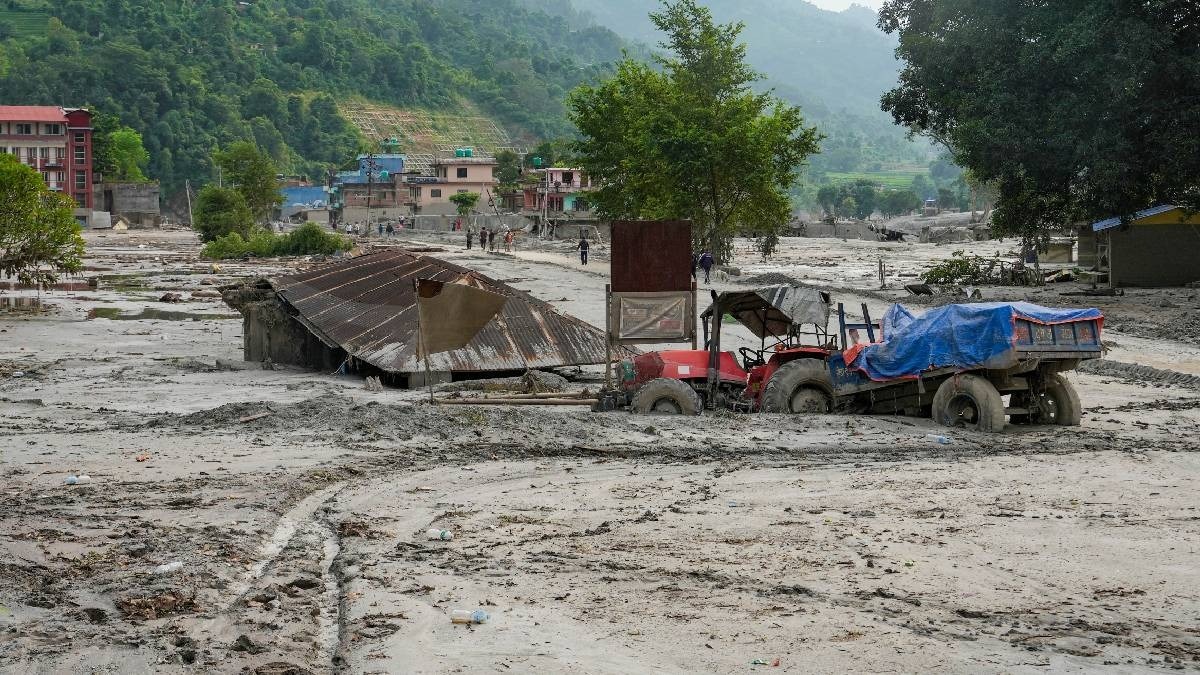
Massive flash floods in Nepal have claimed over 570 lives, leaving thousands more missing as rescue operations struggle against difficult terrain and ongoing rains.
- Death toll in Nepal flash floods surpasses 570.
- Thousands of citizens remain missing in affected mountainous regions.
- Critical infrastructure, including roads and bridges, has been destroyed.
A catastrophic flash flood has ripped through the mountainous regions of Nepal, resulting in a massive loss of life. According to reports from BBC, the death toll has officially crossed 570, with thousands of people still reported missing. The scale of the destruction has left entire communities devastated and the nation in a state of mourning.
The deluge, triggered by intense monsoon rainfall, caused rivers to overflow their banks with unprecedented force. The sudden surge of water, combined with debris and boulders, swept away homes, bridges, and vital transportation networks. Rescue teams are working tirelessly, but the rugged terrain and the risk of further landslides are severely hampering efforts to locate survivors and the missing.
Why This Matters
BozokMedia analysis shows that Nepal's unique topography makes it exceptionally vulnerable to extreme weather events. As climate change intensifies monsoon patterns, the frequency of such high-intensity flash floods is increasing, posing a long-term threat to the socio-economic stability of the Himalayan region.
The scale of this disaster underscores the urgent need for enhanced early warning systems in high-altitude, vulnerable zones.
Beyond the immediate loss of life, the economic impact is staggering. Local livelihoods, agricultural lands, and critical infrastructure have been obliterated. Communication lines are down in several districts, making it difficult for the central government to coordinate relief efforts and for families to reconnect with loved ones.
Historical Background
Nepal has a history of being hit by devastating floods and landslides, notably in 2014 and 2017. However, the recent trend indicates that these events are becoming more frequent and much more severe due to shifting global climatic patterns, necessitating a complete overhaul of the country's disaster management strategies.
Frequently Asked Questions
Question 1: What is the current status of the rescue operation?
Answer: Rescue operations are ongoing, but they are being significantly delayed by difficult terrain and continued rainfall.
Question 2: How many people are still missing?
Answer: While the exact number is fluctuating, thousands of people are currently unaccounted for.