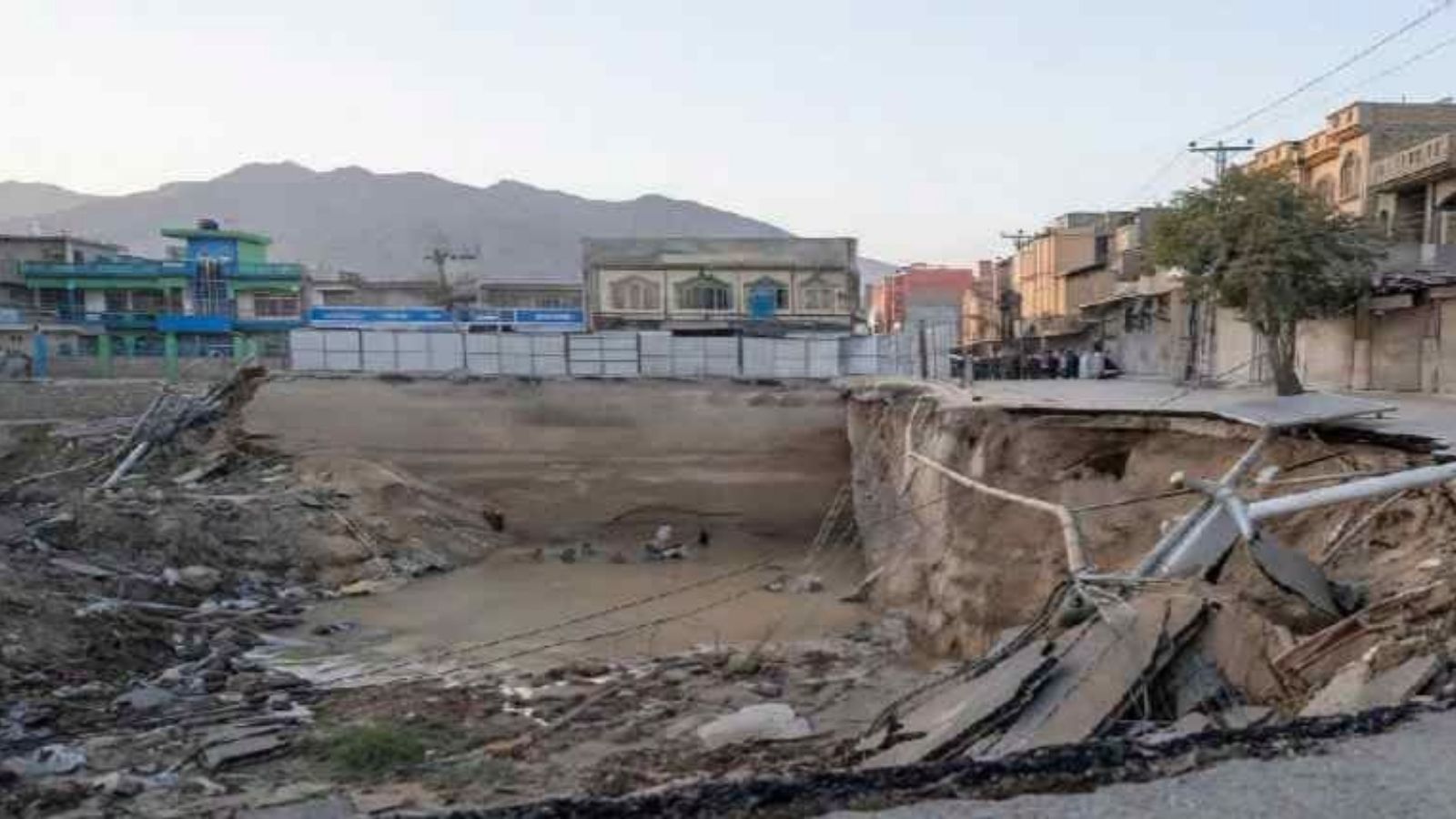
A catastrophic glacier collapse in the Himalayan region has caused widespread devastation across Nepal and Tibet, resulting in hundreds of casualties and massive infrastructure loss.
- Sudden glacier collapse in the Himalayas has caused massive loss of life in Nepal and Tibet.
- UN-led studies identify India as having the highest death toll from glacial floods in the Hindu Kush Himalaya.
- Satellite imagery from China reveals the extreme scale of the destruction.
The Himalayas, long considered a stable mountain range, are exhibiting unprecedented volatility. A massive glacier collapse has recently struck Nepal and Tibet, leaving a trail of destruction that survivors describe as absolute devastation. Reports indicate that entire villages and ecosystems have been wiped out in an instant, with the phrase 'Everything, everyone is gone' echoing through the affected valleys.
Advanced radar satellites from China have captured high-resolution imagery of the collapse site, providing a chilling look at the scale of the debris flows and the path of destruction carved by the sudden release of glacial meltwater. The resulting Glacial Lake Outburst Floods (GLOFs) have decimated local infrastructure and agriculture.
Why This Matters
BozokMedia analysis shows that this event is a stark manifestation of the escalating climate crisis in the high-altitude regions. The intersection of rapid glacial melting and increased human activity in these sensitive zones is creating a 'perfect storm' for catastrophic natural disasters.
The unpredictable nature of Himalayan glaciers is no longer a theoretical risk but a present-day humanitarian emergency.
Adding to the gravity of the situation, a UN-led study has highlighted that India experiences the highest death toll from glacial-related floods within the Hindu Kush Himalaya region. This underscores the extreme vulnerability of South Asian nations to shifting cryospheric patterns.
Historically, the Himalayas have provided life-sustaining water to billions. However, the current trend of rapid warming is turning these frozen giants into sources of unpredictable and deadly floods. Experts warn that the increasing rate of construction in these high-altitude zones is further destabilizing the terrain.
Frequently Asked Questions
Question 1: What causes a glacier collapse?
Answer: It is primarily caused by rising global temperatures leading to glacial melting and the destabilization of ice structures.
Question 2: How can these disasters be mitigated?
Answer: Mitigating these risks requires strict regulation of construction in mountain regions and global action to curb carbon emissions.