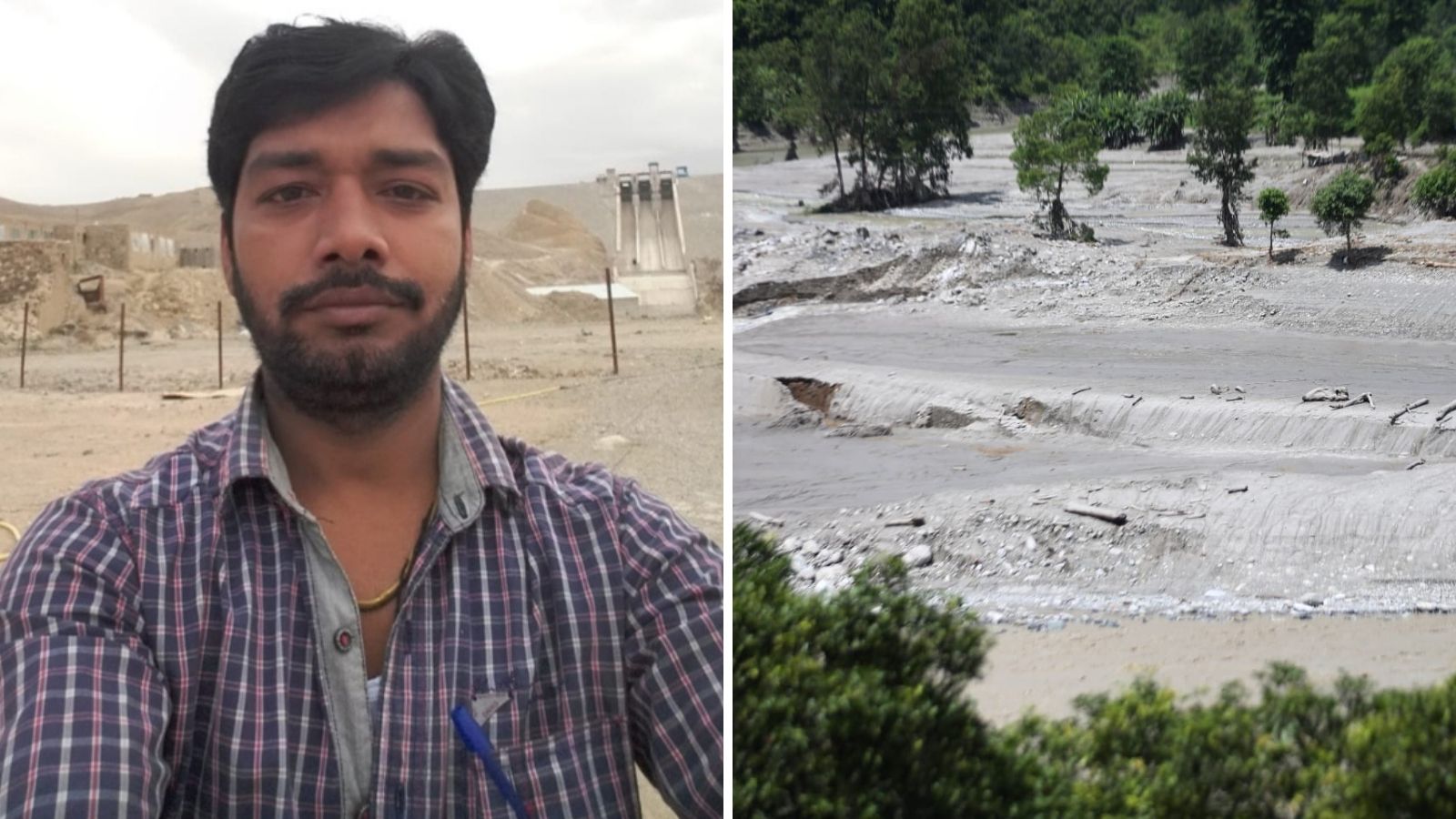
As Nepal's death toll from catastrophic flash floods surpasses 600, a miraculous rescue of 97-year-old Guna Maya Bohara has emerged as a symbol of survival amidst widespread destruction.
- The death toll from Nepal's devastating flash floods has exceeded 600 people.
- 97-year-old Guna Maya Bohara was miraculously rescued from collapsed rubble.
- Over 2,400 individuals remain missing across affected regions.
- The Nepali Army is conducting intensive aerial and ground rescue operations.
Images of a mud-covered 97-year-old woman being lifted to safety in a digger's scoop have become the defining image of survival in the wake of Nepal's catastrophic flash floods. Guna Maya Bohara was pulled alive from the ruins of her care home after a grueling four-hour rescue operation. Doctors confirm she is currently receiving medical attention and is on the road to recovery.
The scale of the disaster is immense, with the official death toll crossing 600 on Saturday. As search and relief operations intensify, the fear grows for the more than 2,400 people who are still reported missing in the devastated landscape.
Why This Matters
BozokMedia analysis shows that the increasing frequency of such extreme weather events in the Himalayan region highlights the urgent need for improved early warning systems and climate resilience in mountainous nations like Nepal.
"She looked like a warrior who had returned victorious from battle." — Dipak, Bohara's great-nephew.
Survivor testimonies paint a harrowing picture of the suddenness of the deluge. Raju Budhathoki, a customs agent near the Nepal-Tibet border, initially mistook the terrifying vibrations for an earthquake. He watched in horror as entire houses in the Timure market were swept away by the torrent in mere seconds. Similarly, Prakash Gautam described a terrifying descent into darkness as a massive rumbling sound preceded the flood, forcing him to flee into the forest to survive.
For many, survival was a matter of sheer chance. Tulsi Bahadur Bhandari recounted how the force of the black mud and floodwater threw him toward a hillside; he believes that if the current hadn't propelled him toward the slope, he would not be alive today. In Rasuwa, Sachin Khati managed to escape, but at a devastating cost—his wife, four-year-old son, and relative remain unaccounted for.
Historical Background
Nepal is highly susceptible to hydrological disasters due to its rugged terrain and monsoon patterns. Historically, flash floods in this region have been triggered by heavy rainfall or Glacial Lake Outburst Floods (GLOFs), both of which are being exacerbated by global warming, leading to more unpredictable and violent water surges.
Frequently Asked Questions
Question 1: How many people are currently missing in Nepal?
Answer: More than 2,400 people are currently reported missing following the floods.
Question 2: What is being done to help survivors?
Answer: The Nepali Army and local rescue teams are conducting search operations and dropping food supplies via helicopters.