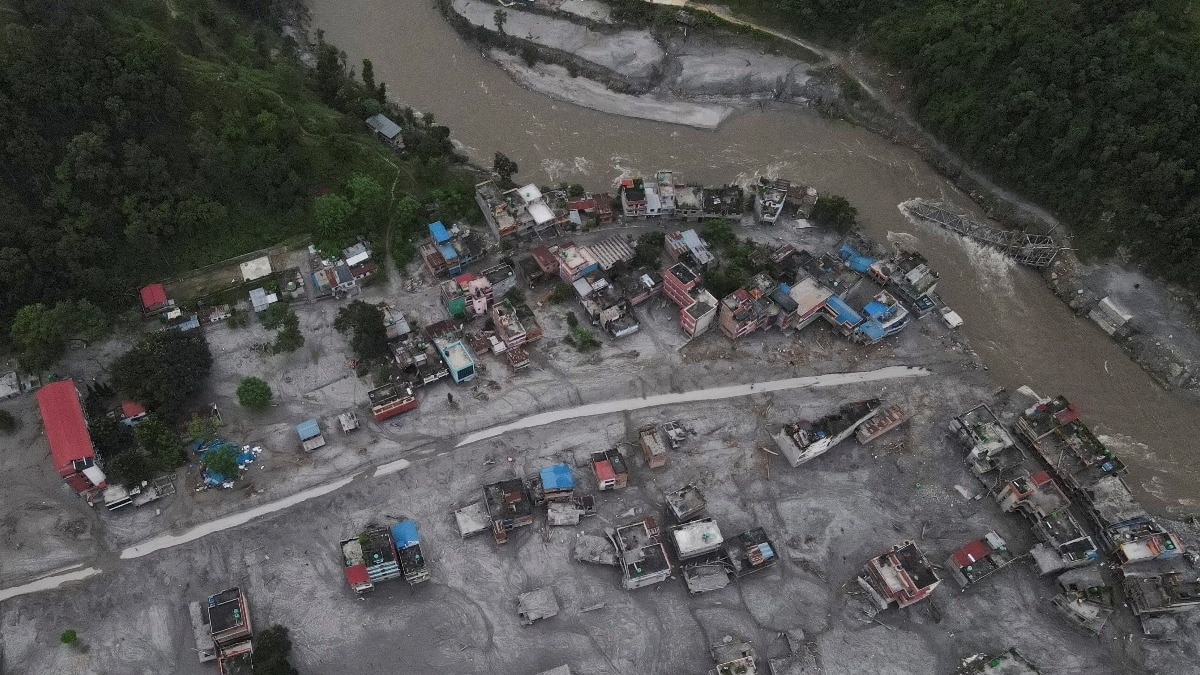
As Nepal battles devastating floods, China has issued a high-alert warning regarding a natural lake formed on the Lhende River. The lake, created by glacial debris, poses a massive risk of a flash flood that could impact downstream regions.
- Imminent risk of breach of a natural lake on the upper Lhende River.
- China warns that darkening water color is a sign of structural instability.
- Potential water discharge could reach up to 500 cubic meters per second.
- The lake was formed by debris following recent flash floods in Tibet and Nepal.
Amidst the ongoing humanitarian crisis caused by catastrophic flooding in Nepal, a new and potentially more lethal threat has emerged. China has formally alerted the Nepalese Ministry of Foreign Affairs regarding a natural lake formed in the upper reaches of the Lhende River system. This lake, created by massive landslides and glacial movements, is showing signs of an imminent breach, threatening to unleash a torrent of water on downstream communities.
According to reports from China's Ministry of Water Resources, the water in the lake has been turning increasingly dark. This discoloration is viewed by hydrologists as a critical warning sign, indicating rising sediment levels and increasing pressure against the natural debris dam. The lake is situated near the confluence of the Chochen River (China side) and the Purepu River (Nepal side). As of last Friday, the lake had accumulated approximately 2.5 million cubic meters of water.
Why This Matters
BozokMedia analysis shows that this incident highlights the growing volatility of the Himalayan region due to climate change. The formation of such 'debris-dammed lakes' acts as a ticking time bomb; if the natural barrier fails, the resulting surge can destroy entire villages and alter river courses within minutes.
The darkening hue of the lake water is a definitive indicator that the natural dam is struggling to contain the mounting hydraulic pressure.
China has deployed advanced monitoring tools, including drones and satellite imagery, to track the lake's status. While flood modeling suggests that a partial breach might keep the water within the riverbanks, the projected discharge rate of 500 cubic meters per second is high enough to cause significant destruction. The scale of the current disaster is already immense, with recent flash floods claiming over 626 lives in Nepal and several more in Tibet.
Historical Background
Glacial Lake Outburst Floods (GLOFs) have become a recurring nightmare in the Hindu Kush Himalayan region. As global temperatures rise, glaciers retreat more rapidly, often calving large chunks of ice and debris into rivers. These events create unstable natural dams that are far more unpredictable than man-made structures, making early warning systems a matter of life and death for mountain nations.
Frequently Asked Questions
1. What caused the formation of this lake?
The lake was formed naturally when massive amounts of debris from melting glaciers blocked the path of the Lhende River.
2. Is the threat limited to Nepal?
While the immediate threat is to Nepal, the surge in water levels can affect regional river systems and downstream ecology.