In a stunning display of resilience, a 97-year-old woman has been rescued alive from the wreckage of Nepal's devastating flash floods. The rescue comes amidst a massive disaster triggered by a glacial collapse in the Himalayas.
- 97-year-old Guna Maya Bohara rescued alive from rubble.
- Glacial collapse in the Himalayan border region triggered massive flash floods.
- India has deployed relief flights and specialized rescue teams.
- Over 3,700 people have been successfully rescued so far.
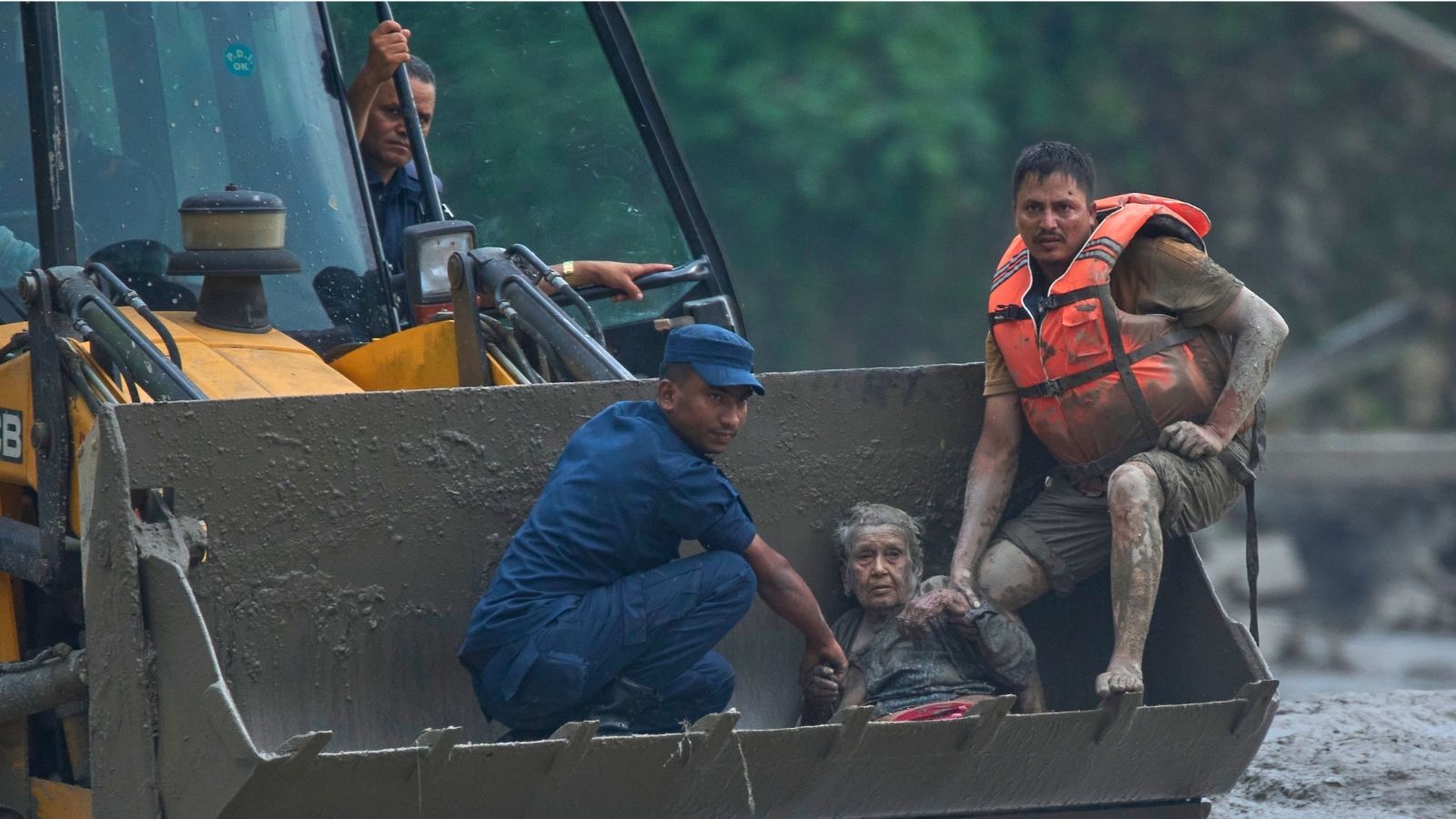
In a heart-wrenching yet hopeful moment amidst the devastation in Nepal, a 97-year-old woman, identified as Guna Maya Bohara, has been pulled alive from the debris of her care home. Her great-nephew, Dipak Bohara, described her survival as that of a 'warrior' returning victorious from a battle, after rescuers spent four grueling hours extracting her from the wreckage.
The Scale of Destruction
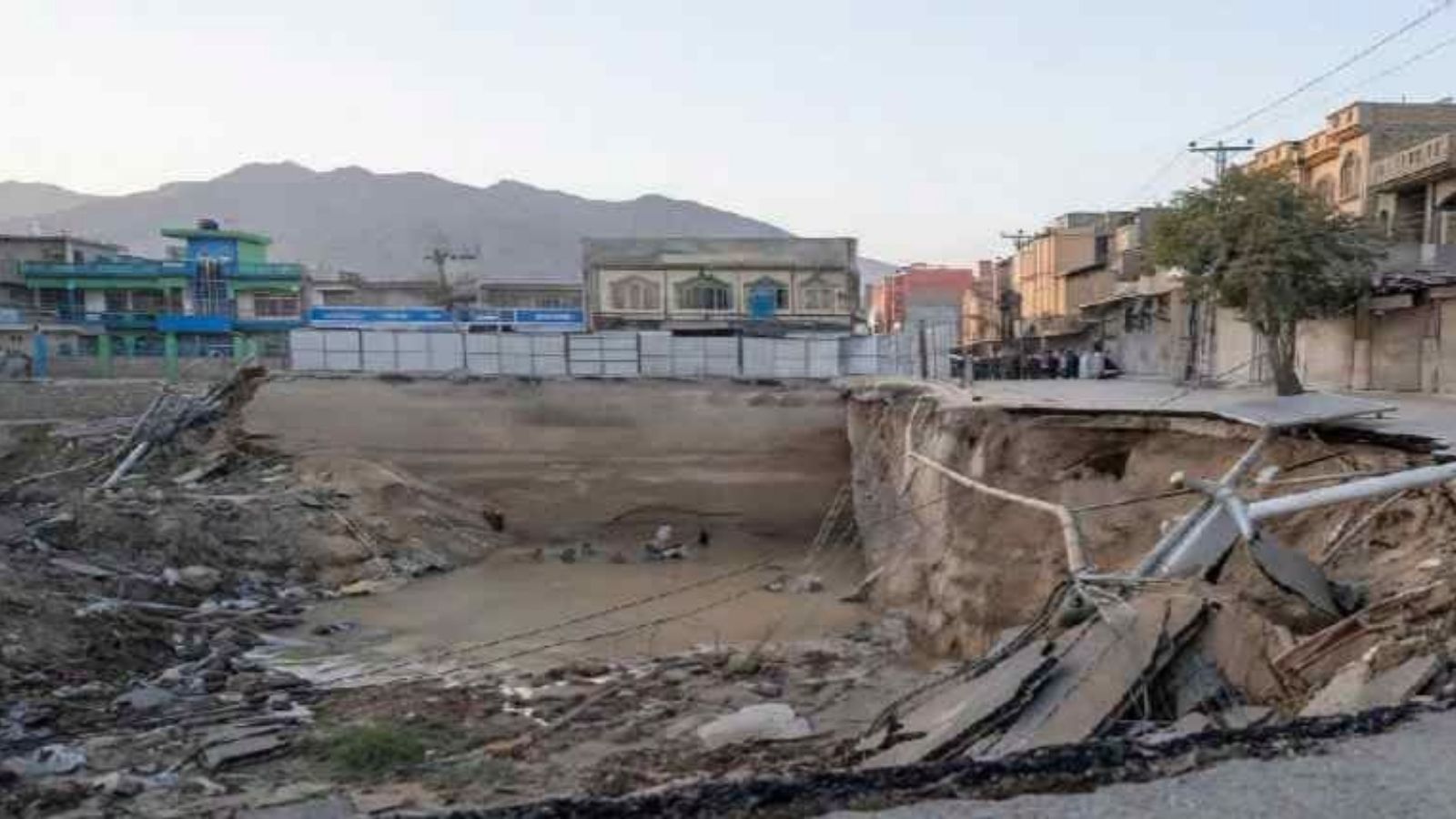
The disaster was triggered by what scientists describe as a glacier collapse in the sensitive Himalayan border region. The resulting flash floods have ripped through vital infrastructure, including roads, bridges, and power lines along the critical corridor connecting Kathmandu with Lhasa, Tibet. This route is a lifeline for pilgrims and trekkers heading toward sacred sites like Mount Kailash.
The situation remains extremely volatile. A massive buildup of debris upstream created an artificial lake containing over 2.5 million cubic metres of water, which eventually overflowed into the Bhotekoshi River, sending emergency warnings downstream and momentarily halting rescue operations.
Why This Matters
BozokMedia analysis shows that the increasing frequency of Glacial Lake Outburst Floods (GLOFs) in the Himalayan belt poses a catastrophic risk to regional stability and human life. This event highlights the critical need for advanced early warning systems and trans-border disaster management cooperation between India, Nepal, and China.
'Guna Maya Bohara looked like a warrior returning victorious from battle after the four-hour rescue operation.'
The international dimension of this crisis is significant. The Indian Ministry of External Affairs has reported that approximately 320 Indian nationals remain uncontactable. In response, India has mobilized significant aid, including relief flights, a specialized tunnel rescue team, and prefabricated bridges to restore connectivity in the hardest-hit zones.
On the Chinese side, the People’s Liberation Army has been heavily involved in evacuating over 1,000 people near Gyirong County. While the scale of loss is immense, the survival of Bohara serves as a rare beacon of hope in an otherwise grim landscape of destruction.
Frequently Asked Questions
Question 1: What caused the sudden flooding in Nepal?
Answer: The floods were triggered by a sudden glacier collapse in the Himalayan border region.
Question 2: How is India assisting in the rescue efforts?
Answer: India is providing relief flights, tunnel rescue teams, and prefabricated bridges to aid connectivity and recovery.