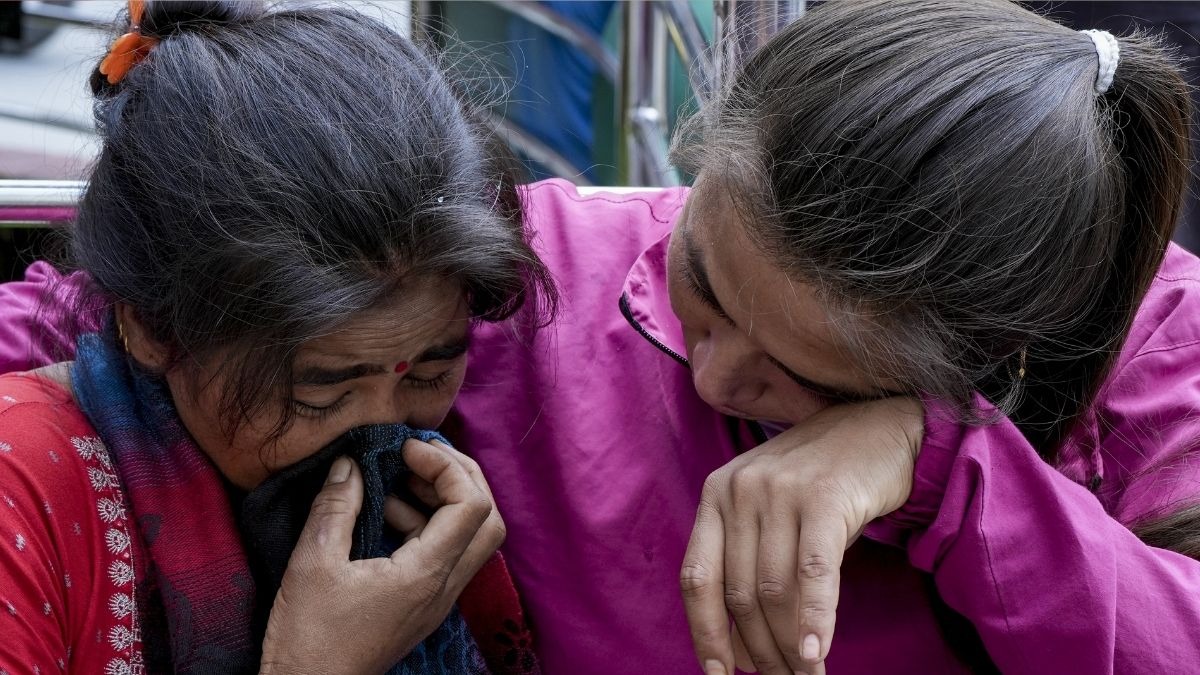
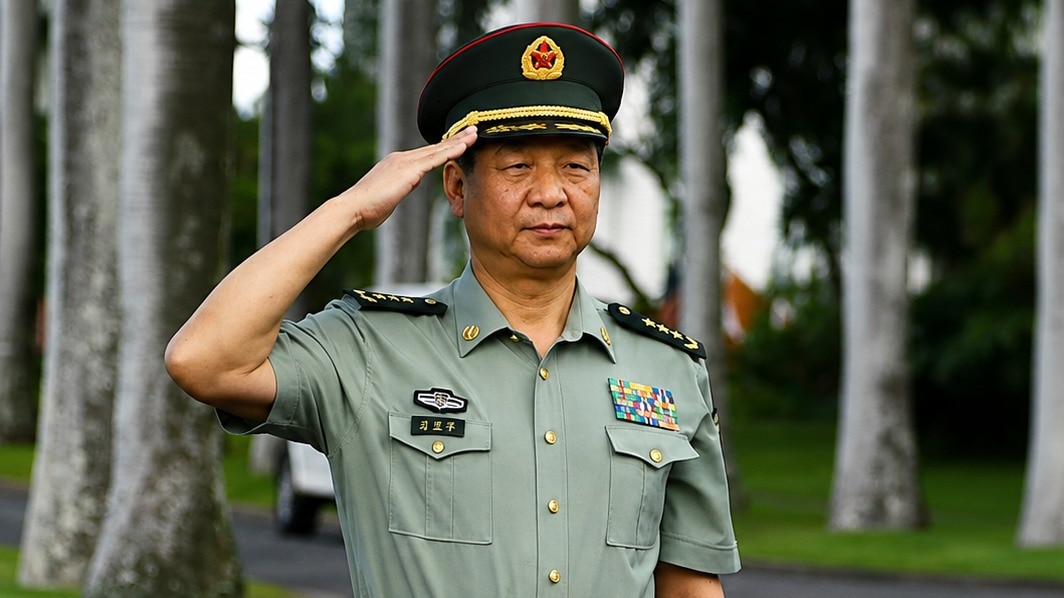
Joint rescue operations between Nepal and China have resumed as the death toll from devastating floods and landslides nears 600. Following a crucial policy shift, Nepal accepted foreign assistance, prompting India to rapidly deploy specialized rescue teams to the disaster-stricken border regions.
- The death toll from the catastrophic floods and landslides along the Nepal-China border has officially surged past 600.
- Following a dramatic policy U-turn, Nepal has accepted foreign aid, leading to the immediate deployment of Indian rescue teams.
- Search operations at key Chinese border crossings enter their fourth day with diminishing hopes of finding survivors beneath the debris.
Devastating monsoon-induced floods and landslides have wreaked havoc across the mountainous border regions of Nepal and China. According to official reports, the death toll from this unprecedented natural disaster has climbed to over 600, with hundreds of villagers still reported missing. Search and rescue operations led by military personnel and local authorities have entered their fourth consecutive day, though persistent torrential rains and treacherous terrain continue to hamper relief efforts.
In a significant development, the government of Nepal has reversed its initial stance on declining foreign humanitarian assistance. As the scale of the destruction overwhelmed local resources, Kathmandu officially appealed for international aid. Responding swiftly to the crisis, India has dispatched specialized National Disaster Response Force (NDRF) personnel and medical units to the worst-affected districts, working alongside Nepalese first responders to extract victims from collapsed structures.
The situation along the Chinese border remains critical. At key transit points such as Tatopani and Rasuwagadhi, massive landslides have buried entire settlements, leaving little to no sign of survivors. Chinese emergency services, equipped with heavy machinery, are working in tandem with Nepalese forces to clear debris and restore communication lines. The disaster has completely severed crucial bilateral trade routes, isolating remote communities from essential supplies.
Amidst the widespread devastation, a miraculous story of structural resilience has captured global attention. In one heavily hit Nepalese district where concrete buildings were swept away like playing cards, a single 'Green House' survived the raging torrents completely intact. Engineers and local residents point to the building's reinforced design and strategic foundation as a prime example of climate-resilient architecture that must be adopted in future reconstruction efforts.
Why This Matters
BozokMedia analysis shows that climate vulnerability in the Hindu Kush-Himalayan region is reaching a dangerous tipping point. Transboundary cooperation between Nepal, India, and China is no longer just a diplomatic option, but an ecological and humanitarian survival necessity. Experts warn that without a unified, real-time regional early-warning system, the toll of future monsoon seasons will only grow more severe.
"The scale of this disaster highlights the urgent need for a unified regional early-warning system across the Himalayas to prevent such catastrophic loss of life," says a regional disaster management expert.
Historically, Nepal has always been highly susceptible to monsoon disasters, but the intensity of the 2024 floods has shattered records from previous decades. Major flooding events in 2014 and 2021 caused significant damage, but the current crisis is far more severe in terms of infrastructure destruction and displacement. The table below compares these historical events:
| Year | Death Toll | Primary Cause | International Aid Response |
|---|---|---|---|
| 2024 (Current) | 600+ | Unprecedented Monsoon Flooding & Landslides | Immediate deployment from India and China after initial hesitation |
| 2021 | Approx. 150 | Late Monsoon Flash Floods | Localized relief with moderate regional support |
| 2014 | Approx. 250 | Sunkoshi River Landslide & Floods | Bilateral assistance from neighboring countries |
Frequently Asked Questions
Q1: Why did Nepal initially hesitate to accept foreign aid during this disaster?
Answer: Nepal often tries to manage localized disasters independently due to geopolitical sensitivities. However, the unprecedented scale of this flooding forced the government to quickly pivot and accept immediate help from India and China.
Q2: What is the current status of the trade routes between Nepal and China?
Answer: Major border crossings and trade highways are completely blocked by massive landslides. Joint engineering teams from both nations are working to clear the roads, but full restoration is expected to take several weeks.