Iftikhar Ali Gillani of PML-N has been elected as the new Prime Minister of Pakistan-occupied Kashmir (PoK). The decision marks a setback for Nawaz Sharif's personal political aspirations in the region.
- Iftikhar Ali Gillani has been elected as the new PM of PoK.
- Gillani secured 30 votes out of 44 participating members.
- Nawaz Sharif's plan to install Shehbaz Sharif as PM failed.
- The election was marred by allegations of violence and rigging.
The political landscape of Pakistan-occupied Kashmir (PoK) has undergone a significant shift. Following a decisive vote in Muzaffarabad, Iftikhar Ali Gillani of the Pakistan Muslim League-Nawaz (PML-N) has been elected as the new Prime Minister. In the voting held on Friday, Gillani secured a commanding majority with 30 votes out of the 44 members present. His main opponent, Mukhtar Ahmed of the Pakistan Peoples Party (PPP), garnered only 14 votes.
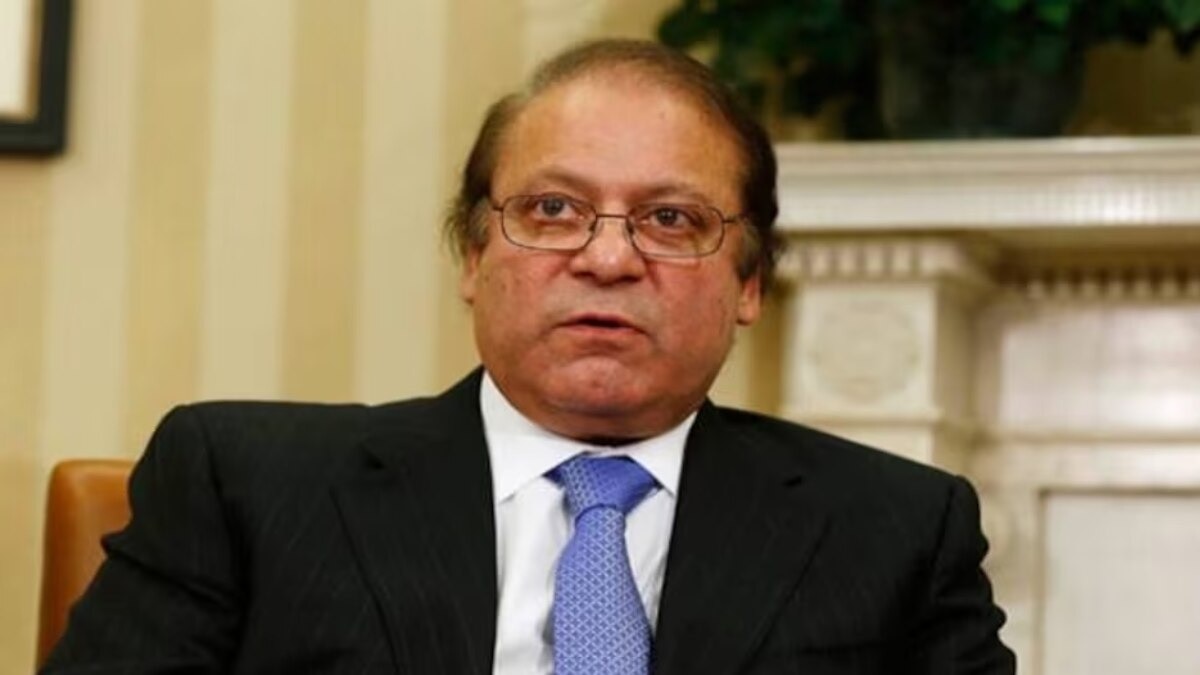
This outcome serves as a political blow to Nawaz Sharif, who had previously hinted at a different leadership structure. During his campaign, Sharif had suggested that if PML-N won, he would request Shehbaz Sharif to take the helm as the Prime Minister of PoK. However, as Sharif is not a member of the current assembly, his vision for direct influence through the premiership could not materialize.
Why This Matters
BozokMedia analysis shows that the election of Gillani occurs amidst deep-seated civil unrest and a legitimacy crisis within the region. The new administration will face the daunting task of managing both political opposition and intense grassroots protests.
The PoK assembly consists of 53 seats, with 45 directly elected by the public and 8 reserved for women, technocrats, and religious leaders. However, the current session saw only 46 members, as elections in the Poonch and Sudhanoti districts were stalled due to deteriorating law and order. The absence of Speaker Shah Ghulam Qadir due to internal party friction also highlighted the fractured nature of the local politics.
Gillani inherits a 'crown of thorns' as he takes office amidst widespread allegations of electoral malpractice.
The electoral process, conducted in three phases between July 27 and August 3, was plagued by allegations of widespread rigging and violent clashes. In the 38 direct election seats, PML-N dominated with 25 victories, while Bilawal Bhutto's PPP managed to secure only 12 seats. The Awami Dast-o-Bazoo party also threw its support behind the PML-N, further consolidating Nawaz Sharif's power base.
Furthermore, the rise of the Joint Awami Action Committee (JAAC) has created a volatile atmosphere. The organization has been leading aggressive protests against the reservation of 12 seats for refugees, leading to fatal clashes between citizens and security forces. The local administration's ban on JAAC has only added to the tension.
It is important to note that India maintains a firm stance that PoK is an integral part of the Union of India and that Pakistan's presence there is illegal. The new government's ability to govern in such a fractured and hostile environment will be closely watched by the international community.
Frequently Asked Questions
1. Who is the newly elected PM of PoK?
Iftikhar Ali Gillani of the PML-N party.
2. Why were some seats not contested?
Due to law and order issues in the Poonch and Sudhanoti districts, elections could not be held in those areas.