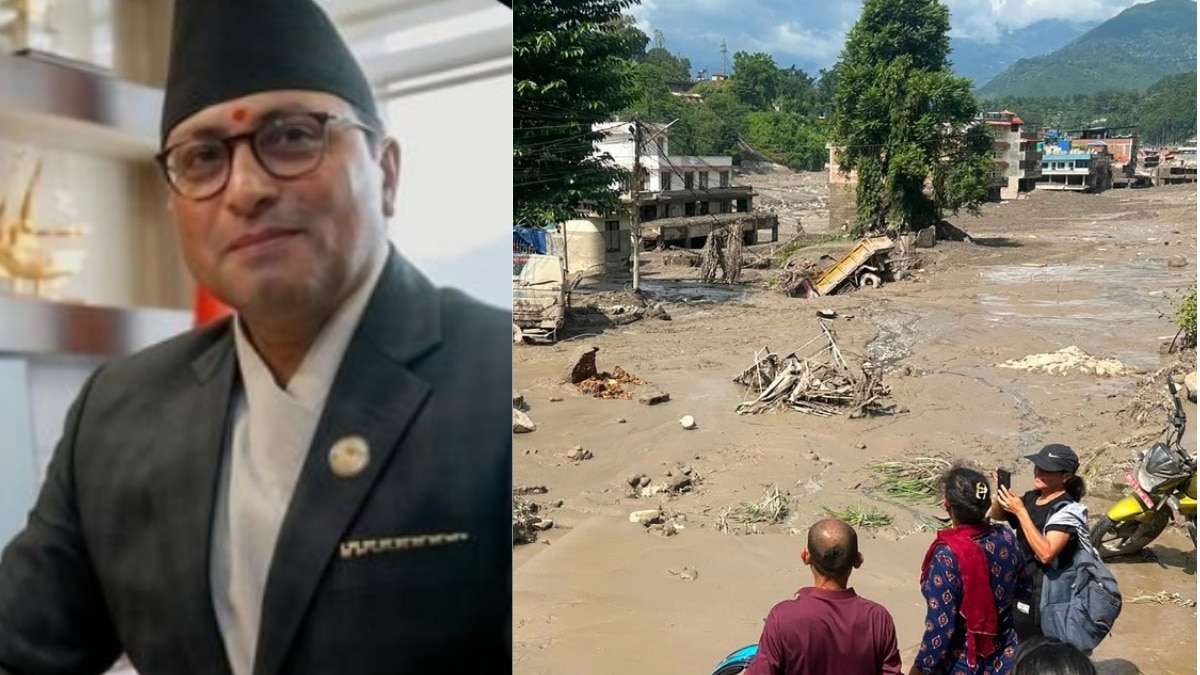
As rescue efforts enter their fifth day in Nepal, Khalsa Aid volunteers report a harrowing scene of bodies trapped in mud and families paralyzed by grief. With over 2,400 missing, the scale of the Himalayan tragedy is immense.
- The death toll from the Nepal floods has reached 682.
- More than 2,400 individuals remain missing across the affected regions.
- Khalsa Aid volunteers are providing critical on-ground relief amidst extreme devastation.
- 108 Indians, including those trapped in hydropower tunnels, have been successfully rescued.
The scale of destruction caused by the recent flash floods in Nepal has left the international community in shock. Volunteers from Khalsa Aid, who are on the front lines of the relief efforts, have provided chilling accounts of the aftermath. They report seeing bodies buried deep within the thick slush and mud, while survivors, consumed by profound trauma, are reportedly refusing to eat.
The Bhotekoshi flood has emerged as a centerpiece of this Himalayan tragedy, devastating local communities and infrastructure. The crisis is also casting a shadow over neighboring regions, with concerns mounting in West Bengal, India, where 37 people are reported missing following the surge.
Why This Matters
BozokMedia analysis shows that the increasing frequency of high-intensity flash floods in the Himalayan belt is a direct consequence of shifting climate patterns. This disaster highlights the urgent need for better early warning systems and resilient infrastructure in mountainous terrains.
'The devastation is so absolute that the landscape itself has been rewritten by mud and debris.'
Rescue operations have entered their fifth consecutive day. While the death toll has climbed to 682, the search for the 2,400 missing persons continues under extremely difficult conditions. Amidst the chaos, a significant rescue operation successfully brought 108 Indian nationals to safety, including four individuals trapped in a hydropower tunnel.
Historically, the Himalayan region has always been prone to landslides and floods, but the intensity of recent events suggests a catastrophic shift. Rapid urbanization and glacial melting are compounding the risks, turning seasonal rains into life-threatening torrents.
Frequently Asked Questions
Question 1: How many people are currently missing in Nepal?
Answer: According to recent reports, more than 2,400 people are still unaccounted for.
Question 2: Were any foreign nationals rescued?
Answer: Yes, 108 Indian nationals were successfully rescued from various locations, including hydropower tunnels.