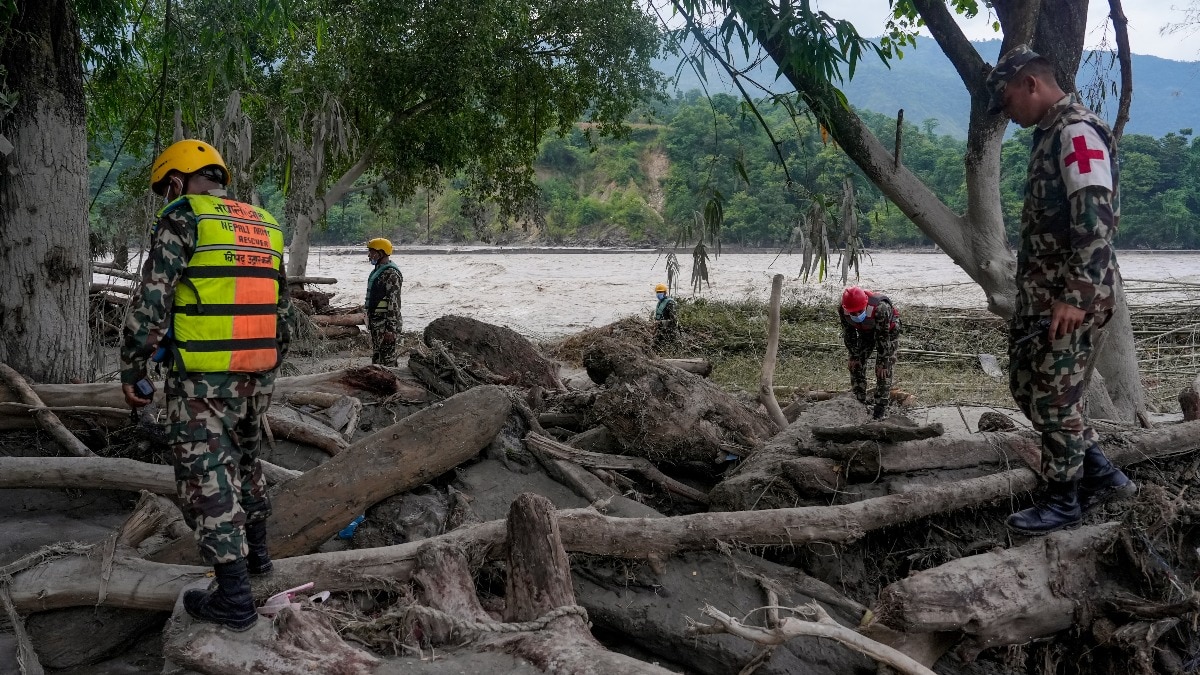
Following a devastating glacier collapse, Nepal's Foreign Minister has clarified that the nation seeks specialized technical assistance rather than conventional search and rescue support.
- Glacier collapse in the Himalayas killed nearly 600 people across Nepal and Tibet.
- Over 2,000 individuals remain missing following the massive debris flow.
- Nepal declined general foreign rescue intervention to avoid redundancy.
- Requests made for technical aid in DNA testing, tunnel rescue, and bridge reconstruction.
In the wake of the catastrophic flooding that struck its Himalayan border with China this week, Nepal's Foreign Minister, Shisir Khanal, has stated that the country requires specialized technical assistance rather than conventional search and rescue operations.
The disaster was triggered on Wednesday (August 26, 2026), when a massive glacier collapse unleashed a torrent of rock, ice, mud, and debris through the Himalayan river systems. The scale of the destruction is immense, with approximately 600 fatalities reported in both Nepal and China's Tibet region, while more than 2,000 people remain unaccounted for.
Why This Matters
BozokMedia analysis shows that Nepal is navigating a delicate balance between accepting international aid and maintaining national sovereignty during a crisis. By specifying the type of aid required, Kathmandu is attempting to prevent the logistical chaos that often accompanies uncoordinated international rescue efforts.
Minister Khanal detailed that the specific needs of the country include rescuing individuals trapped in tunnels, restoring communication and transport links where bridges have been obliterated, and managing the grim task of body identification through DNA testing and long-term storage.
Nepal's stance emphasizes a shift from general humanitarian aid toward highly specialized disaster management technology.
The destruction of infrastructure has been severe, with nearly two dozen bridges destroyed. Consequently, Nepal has reached out to its powerful neighbors, India and China, requesting the deployment of Bailey Bridges to reopen vital transport and communication corridors in the disaster-stricken zones.
Historical Background
The Himalayan region has long been susceptible to natural disasters, but the increasing frequency of glacial lake outburst floods (GLOFs) and flash floods due to climate change has heightened the vulnerability of nations like Nepal. These events pose a continuous threat to the lives and livelihoods of millions in the mountain corridors.
Frequently Asked Questions
1. What specific help is Nepal requesting from the international community?
Nepal is seeking technical expertise in tunnel rescue, DNA testing for identification, and infrastructure repair like bridge construction.
2. How many people are currently missing?
According to official reports, over 2,000 people are still unaccounted for following the floods.