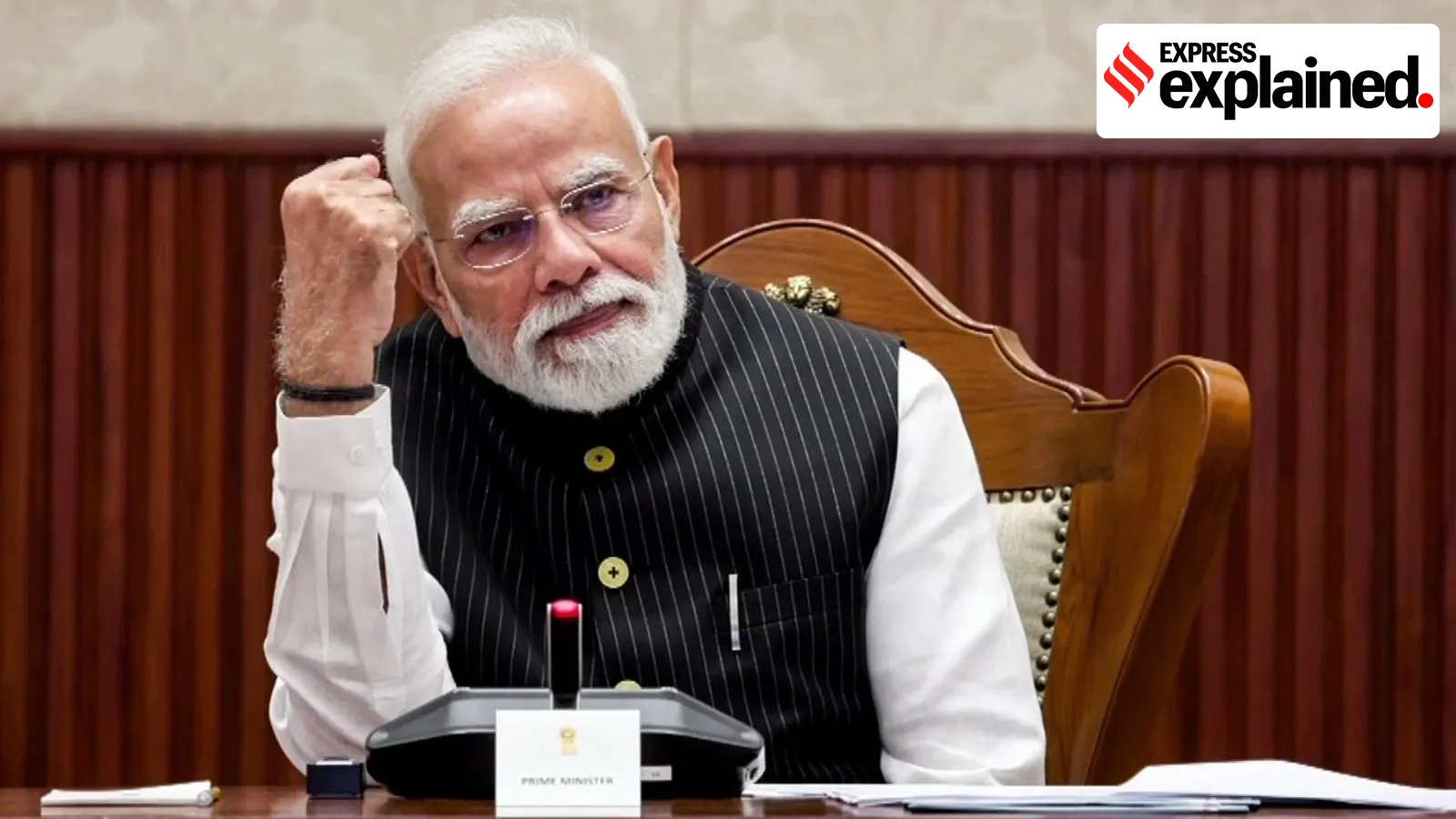
Prime Minister Narendra Modi is set to visit Uzbekistan and the Kyrgyz Republic. This visit is a crucial step in strengthening India's 'Connect Central Asia' policy amidst shifting geopolitical dynamics.
- PM Modi will visit Uzbekistan for bilateral talks and the Kyrgyz Republic for the 26th SCO Summit.
- Central Asia is vital for India's energy security, specifically regarding uranium and natural gas.
- Countering China's Belt and Road Initiative (BRI) is a key strategic objective.
- Connectivity via the International North-South Transport Corridor (INSTC) remains a priority.
Prime Minister Narendra Modi is embarking on a high-stakes journey to Central Asia. His itinerary includes a bilateral visit to Uzbekistan from August 29-30, followed by participation in the 26th Shanghai Cooperation Organisation (SCO) Summit in the Kyrgyz Republic from August 31 to September 1.
While India's engagement with the region dates back decades, the formal 'Connect Central Asia' policy initiated in 2012 has transformed the relationship. PM Modi's previous visits to all five Central Asian nations in 2015 set the stage for the deep strategic partnership being forged today.
Why This Matters
BozokMedia analysis shows that Central Asia is no longer just a Russian 'backyard.' As China intensifies its influence through massive infrastructure investments, India is positioning itself as a reliable alternative partner focused on security, connectivity, and sustainable growth.
- Resource Wealth: The region is a mineral goldmine. Kazakhstan holds massive uranium reserves, while Turkmenistan and Uzbekistan possess vast natural gas supplies.
- Security Landscape: Following the Taliban's takeover in Afghanistan, regional stability is paramount to prevent the spread of radicalism toward India.
- The Connectivity Gap: Due to the lack of direct land access via Pakistan, India is aggressively pursuing the Chabahar Port in Iran to link with the INSTC.
India's outreach to Central Asia is a calculated move to ensure that the post-Soviet space remains multipolar rather than dominated by a single power.
Historical and Cultural Ties
Beyond politics, the bond is civilizational. The presence of ancient Buddhist monasteries in Uzbekistan, such as those in Termez, highlights the deep-rooted Kushana-era connections. Even today, the linguistic overlap—with nearly 3,000 shared words between Hindi and Uzbek—serves as a testament to this enduring link.
| Country | Key Natural Resources |
|---|---|
| Kazakhstan | Uranium, Coal, Gold, Iron Ore |
| Turkmenistan | Natural Gas |
| Kyrgyz Republic | Gold, Hydro-power |
| Uzbekistan | Gold, Uranium, Natural Gas |
Frequently Asked Questions
1. What is the significance of the SCO for India?
The SCO provides a platform for India to engage with major powers like Russia and China, while addressing regional security and economic cooperation.
2. How does India bypass the land blockade to Central Asia?
India utilizes the International North-South Transport Corridor (INSTC) and the Chabahar Port to create a maritime-land link to the region.