As geopolitical shifts occur, India's engagement with the Shanghai Cooperation Organization (SCO) must evolve from a peripheral role to a central strategic priority.
- The SCO is the unique platform linking Central Asia, South Asia, and Iran.
- India needs to balance its Indo-Pacific focus with a renewed Eurasian strategy.
- Recent China-India boundary consensuses provide a window for deeper SCO engagement.
Prime Minister Modi’s upcoming engagements in Tashkent and Bishkek represent a pivotal moment for India to reassess its Central Asia strategy and its broader outreach to Eurasia. While India has sought to deepen ties with its extended neighborhood for over three decades, the outcomes have often struggled to meet high expectations.
Historically, India's ambitions in the region have been constrained by difficult relations with Pakistan and prolonged instability in Afghanistan. These factors have severely limited direct connectivity, leaving many commercial and energy partnership goals unrealized. Even alternatives through Iran have faced hurdles due to international sanctions.
Why This Matters
BozokMedia analysis shows that India's foreign policy, which has been heavily dominated by the Indo-Pacific narrative, must now pivot to address the evolving Eurasian landscape. As Central Asia becomes increasingly cohesive, India's presence within the SCO becomes vital for its regional influence and energy security.
Moving beyond reactive diplomacy, India must leverage the SCO to establish itself as a substantive economic and security pillar in Eurasia.
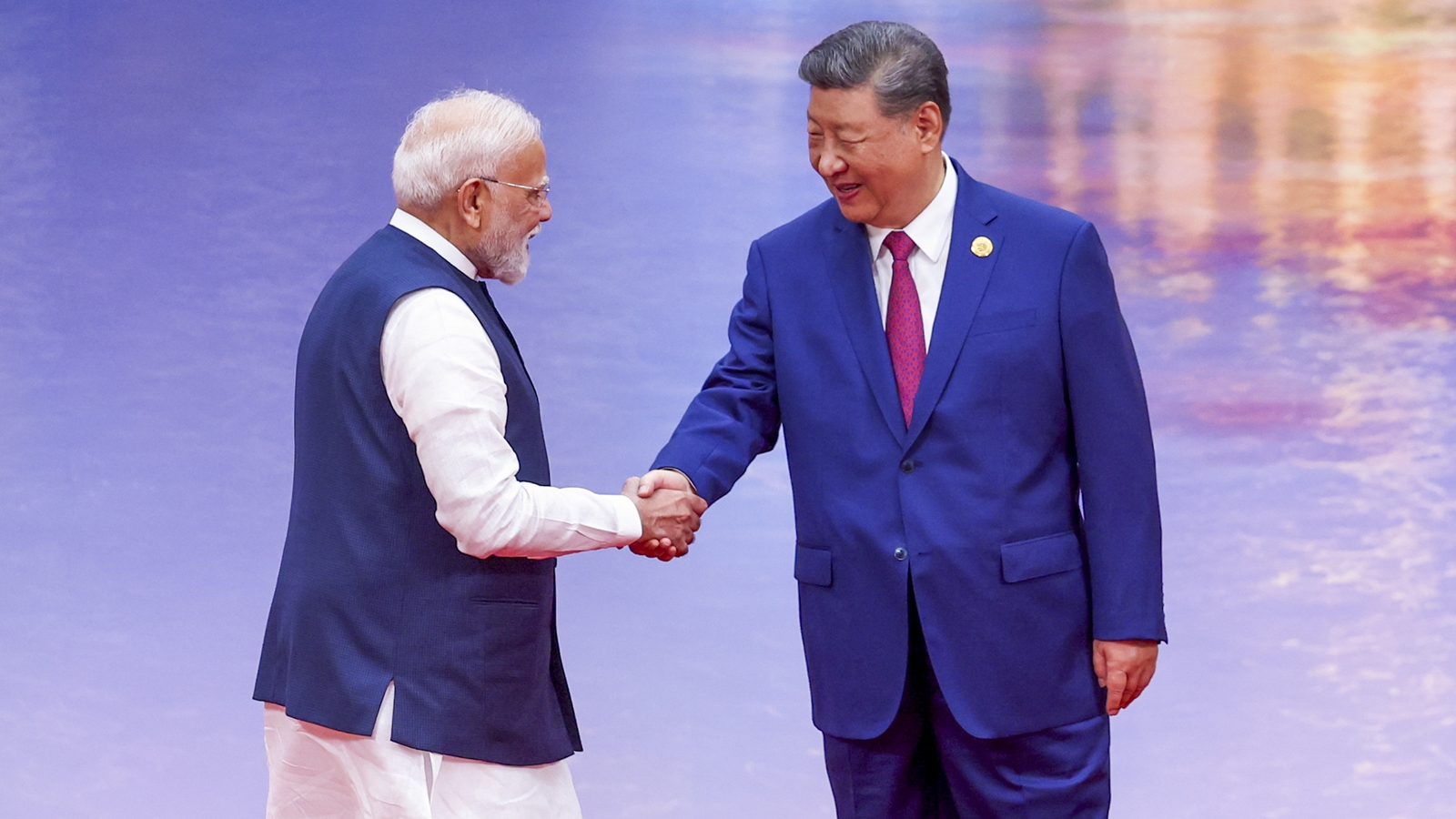
The recent eight-point consensus on the boundary issue between India and China marks a significant shift. Following the Tianjin summit and the adoption of the SCO Development Strategy 2035, India has a unique opportunity to move past mere rhetoric regarding terrorism and separatism. Instead, it can pursue a proactive role in regional connectivity and security architecture.
Historical Background
The SCO evolved from the 'Shanghai Five,' originally designed to promote peace and resolve border disputes in Eurasia. While India became a full member in 2017, it has often remained a relatively marginal player compared to the core interests of China and Russia. The transition from a security-centric group to a development-oriented organization offers India a new path for engagement.
Frequently Asked Questions
1. What is the main goal of the SCO?
The SCO focuses on enhancing cooperation in politics, trade, economy, and security, with a specific emphasis on combating the 'three evils': terrorism, separatism, and extremism.
2. How has India's approach to the SCO changed?
India is transitioning from a cautious observer to seeking a more substantive and proactive role, especially following recent diplomatic resets with China.