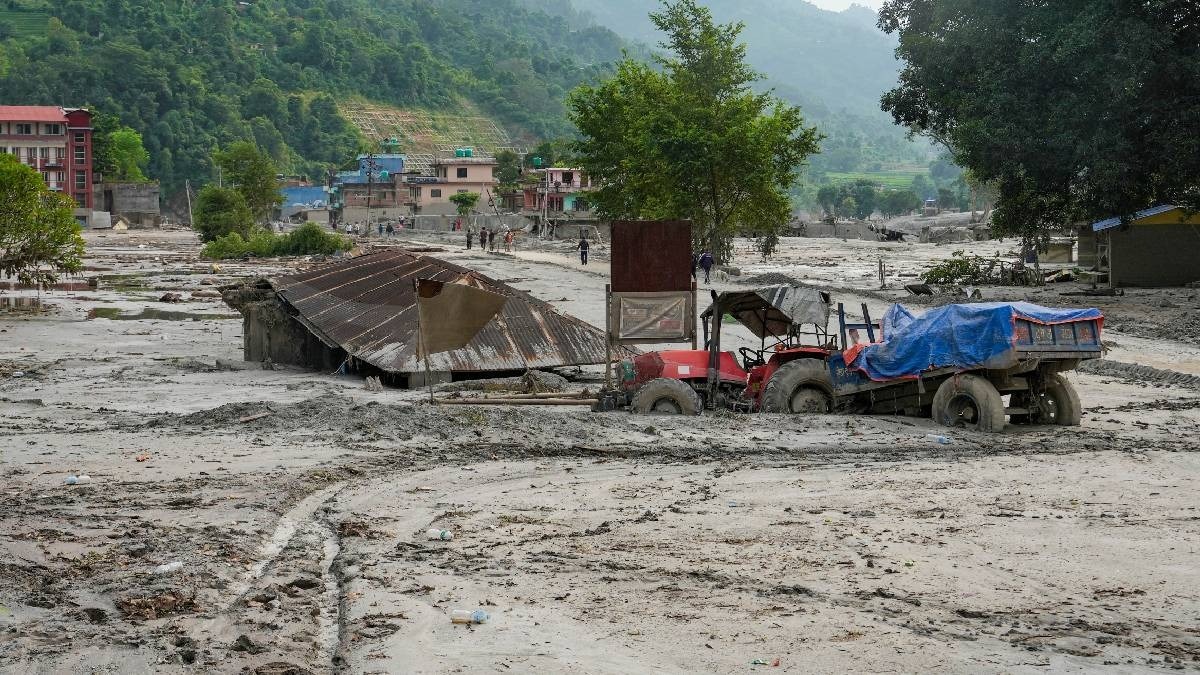
As devastating floods ravage the Tibet-Nepal border, reports emerge that China is swiftly deleting videos of the destruction and pleas from survivors to control the narrative.
- Viral footage of massive floods at Gyirong Port, Tibet, has been scrubbed from the Chinese internet.
- While Nepal reports over 500 deaths, China's official count stands at only five.
- Human rights groups claim heavy censorship is preventing victims from seeking international aid.
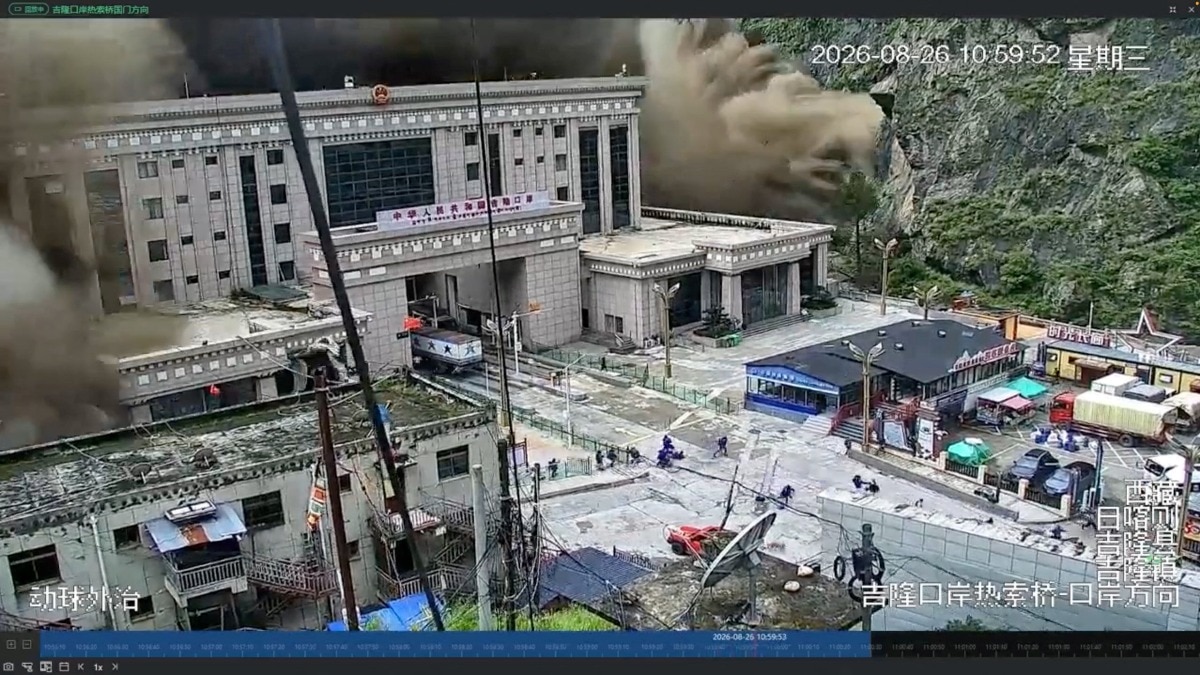
A catastrophic flood at Gyirong Port, the vital crossing between Tibet and Nepal, has triggered a massive wave of digital censorship. A viral CCTV clip, which showed a wall of mud and water obliterating an immigration center while hundreds of people fled for their lives, served as the only visual evidence of the scale of devastation in China-controlled Tibet. However, in a swift move, the video was wiped from the entire Chinese internet.
The discrepancy between the reality on the ground and official reports is stark. In neighboring Nepal, the death toll from the floods has exceeded 500, with the numbers expected to rise as search operations continue. Conversely, Beijing has maintained a minimal casualty count, stating only five people have died, while acknowledging 558 are missing—including 260 foreigners. There is a glaring absence of survivor accounts or detailed information regarding the impacted Tibetan villages.
Why This Matters
BozokMedia analysis shows that this systematic removal of content suggests a state-led effort to manage the global perception of the disaster. By suppressing visual evidence and survivor testimonies, the Chinese government limits the ability of international humanitarian organizations to assess the true scale of the crisis and provide targeted relief.
The rapid deletion of distress signals from survivors is a direct assault on the right to information during a humanitarian crisis.
The environment for journalism in Tibet remains extremely restrictive. Foreign reporters cannot access the region without strict government permits, and even when local footage surfaces on platforms like WeChat, it is often deleted within hours. Human Rights Watch has highlighted that mandatory government surveillance apps on mobile phones further stifle any attempt at free communication by the local population.
While state-run media outlets have broadcasted clips of dramatic rescue operations involving specialist teams, they have largely avoided naming the specific devastation in Tibet. Interestingly, while the world focuses on the tragedy, Chinese state media has shifted its primary focus to President Xi Jinping's latest literary works, creating a sharp contrast between the humanitarian crisis and the official state agenda.
Despite the censorship, Beijing has emphasized that rescue operations are a national priority. Premier Li Qiang was dispatched to the region to oversee efforts, and President Xi has called for all possible measures to find the missing. However, without transparent data, the global community remains in the dark about the true human cost in the Tibetan highlands.
Frequently Asked Questions
1. Why are videos of the Tibet floods disappearing?
Reports suggest that the Chinese government is actively censoring social media content to control the narrative surrounding the scale of the disaster.
2. What is the difference in death tolls between Nepal and China?
Nepal has reported over 500 deaths, whereas China's official figure is currently cited at only five, leading to widespread skepticism.