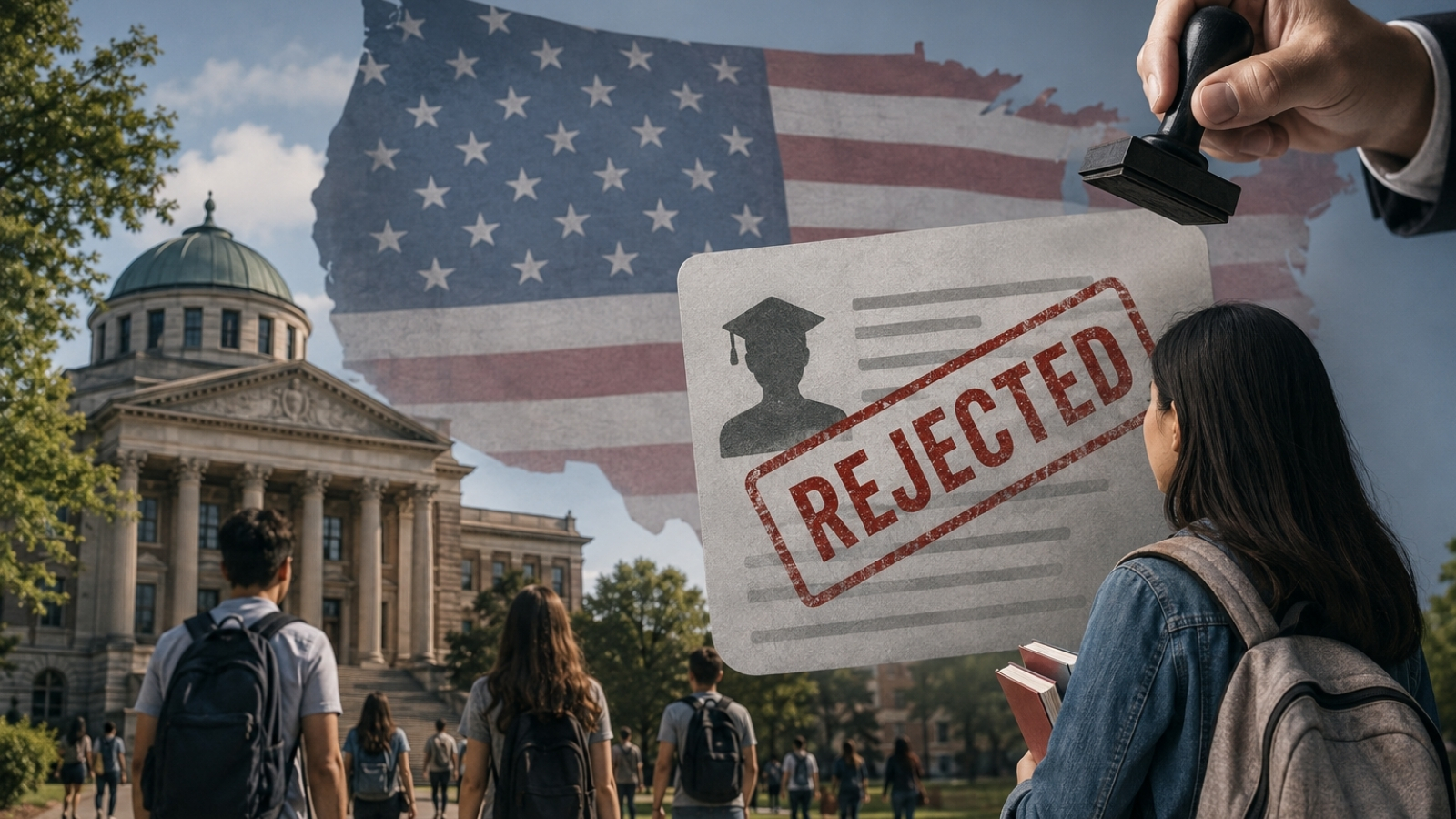
Following warnings from the Trump administration regarding internship rule breaches, major US universities including UCLA and UC Berkeley have suspended certain CPT work authorizations for international students.
- The Trump administration warned universities they could lose certification to enroll foreign students if internship rules are violated.
- UCLA and UC Berkeley have proactively paused certain Curricular Practical Training (CPT) applications.
- ICE officials noted a rise in CPT approvals that appear to bypass genuine academic requirements.
A significant shift in US higher education policy is unfolding as the Trump administration intensifies its oversight of international student work programs. Following a stern warning that colleges could lose their certification to enroll foreign students over internship rule breaches, premier institutions such as the University of California, Los Angeles (UCLA) and the University of California, Berkeley (UC Berkeley) have moved to pause certain work authorization applications.
The directive originated from a memo dated August 24, issued by the Student and Exchange Visitor Program (SEVP), an arm of U.S. Immigration and Customs Enforcement (ICE). The agency stated it had "observed a rise" in Curricular Practical Training (CPT) approvals that do not appear to meet the legal standard of being a genuine, built-in component of a student's academic course of study.
Why This Matters
BozokMedia analysis shows that this crackdown represents a broader trend of tightening immigration controls through administrative pressure on educational institutions. By targeting the mechanisms that allow international students to gain practical experience, the administration is effectively reshaping the value proposition of a US degree for the global talent pool.
Under President Trump, abuse of this generous system will no longer be tolerated, according to the Department of Homeland Security.
UC Berkeley’s international office described the recent guidance as more "restrictive in nature" than previous notices. While the university confirmed that standard degree-requirement CPT—such as research for doctoral dissertations or master’s theses—would continue, other forms of internship applications are facing indefinite delays. This has left many international students in a state of professional uncertainty.
This move is part of a wider pattern of administration actions against universities. Beyond internship regulations, institutions have faced scrutiny regarding pro-Palestinian protests, diversity initiatives, and climate programs. Furthermore, the Justice Department has recently alleged that admissions practices at George Washington University favored certain demographics, highlighting an ongoing crackdown on diversity-related policies.
Historical Background
For decades, programs like CPT and OPT (Optional Practical Training) have been cornerstones of the American international education model, allowing students to apply theoretical knowledge in real-world US settings. However, these programs have long been at the center of debates regarding national security, labor market protection, and the integrity of the student visa system.
Frequently Asked Questions
1. What is CPT?
Curricular Practical Training (CPT) is a federal authorization that allows international students on F-1 visas to engage in practical training related to their major field of study.
2. How does this affect Indian students?
Indian students, who represent a massive portion of the international student body, may face increased scrutiny and delays in securing internships, potentially impacting their post-graduation career paths.