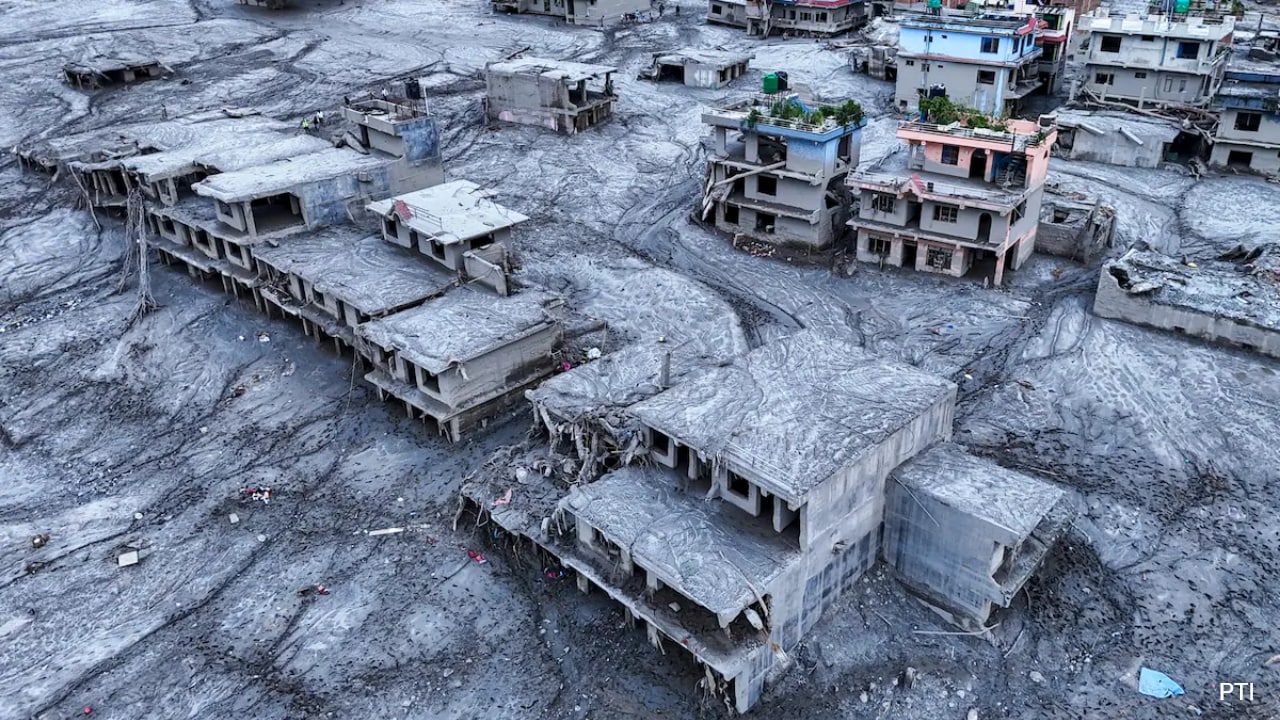
The devastating flash floods in Nepal have claimed 675 lives, with search operations intensifying for 2,400 missing persons. Ongoing rainfall and new upstream lake formations pose a continuous threat to the Bhotekoshi River basin.
- The death toll from the Nepal flash floods has climbed to 675.
- Approximately 2,400 people are currently missing, including 320 foreign nationals.
- A new upstream lake has formed, raising fears of additional flooding downstream.
- India and China are providing active humanitarian and technical assistance.
The scale of devastation in Nepal continues to grow as the flash flood death toll reached 675 on Saturday. Search and rescue operations are being conducted under extremely challenging conditions due to renewed rainfall and rising water levels in the Bhotekoshi River basin. With nearly 2,400 people missing, the humanitarian crisis is deepening by the hour.
The Genesis of the Disaster
The catastrophe is believed to have been triggered by a massive collapse or avalanche of ice and rock near the Nepal-Tibet border. This event unleashed a torrent of water, mud, and debris that surged through central Nepal, destroying entire villages, roads, and bridges. Major hydropower projects have also sustained significant damage, threatening the region's energy security.
Why This Matters
BozokMedia analysis shows that this event highlights the extreme vulnerability of Himalayan infrastructure to sudden geological shifts. The destruction of key transport links like the Mugling-Kathmandu highway and damage to hydropower tunnels could have long-term economic repercussions for the landlocked nation.
The convergence of extreme weather and geological instability in the Himalayas creates a high-risk environment for flash flood events.
According to official police data, the casualties are spread across eight districts. Chitawan reported the highest number of fatalities (246), followed by Nawalparasi East (165) and Nawalparasi West (63). Over 15,000 security personnel have been mobilized, utilizing helicopters to reach remote settlements that have been completely cut off by the destruction of infrastructure.
International Impact and Foreign Nationals
The disaster has had a global dimension, with at least 320 foreign nationals among the missing. Among those rescued, 261 foreigners were accounted for, including 167 Indians, 40 Chinese, and several others from Europe and the US. Nepal's Foreign Minister, Shisir Khanal, confirmed that diplomatic channels are being used to coordinate with the families of the missing.
Frequently Asked Questions
Question 1: What is causing the continued danger in Nepal?
Answer: Fresh rainfall and the formation of a new upstream lake are creating the risk of further surges in water levels.
Question 2: How is India assisting Nepal?
Answer: India has dispatched 57.6 tonnes of relief material and sent an 11-member team to assist with hydropower tunnel reconnaissance and rescue.