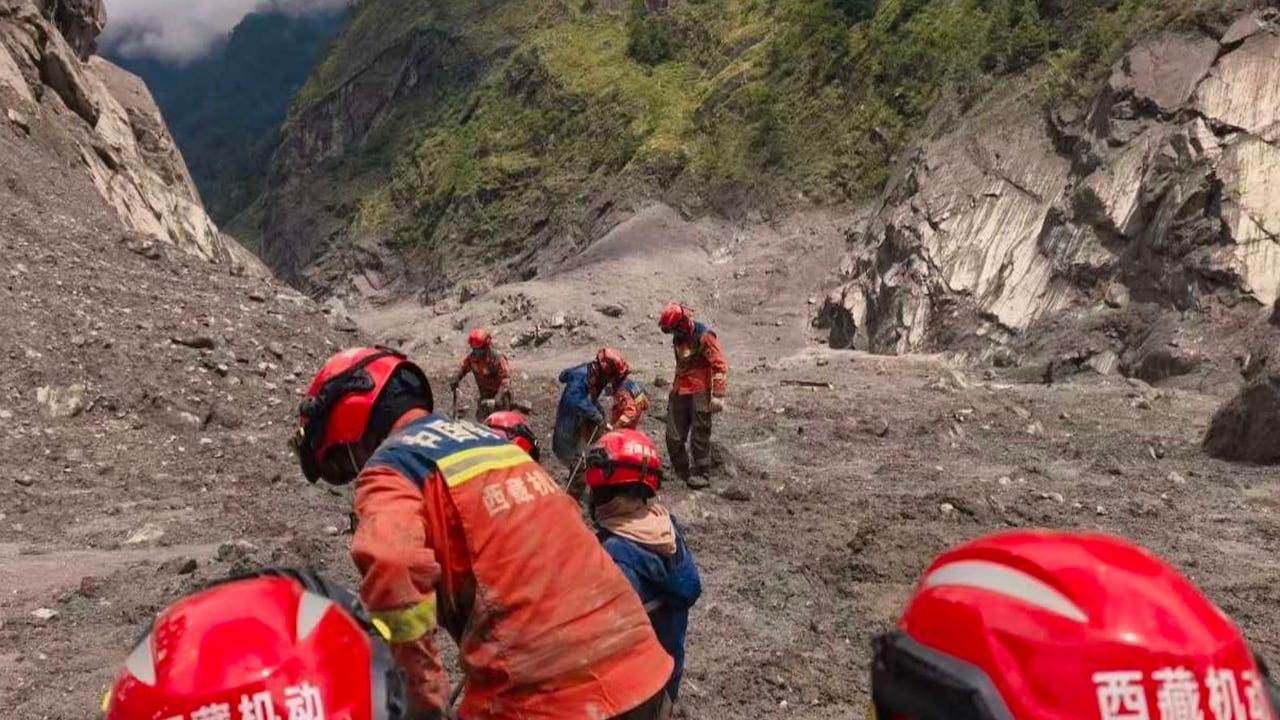
Strict state media censorship in China is making it impossible to assess the true scale of destruction caused by recent flash floods in Tibet. While rescue efforts are publicized, the actual loss of life and infrastructure remains shrouded in secrecy.
- China's information control is obstructing independent assessment of the Tibet disaster.
- State media focuses solely on rescue operations, ignoring casualties and destruction.
- The lack of transparency creates a significant gap in global disaster monitoring.
In a move that highlights the growing trend of digital authoritarianism, China's 'Information Curtain' has effectively blocked any independent verification of the devastation caused by recent flash floods in Tibet. Following massive mudslides at Gyirong Port, reports suggest that the true scale of the tragedy is being suppressed by state-controlled media outlets.
While international observers are calling for transparency, Chinese state media has limited its coverage strictly to rescue and relief operations. There has been a conspicuous absence of data regarding the number of fatalities, missing persons, or the extent of infrastructural damage. This selective reporting creates a sanitized version of events that ignores the human cost of the disaster.
Why This Matters
BozokMedia analysis shows that such information suppression is not merely about optics; it fundamentally undermines global disaster response and climate change monitoring. When a major power restricts data from a geographically sensitive region like Tibet, it prevents international aid organizations and scientists from understanding the true impact of extreme weather patterns in the Himalayas.
The suppression of casualty figures during natural disasters is a tactical move to maintain domestic stability and international prestige at the cost of truth.
Historical Background: The Tibetan plateau is highly susceptible to sudden environmental shifts due to its unique topography. Over the years, the region has seen increased instances of glacial lake outburst floods (GLOFs) and flash floods. Simultaneously, China has consistently tightened its grip on information flowing out of Tibet, making it one of the most difficult regions in the world to report on independently.
Frequently Asked Questions
Question 1: What is being reported in China?
Current reports from China only highlight the rescue efforts and do not mention the extent of deaths or destruction.
Question 2: Where did the disaster occur?
The recent catastrophic mudslides and flooding were centered around the Gyirong Port area in Tibet.