Triggered by a glacier collapse, catastrophic flash floods in Nepal have claimed 675 lives, with thousands more still missing in the debris.
- Glacier collapse triggered massive flash floods across Nepal's river systems.
- Death toll has reached 675, with nearly 3,000 people reported missing.
- India has airlifted 68.5 tonnes of relief material and technical teams.
- Over 100 workers are feared trapped in the Upper Trishuli-1 hydropower tunnels.
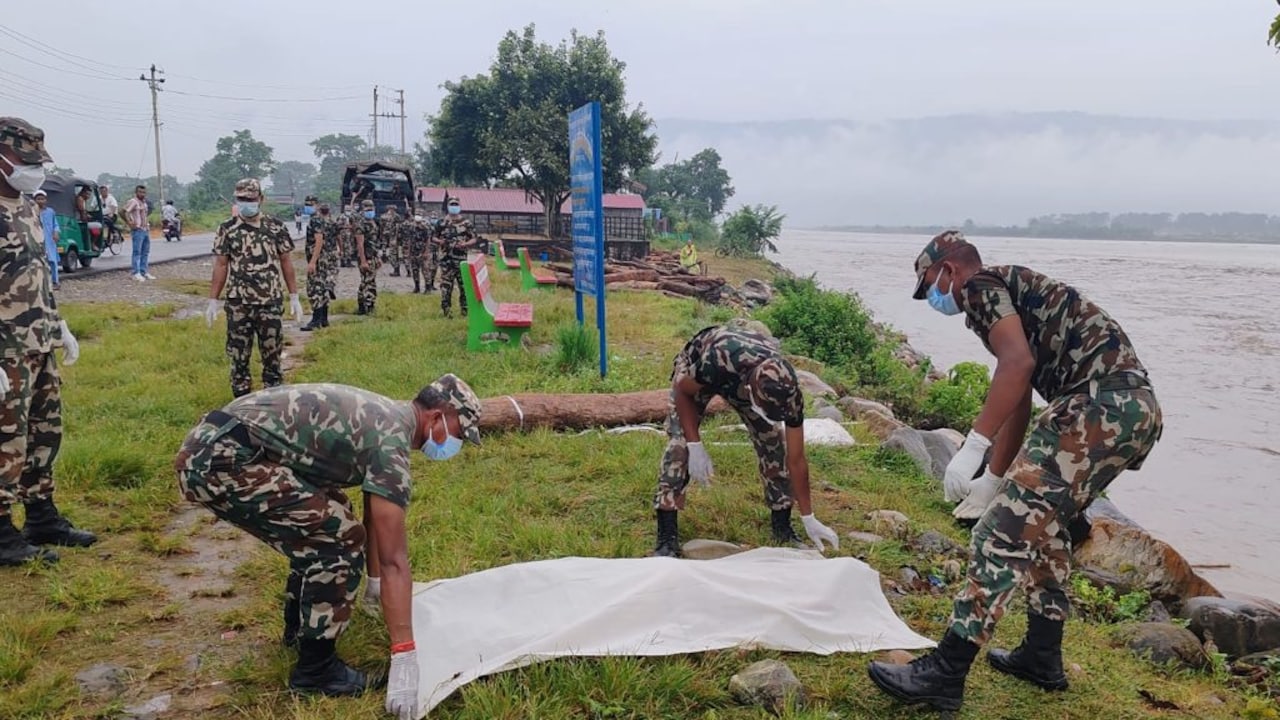
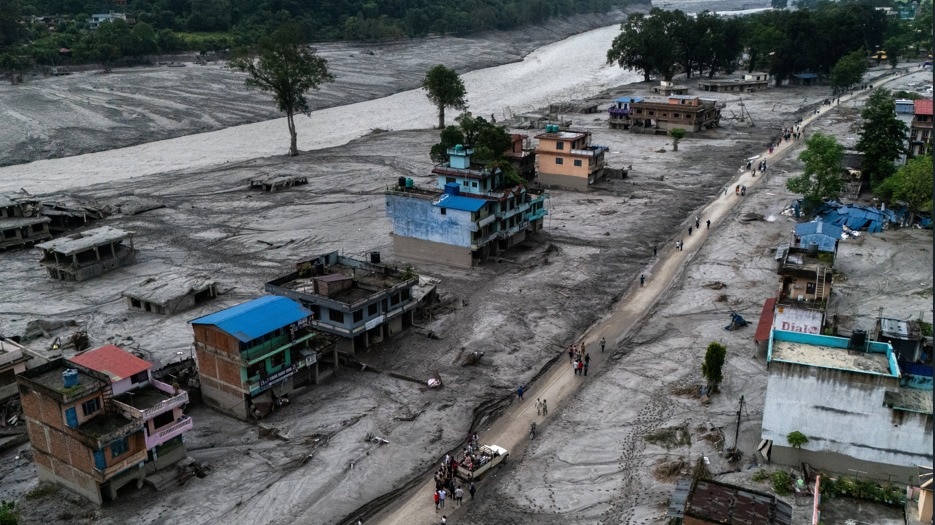
Rescue operations in Nepal have entered a critical phase as teams struggle against relentless mud, debris, and treacherous weather. Following a devastating glacier collapse on Wednesday, torrents of rock, ice, and mud swept through mountain river systems, obliterating buildings, bridges, and vital power stations. As of Saturday, the death toll has climbed to 675, with the search for nearly 3,000 missing persons intensifying.
Worst-Hit Regions and Search Efforts
The catastrophe has left a trail of destruction in Rasuwa, Nuwakot, Dhading, and Chitwan. Search and rescue teams, including the Nepal Army and Armed Police Force, are working tirelessly in the Bhote Koshi and Trishuli river corridors. The terrain, characterized by destroyed roads and heavy siltation, has made access to remote areas extremely difficult. Authorities remain on high alert as water levels in the Sunkoshi and Bhote Koshi rivers continue to fluctuate.
Why This Matters
BozokMedia analysis shows that the scale of this disaster highlights the extreme vulnerability of Himalayan infrastructure to sudden geological shifts. The destruction of the Upper Trishuli-1 Hydropower Project tunnels, where over 100 workers are believed to be trapped, underscores the high stakes of rescue operations in high-altitude, high-risk zones.
The intersection of melting glaciers and crumbling infrastructure creates a deadly cocktail for mountain communities.
India's Massive Relief Operation: India has emerged as a key partner in the rescue efforts. External Affairs Minister S. Jaishankar confirmed that India has airlifted 68.5 tonnes of relief material to Kathmandu via IAF C-130 aircraft. This assistance includes forensic experts, DNA-analysis equipment, medical supplies, and specialized technical teams for tunnel rescue. Additionally, 16 trucks carrying components for a 230-foot modular steel bridge have already reached the disaster zone.
Global and Technological Response
While Chinese tunnel experts have been deployed to assist in complex rescue operations, tech giant Starlink has offered to deploy satellite internet kits to restore communication in areas where cellular networks have been decimated. Nepal's Finance Minister, Swarnim Wagle, has provided a preliminary estimate of $4 billion to $5 billion for infrastructure reconstruction.
Frequently Asked Questions
Question 1: How many people are currently missing in Nepal?
Answer: Official figures state that nearly 3,000 people, including over 275 Indians, remain missing.
Question 2: What kind of assistance is India providing?
Answer: India is providing 68.5 tonnes of relief material, technical rescue teams, medical supplies, and modular bridge equipment.