As Nepal reels from tsunami-like floods, 675 bodies have been recovered. Authorities are preparing to bury unidentified victims while implementing protocols for future identification.
- At least 675 bodies have been recovered following the devastating floods in Nepal.
- Chitwan district, bordering India, is the hardest-hit area with the highest body count.
- A protocol has been established to bury unidentified victims while preserving data for future identification.
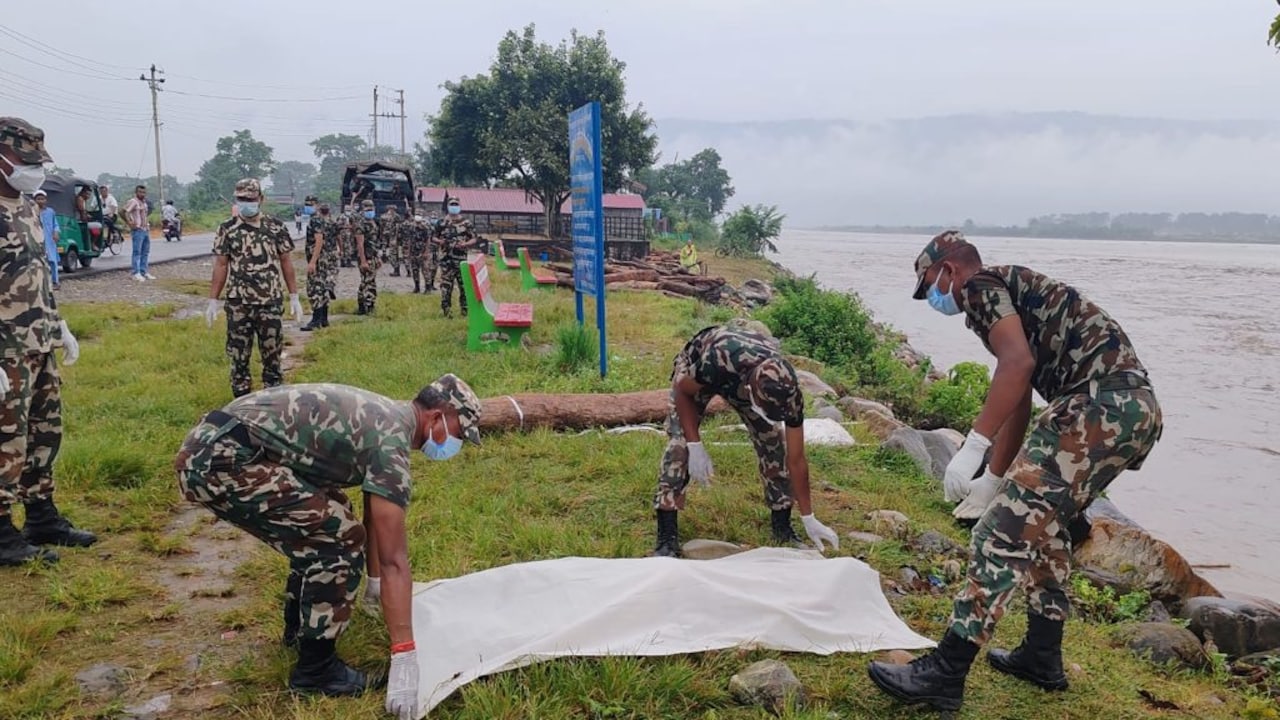
Nepal is facing an unprecedented humanitarian crisis following the tsunami-like surge of water and mud that struck the nation on Wednesday morning. The sheer force of the floodwaters has caused widespread destruction, leaving a trail of devastation across multiple districts. As of the latest reports, rescue teams have recovered at least 675 bodies.
The Chitwan district, a critical region bordering India, has emerged as the epicenter of this tragedy. Due to its geographical location and proximity to major river systems, Chitwan has recorded the highest number of casualties. The recovery process in this region is extremely difficult due to the thick layers of mud and debris left behind by the surge.
Identification and Burial Protocols
A significant challenge facing the government is the large number of unidentified deceased. In a move to manage the rising number of casualties, authorities have decided to proceed with the burial of unidentified victims. However, to ensure that families can eventually find closure, a rigorous documentation process is being implemented. This includes forensic recording to allow for DNA testing and other identification methods at a later stage.
The balance between immediate sanitary necessity and the long-term need for victim identification is the core challenge for Nepali authorities.
Why This Matters
BozokMedia analysis shows that this catastrophe highlights the extreme vulnerability of Nepal's riverine communities to climate-induced flash floods. The scale of the death toll underscores the urgent need for improved early warning systems and more robust disaster response infrastructure in border regions like Chitwan.
Historical Background
Nepal's topography makes it highly susceptible to flash floods and landslides during the monsoon season. Over the years, changing weather patterns and glacial melt have increased the frequency of these 'tsunami-like' water surges, making disaster preparedness a matter of national survival.
Frequently Asked Questions
Question 1: How many bodies have been recovered so far?
Answer: Official reports confirm that at least 675 bodies have been recovered since the flood hit.
Question 2: How will the unidentified victims be recognized later?
Answer: Authorities are maintaining detailed records and forensic data to facilitate future identification through DNA or other means.