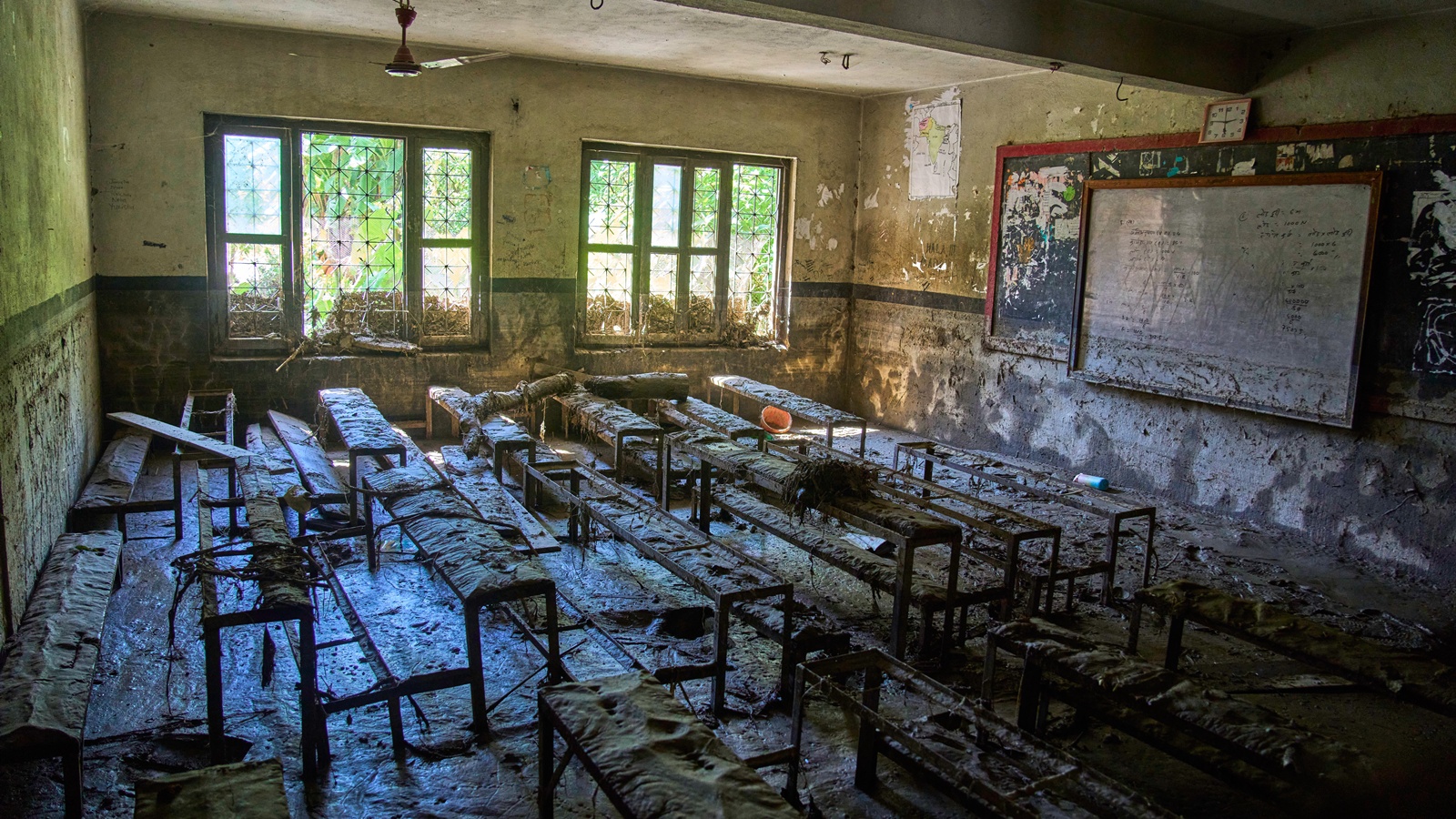
Devastating flash floods and landslides in Nepal have claimed nearly 788 lives, with rescue teams struggling to reach trapped workers buried under debris.
- The death toll from recent flash floods has reached 788.
- Massive destruction reported across the Nepal-China border regions.
- Rescuers are using heavy drilling equipment to reach trapped tunnel workers.
- Alerts issued in Indian states like Uttar Pradesh due to rising river levels.
The Himalayan nation of Nepal is grappling with a catastrophic humanitarian crisis as flash floods and landslides sweep through its rugged terrain. According to the latest reports, the death toll has surged to 788, with expectations that it may soon surpass the 800 mark. The scale of destruction across the region has left thousands displaced and families searching desperately for missing kin.
One of the most critical rescue operations is currently underway to save tunnel workers trapped beneath massive layers of debris. Rescuers are employing specialized drilling equipment to navigate through the unstable earth, a task made perilous by continuous rainfall and the threat of further landslides. The humanitarian toll is mounting as families travel to disaster zones in a desperate attempt to locate loved ones.
Why This Matters
BozokMedia analysis shows that the increasing frequency of extreme weather events in the Himalayan belt is a direct consequence of shifting climatic patterns. This disaster highlights the extreme vulnerability of mountain communities to sudden-onset hydro-meteorological hazards.
The intensification of monsoon patterns in the Himalayas is creating a deadly cycle of flash floods that current infrastructure is ill-equipped to handle.
The impact of these floods is also transcending national borders. As rivers like the Narayani-Gandak swell to dangerous levels, authorities in India have issued high alerts for villages in Uttar Pradesh. The interconnected river systems mean that heavy rainfall in Nepal poses an immediate flooding threat to the Indo-Nepal plains.
Historical Background
Nepal's topography makes it inherently susceptible to geological and hydrological disasters. Historically, the region has faced numerous landslides and floods, but the intensity of these events has escalated in recent years. The combination of rapid urbanization, deforestation, and the melting of Himalayan glaciers has significantly heightened the risk profile of the entire South Asian region.
Frequently Asked Questions
Question 1: What is the current casualty count in Nepal?
Answer: As of the latest reports, 788 people have been confirmed dead.
Question 2: Is India affected by the Nepal floods?
Answer: Yes, the rising water levels in Nepal's rivers have triggered flood alerts in several districts of Uttar Pradesh, India.