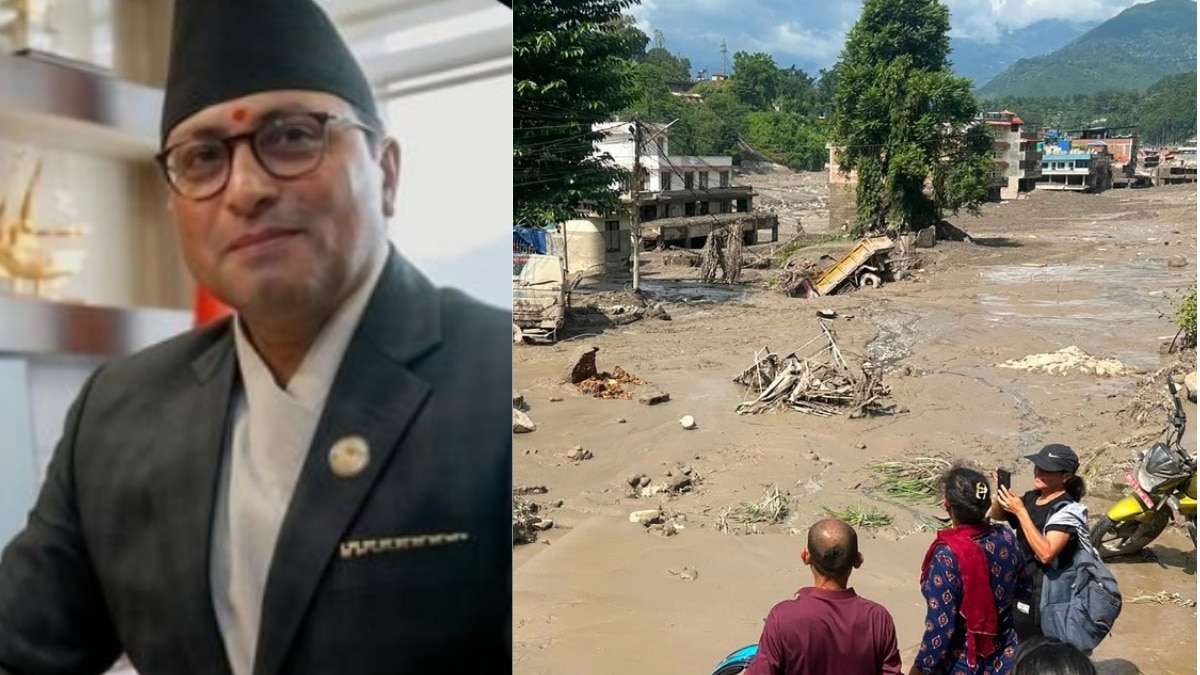
A catastrophic flash flood in Nepal has claimed 675 lives, leaving thousands missing. India has responded to the crisis by sending a specialized tunnel rescue team to assist.
- The death toll from Nepal's flash floods has reached 675.
- Approximately 2,400 people remain missing, including 320 foreign nationals.
- India has dispatched a specialized tunnel rescue team to aid operations.
- High alert remains in the Bhotekoshi River basin due to rising water levels.
The devastating impact of flash floods in Nepal has escalated into a massive humanitarian crisis. As of Saturday, August 29, 2026, the official death toll has surged to 675. Search and rescue operations are being conducted under extreme conditions, hampered by continuous rainfall and the surging levels of major river systems.
The situation is particularly dire in the Bhotekoshi River basin, where the threat of further flooding looms large. Rescuers are battling against time to reach isolated settlements that have been severed from the rest of the country due to the destruction of critical infrastructure, including roads and bridges. While over 4,400 individuals have been successfully evacuated, the scale of the disappearance remains staggering.
Why This Matters
BozokMedia analysis shows that this disaster serves as a grim reminder of the escalating climate crisis in the Himalayan region. Nepal’s Foreign Minister and the UN climate chief have both underscored that global warming is fundamentally altering the Himalayan landscape, making extreme weather events like these more frequent and more lethal.
The government's priority is to save the life of every single citizen, and we stand firmly with the flood-affected people.
In a significant diplomatic and humanitarian gesture, India has stepped in to assist its neighbor. The Indian government has deployed a specialized tunnel rescue team to navigate the complex and dangerous terrains of Nepal, aiming to reach those trapped in remote or collapsed structures.
Historical Background
The Himalayan geography, while breathtaking, is inherently prone to geological instability. Historically, the region has faced seasonal flooding, but the recent trend of 'flash floods'—characterized by sudden, high-velocity water surges—is increasingly linked to melting glaciers and erratic monsoon patterns caused by global environmental shifts.
Frequently Asked Questions
Question 1: How many people are currently missing in Nepal?
Answer: Approximately 2,400 people are reported missing, including at least 320 foreign nationals.
Question 2: What specific aid has India provided?
Answer: India has sent a specialized tunnel rescue team to assist in the complex search and rescue operations across Nepal.