Following devastating flash floods near the Nepal-Tibet border, over 275 Indians remain missing. The Indian government has deployed forensic experts, technical teams, and military aircraft to bolster rescue efforts.
- More than 275 Indian nationals are currently missing following flash floods on the Nepal-Tibet border.
- India has dispatched 68.5 tonnes of relief material, including a fourth tranche via IAF C-130J aircraft.
- Forensic teams with DNA analysis equipment have been sent to assist in identifying victims.
- The death toll in Nepal has risen to 675 according to local authorities.
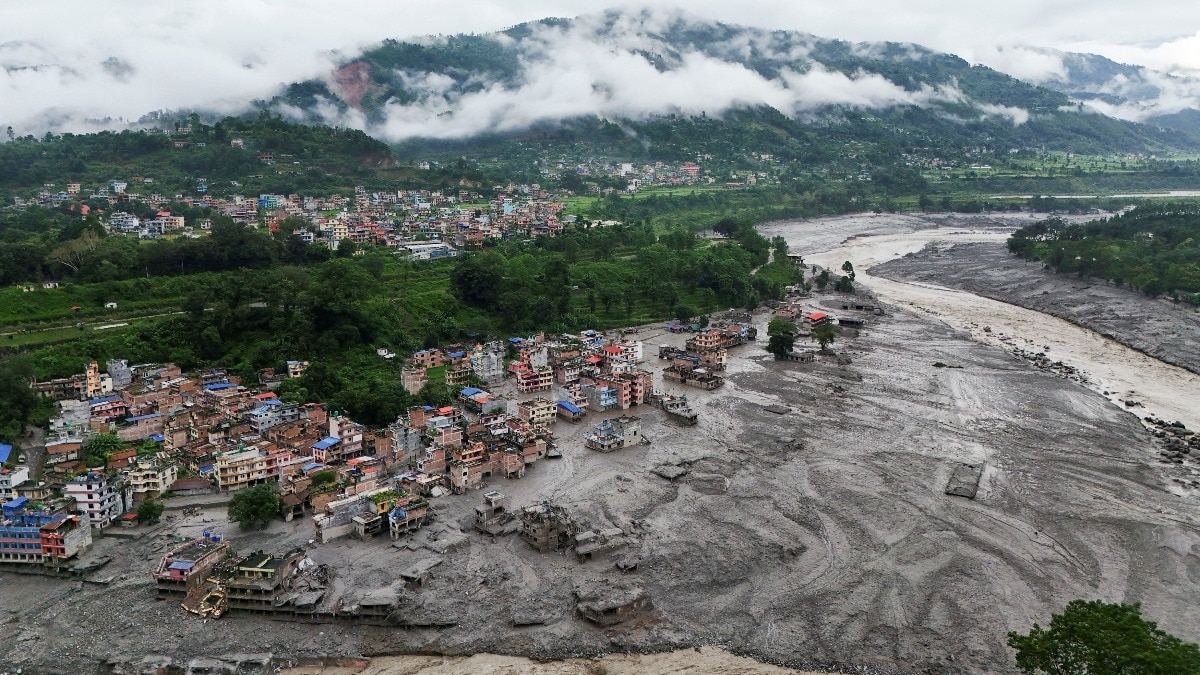
A massive humanitarian crisis is unfolding along the Nepal-Tibet border as devastating flash floods continue to claim lives. The Ministry of External Affairs (MEA) confirmed on Saturday that more than 275 Indian nationals remain missing, while 108 individuals have been successfully rescued. The scale of the disaster is immense, with Nepali authorities reporting a rising death toll that has now reached 675.
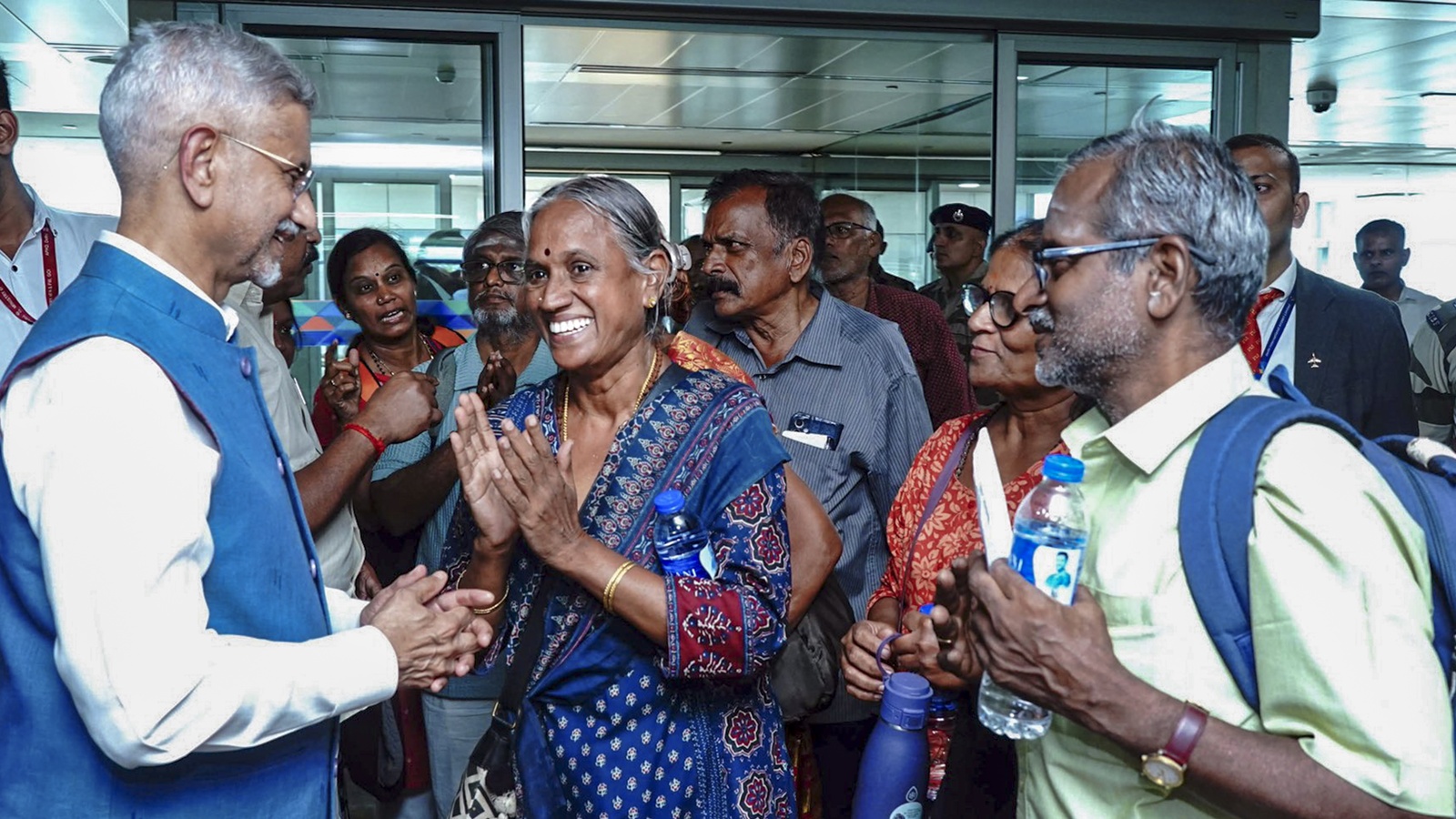
In a swift response, the Government of India has ramped up its rescue and relief operations. External Affairs Minister S. Jaishankar announced that an Indian Air Force C-130J military transport aircraft delivered an 11-tonne tranche of relief supplies late Friday night. Crucially, this shipment includes not just essential supplies, but also a specialized contingent of forensic experts equipped with advanced DNA analysis tools to help identify the mortal remains of those lost in the floods.
Why This Matters
BozokMedia analysis shows that the complexity of this rescue operation lies in its trans-border nature. With Indian nationals affected on both the Nepali and Chinese sides, India's ability to coordinate with multiple international stakeholders is vital. The deployment of specialized tunnel reconnaissance teams and modular steel bridges highlights the strategic depth of India's humanitarian assistance in the Himalayan region.
The integration of forensic expertise and military-grade logistics marks a significant escalation in India's disaster response capabilities for trans-border crises.
Beyond immediate relief, India is focusing on infrastructure restoration. Sixteen trucks carrying components for a 230-foot Single Lane Modular Steel Bridge have already reached Nepal, with more Bailey bridges expected soon. To ensure the safety of those returning from the Kailash Manasarovar Yatra, the Indian embassies in Kathmandu and Beijing have established round-the-clock control rooms and dedicated helplines.
Historical Background
The Himalayan corridor is increasingly susceptible to extreme weather events. Flash floods in this region are often triggered by sudden cloudbursts, which can turn mountain streams into raging torrents within minutes, making traditional rescue operations extremely difficult and dangerous for both locals and travelers.
Frequently Asked Questions
1. How many Indians have been rescued so far?
As of the latest update, 108 Indian nationals have been rescued, and contact has been re-established with approximately 50 others.
2. What kind of technical aid is India providing?
India is providing modular steel bridges, tunnel reconnaissance teams, and forensic experts for DNA-based identification.